
Last updated on August 25th, 2026 at 12:07 pm
The engine control module in the 1996 Toyota Camry manages fuel delivery and ignition timing for the 3.0L V6. When this computer fails, it often causes starting difficulties, erratic idling, or sudden stalling, disrupting the normal operation of your vehicle.
Encountering sudden drivability issues with your 1996 Toyota Camry can be incredibly frustrating, especially when the engine stalls without warning or refuses to start altogether. You might find yourself tracing vacuum lines or checking ignition components, only to discover the root cause lies within the engine control module. This critical computer acts as the brain of your 3.0L V6, dictating precisely how the fuel and ignition systems operate together. When it begins to malfunction, the symptoms often mimic other mechanical failures, leading to misdiagnosis and wasted time. Understanding how this module interacts with your vehicle saves both time and money. You gain the ability to pinpoint whether the computer is truly at fault or if external sensors are feeding it incorrect data. Replacing a faulty unit restores the proper calibration your engine relies on for smooth acceleration and efficient combustion. Rather than guessing at the problem, learning the specific functions, common failure points, and replacement procedures for your Camry empowers you to make confident repair decisions and get your sedan back on the road reliably.
In the 1996 Toyota Camry, the engine control module serves as the central processing unit for the entire fuel injection and emission control network. It constantly gathers data from various sensors monitoring throttle position, coolant temperature, and oxygen content in the exhaust stream. Using this real-time information, the computer calculates the exact duration for fuel injector pulses and adjusts the ignition timing to maintain optimal performance across different driving conditions. The module also oversees the idle air control system, ensuring the engine maintains a steady rhythm during stops and smooth transitions when accelerating. When you need to resolve internal circuit failures, sourcing 1996 Toyota Camry ECM replacements becomes essential for restoring factory drivability. The 3.0L V6 engine relies heavily on these precise calculations to balance power output with fuel efficiency and emissions compliance. Without a functioning module, the engine may run excessively rich or lean, causing catalytic converter damage over time and leading to poor fuel economy. The computer actively safeguards the engine by interrupting fuel delivery during deceleration, a strategy outlined in factory service bulletins to protect internal components. Because the module permanently stores the specific calibration for your vehicle configuration, a defective unit completely disrupts the coordination between mechanical components and electronic sensors. Replacing it requires matching the exact hardware to ensure all output drivers align correctly with the wiring harness, allowing the 3.0L engine to resume its intended operating parameters and deliver the reliable performance expected from this sedan.
1996 Toyota Camry 3.0L
OEM programmed ECM for your 1996 Toyota Camry 3.0L — plug & play, no dealer visit.
Free shipping · Lifetime warranty
Replacing the engine control module on the 1996 Toyota Camry involves a straightforward physical swap that the factory labor guide allocates 1.0 hours for on the 3.0L engine. This time accounts for disconnecting the battery, carefully unlatching the multi-pin wiring connectors, and unbolting the computer from its mounting bracket. The 2.2L engine variant shares an identical 1.0 hour replacement time, indicating a consistent access procedure across both configurations. After securing the replacement unit and reconnecting the harness, additional calibration time is necessary. The powertrain control module relearn procedure requires 0.5 hours of labor to complete. Furthermore, the engine control module relearn adds another 0.5 hours of labor. These designated times ensure that technicians have adequate opportunity to execute the required idle and fuel adaptation steps following the hardware installation.
| Operation | Configuration | Book Time |
|---|---|---|
| Powertrain Control Module R&R | All configurations | 1.0 hr |
| Powertrain Control Module Relearn | All configurations | 0.5 hr |
| Engine Control Module Relearn | All configurations | 0.5 hr |
| Engine Control Module R&R | 2.2L | 1.0 hr |
| Engine Control Module R&R | 3.0L | 1.0 hr |
Following the installation of a new engine control module, the factory procedure mandates specific relearn operations to ensure the 1996 Toyota Camry runs correctly. The powertrain control module relearn requires 0.5 hours of labor, allowing the computer to recalibrate idle parameters and fuel trims based on live sensor feedback. Additionally, the engine control module relearn takes another 0.5 hours of labor to synchronize the immobilizer communication and clear outdated adaptive memory. When you install a VIN-programmed replacement unit from Flagship One, these extensive calibration steps are already completed before shipment. The unit arrives flashed specifically for your vehicle identification number, meaning the idle adaptation and fuel trim synchronization are pre-loaded directly into the hardware. This preparation eliminates the need for the dealership relearn procedures, saving you the full hour of diagnostic labor that would otherwise be required to teach the new module how to manage the 3.0L V6. You simply install the hardware, connect the battery, and turn the key to experience restored performance.
When the engine control module begins to fail in the 1996 Toyota Camry, several distinct drivability symptoms often emerge that disrupt your daily commute. The most common complaint is a sudden no-start condition, where the engine cranks normally but refuses to fire due to a complete lack of injector pulse or spark output from the computer. Intermittent stalling is another frequent indicator, occurring unexpectedly while idling at a traffic light or coasting to a stop. You might also notice severe hesitation or stumbling during acceleration, as the computer struggles to calculate the correct fuel mixture for the 3.0L V6 under load. Misfire codes frequently accompany these drivability concerns, triggered by cylinders dropping out when the module fails to trigger the ignition coils consistently. In some cases, the check engine light may illuminate, and a diagnostic scan tool might reveal internal processor fault codes pointing directly to the computer itself. However, a completely failed module may prevent the scan tool from communicating with the vehicle entirely, leaving you unable to read any diagnostic data or clear existing faults. Erratic shifting or harsh engagement can also occur if the unit manages transmission logic alongside engine parameters. Fuel economy often drops significantly, as the computer defaults to a rich condition to protect the engine from lean damage. Recognizing these specific patterns helps distinguish a failing computer from simple sensor malfunctions, guiding your diagnostic process effectively.
Toyota issued technical service bulletin EG009-97 addressing specific calibration concerns for the engine control module. This bulletin applies directly to the 1996 Camry and the 1996-1997 Celica equipped with the 5S-FE engine. The document outlines modifications to the TAU fuel cut logic within the computer, which alters how the engine manages fuel delivery during deceleration. When the original programming causes undesirable fuel cut behavior, updating the module with the revised calibration resolves the hesitation and ensures smoother transitions when returning to the throttle. This calibration update prevents unexpected engine braking sensations and improves the overall drivability of the vehicle under varying load conditions.
| Bulletin | Subject | What It Addresses |
|---|---|---|
| EG009-97 | :EG009-97: 96 Camry & 96-97 Celica 5S-FE ECM TAU Fuel Cut Logic Changed | — |
The factory labor guide allocates 1.0 hours to physically remove and install the engine control module on the 3.0L V6. An additional 0.5 hours is required for the powertrain control module relearn, and another 0.5 hours for the engine control module relearn procedure.
Yes, the factory procedure requires a relearn process to synchronize the idle parameters and fuel trims. However, a pre-programmed unit from Flagship One arrives already flashed to your vehicle identification number, eliminating the need for these dealership steps.
This bulletin addresses a change in the TAU fuel cut logic for the 5S-FE engine computer found in the 1996 Camry and 1996-1997 Celica. The updated calibration improves how the engine manages fuel delivery during deceleration.
Common symptoms include a no-start condition where the engine cranks without starting, unexpected stalling at idle, and severe hesitation during acceleration. You may also experience an inability to communicate with a scan tool or persistent misfire codes.
No, the factory labor time for both the 3.0L and the 2.2L engine control module removal and installation is exactly 1.0 hours. The physical access and mounting configuration share a similar layout across both engine options.
Choosing between repairing a faulty original unit and installing a refurbished replacement depends on the specific damage to your 1996 Toyota Camry module. While some internal board failures can be soldered, a fully remanufactured unit guarantees all updated calibrations, including the TAU fuel cut logic from bulletin EG009-97, are intact. This provides a reliable long-term solution for your 3.0L V6.
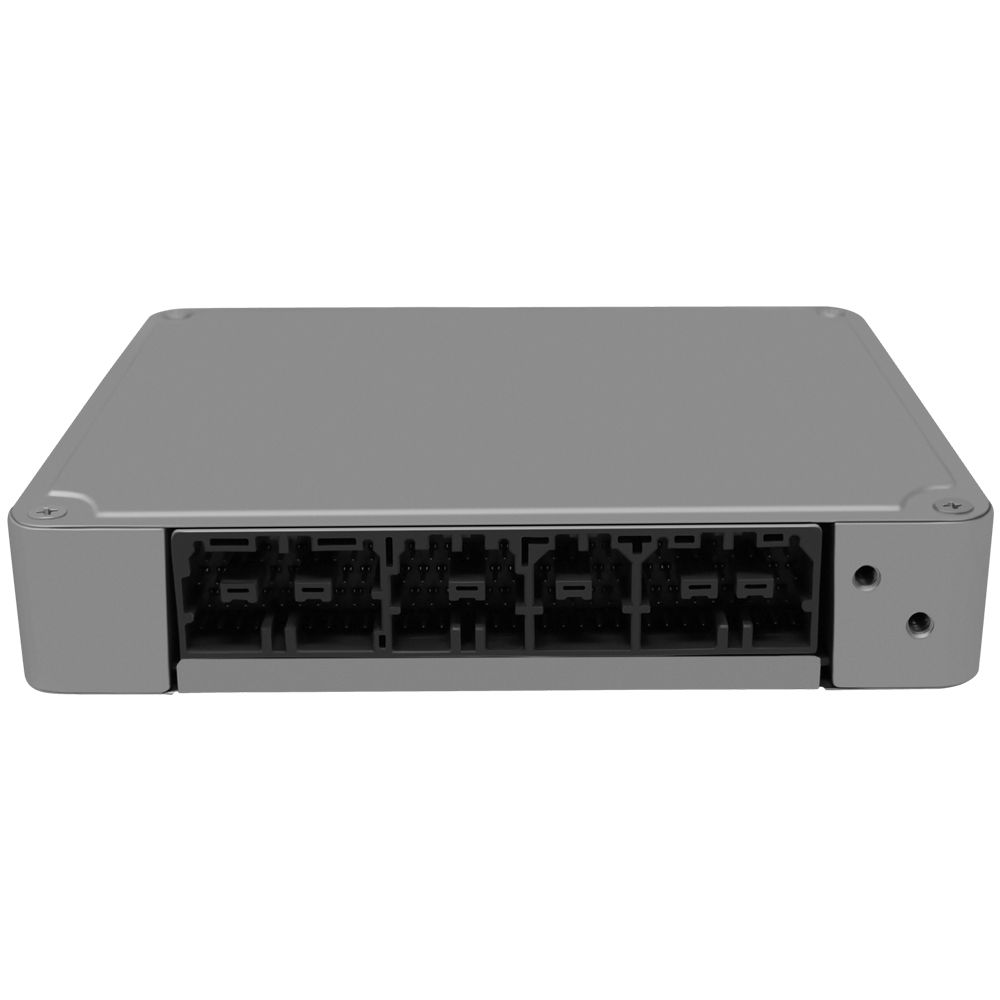
Flagship One stocks a refurbished, VIN-programmed PCM for the 1996 Toyota Camry with a lifetime warranty, free shipping and no core charge. The full Toyota Camry module lineup covers other engine configurations as well.
Dealing with engine computer issues in your 1996 Toyota Camry requires accurate diagnostics and precise replacement procedures to avoid recurring drivability problems. Understanding the specific relearn requirements and relevant service bulletins ensures your 3.0L V6 receives the correct calibration for smooth operation. When you are ready to restore reliable performance and eliminate stalling concerns, exploring pre-programmed replacement options simplifies the entire repair process and gets your sedan back on the road.