
Last updated on August 25th, 2026 at 12:30 pm
The powertrain control module (PCM) in the 1999 Pontiac Grand Am manages fuel injection, ignition timing, and transmission shifts. Failures may cause stalling, erratic idle, or diagnostic trouble codes related to internal memory or calibration errors.
If your 1999 Pontiac Grand Am is experiencing rough idle, stalling, or transmission shifting problems, the powertrain control module (PCM) may be at fault. This critical component oversees fuel delivery, ignition timing, and transmission behavior. When it fails, symptoms can range from subtle performance issues to complete no-start conditions. Understanding the PCM’s role, location, and replacement process helps you make informed decisions about repairs. You’ll also learn how to prevent damage and recognize common failure signs before they leave you stranded.
The powertrain control module (PCM) in your 1999 Pontiac Grand Am acts as the brain of the engine and transmission systems. It continuously adjusts fuel injection, ignition timing, and shift points based on sensor inputs. A faulty PCM may cause poor drivability, reduced fuel economy, or even prevent the vehicle from starting. Since this module integrates engine and transmission control, failures often trigger symptoms in both systems. If replacement becomes necessary, replacement powertrain control modules for the Grand Am are available to restore proper function without extensive reprogramming hassles.
1999 Pontiac Grand Am
OEM programmed replacements — plug & play, no dealer visit.
Find yours by year, make & model →
Free shipping · Lifetime warranty
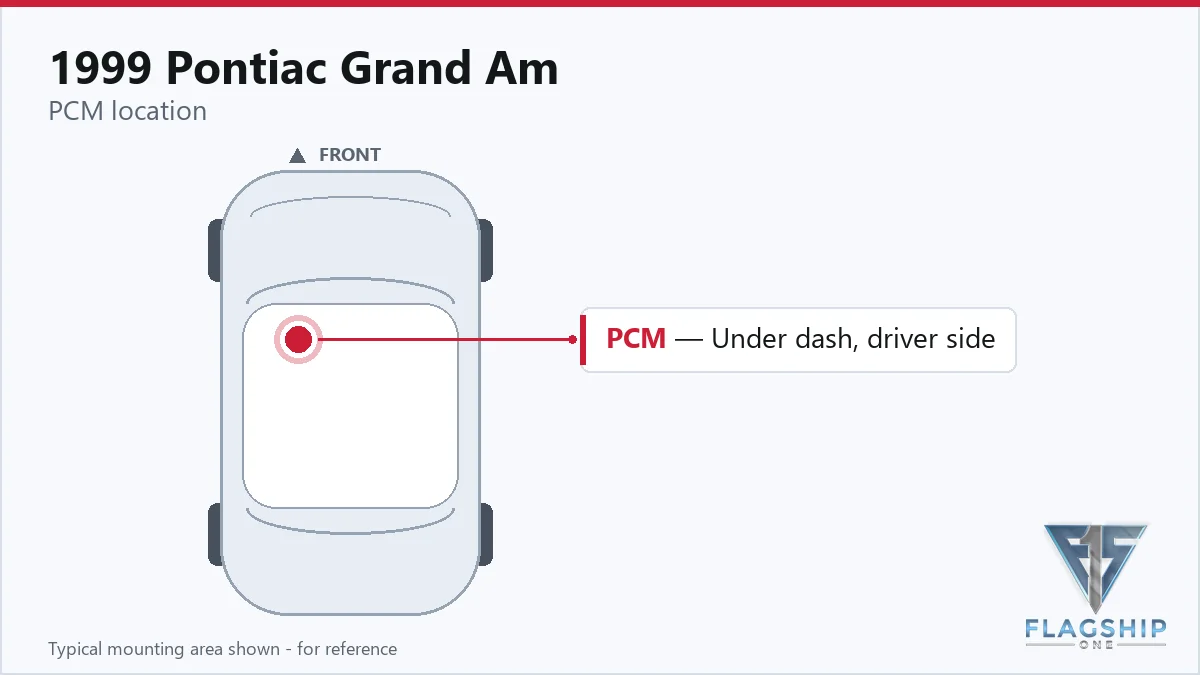
The PCM in the 1999 Pontiac Grand Am is mounted under the instrument panel, requiring removal of interior trim panels for access. Replacement involves disconnecting the battery, unplugging the wiring harness, and removing the module’s mounting bolts. Labor time for PCM removal and reinstallation is typically 0.9 hours. After installation, a relearn procedure of 0.5 hours is often required to recalibrate idle control and other adaptive functions. Always handle the module by its edges to avoid damaging sensitive electronic components.
| Operation | Configuration | Book Time |
|---|---|---|
| Engine Control Module R&R | All configurations | 0.9 hr |
| Engine Control Module Relearn | All configurations | 0.5 hr |
| Powertrain Control Module Relearn | All configurations | 0.5 hr |
| Powertrain Control Module R&R | All configurations | 0.9 hr |
After replacing the PCM in your 1999 Pontiac Grand Am, the factory requires a relearn procedure to synchronize the module with the vehicle’s systems. This typically takes 0.5 hours and may involve partially depressing the accelerator pedal during startup to recalibrate idle control. However, a VIN-programmed replacement unit from Flagship One arrives pre-configured for your vehicle, eliminating the need for additional programming steps and reducing downtime.
A failing PCM in the 1999 Pontiac Grand Am may cause a range of symptoms, including stalling, rough idle, or difficulty starting. You might also notice transmission shifting issues, such as delayed or harsh shifts, or a neutral flare when coming to a stop. Diagnostic trouble codes like internal control module memory checksum error often appear, indicating corruption in the module’s memory. In some cases, the vehicle may fail to communicate with a scan tool, making diagnosis more challenging.
The 1999 Pontiac Grand Am’s PCM may set specific internal trouble codes when it experiences faults. These codes help pinpoint issues related to memory, calibration, or communication errors within the module itself.
| Code | Meaning | Full Guide |
|---|---|---|
| P0601 | Internal memory checksum error | Full P0601 guide → |
| P0602 | Control module programming error | Full P0602 guide → |
Factory service bulletins address common PCM-related issues in the 1999 Pontiac Grand Am. Bulletin #99-06-04-053 outlines reprogramming procedures for the PCM to resolve drivability concerns. Bulletin #03-07-30-021 (and its update #03-07-30-021A) targets neutral or RPM flare during deceleration, no 1-2 upshift, and illuminated Service Engine Soon lights, often accompanied by codes P1810 or P1815. Reprogramming the PCM is the recommended solution for these conditions.
| Bulletin | Subject | What It Addresses |
|---|---|---|
| 99-06-04-053 | Info – PCM Reprogramming – (Oct 26, 1999) | — |
| 03-07-30-021 | Neutral Flare and/or RPM Flare While In Drive, No 1-2 Upshift, Service Engine Soon (SES) Light | Some customers may comment on a neutral flare and/or RPM increase while in drive or no 1–2 upshift and/or the Service Engine Soon (SES) telltale may be… |
Disconnecting the battery clears the PCM’s learned memory, including idle control settings. The module may need time to relearn these parameters, which can cause temporary stalling. Partially depressing the accelerator pedal during startup may help speed up the process.
While the vehicle may still run, a P0601 code indicates a memory error in the PCM. Driving with this issue may lead to poor performance or further damage. It’s best to address the code promptly to avoid potential drivability problems.
If your vehicle exhibits symptoms like neutral flare, RPM flare, or shifting issues, reprogramming may be necessary. Factory bulletins often recommend this procedure for specific trouble codes or drivability concerns. A scan tool can confirm if the PCM requires an update.
When the PCM in your 1999 Pontiac Grand Am fails, you have options beyond costly dealer repairs. A replacement module can restore function, but programming compatibility is critical. Flagship One provides units pre-configured for your vehicle, reducing installation time and ensuring proper operation without additional reprogramming steps.
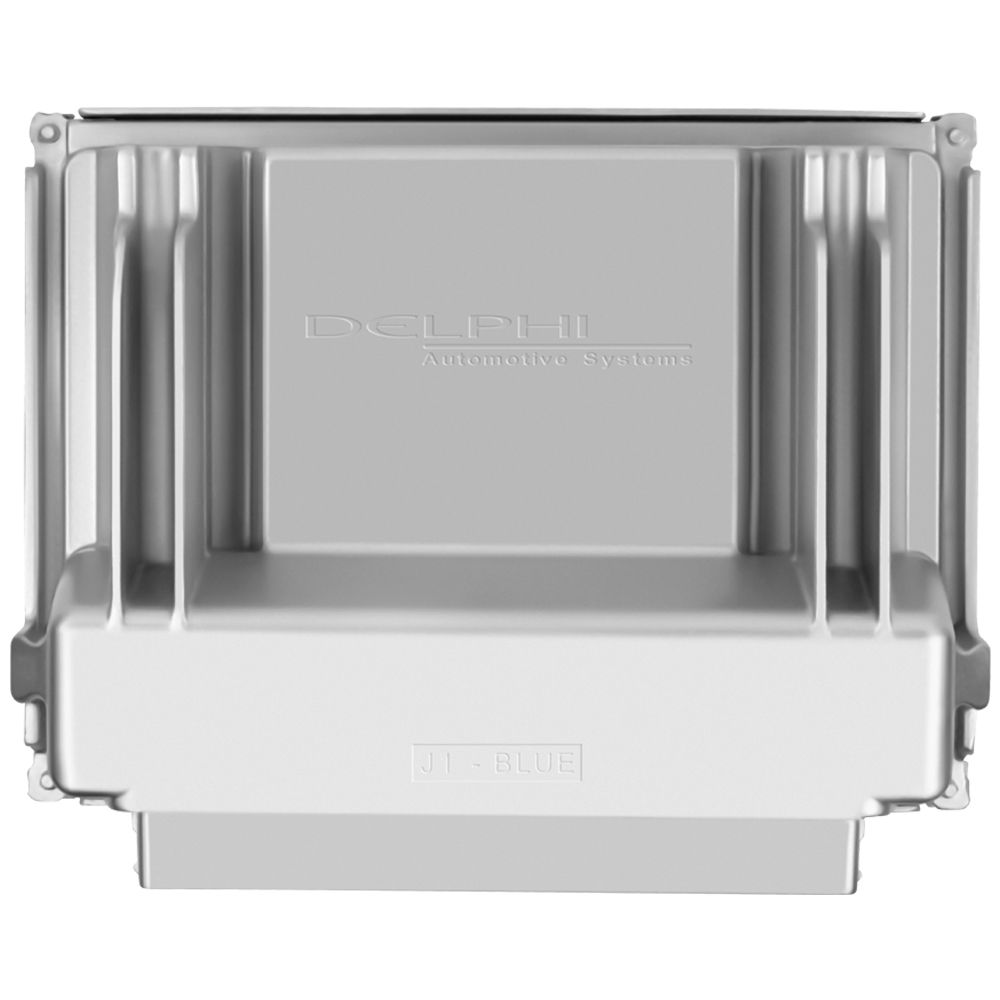
Flagship One stocks a refurbished, VIN-programmed PCM for the 1999 Pontiac Grand Am with a lifetime warranty, free shipping and no core charge. The full Pontiac Grand Am module lineup covers other engine configurations as well.
The 1999 Pontiac Grand Am relies on its PCM to manage engine and transmission performance. Recognizing failure symptoms early and understanding the replacement process can save time and frustration. Whether you opt for a repair or a pre-programmed replacement, addressing PCM issues promptly helps maintain your vehicle’s reliability.