
Last updated on August 25th, 2026 at 12:32 pm
In the 1996 Oldsmobile Bravada, the Powertrain Control Module (PCM) and Engine Control Module (ECM) manage engine timing, fuel delivery, and transmission shift logic. A failure in either unit can lead to loss of power, stalling, or complete no‑start conditions, often accompanied by diagnostic trouble codes.
When a 1996 Oldsmobile Bravada exhibits intermittent power loss, rough idle, or shifting irregularities, the underlying cause often traces back to the vehicle’s electronic control modules. Understanding how the Powertrain Control Module (PCM) and Engine Control Module (ECM) operate in this SUV helps you diagnose problems more accurately and decide whether a repair or a replacement is warranted. This guide walks you through the function of each module, where they sit under the hood or instrument panel, the labor effort typically required for removal and installation, and the factory service bulletin that may apply. You will also learn the symptoms that point to a failing module, what programming steps the factory expects after a new unit is installed, and how Flagship One’s VIN‑programmed replacements simplify the process. By the end, you should feel confident assessing the situation and choosing the right path forward for your vehicle.
1996 Oldsmobile Bravada
OEM programmed ECM for your 1996 Oldsmobile Bravada — plug & play, no dealer visit.
Free shipping · Lifetime warranty
The Powertrain Control Module in the 1996 Oldsmobile Bravada acts as the brain for both engine and transmission, interpreting sensor data to adjust fuel injection, ignition timing, and shift points. The Engine Control Module focuses more narrowly on engine parameters, ensuring optimal combustion and emissions control. Together, they enable the vehicle to meet performance and fuel‑economy targets while maintaining drivability. A malfunction in either unit can disrupt the coordination between engine output and transmission response, leading to drivability issues. The Bravada’s design relies on precise communication between these modules and the vehicle’s sensor network; any loss of data or incorrect output can trigger limp‑mode operation or a complete shutdown. Understanding the role of these computers helps you recognize why a fault may manifest as stalling, erratic shifting, or loss of power. For those seeking replacements, replacement powertrain control modules for the 1996 Oldsmobile Bravada provide a direct fit and retain the original calibration parameters.
The PCM and ECM are accessible from two primary points in the 1996 Oldsmobile Bravada. Under the hood, the PCM can be removed in approximately 0.8 hours, while the ECM requires about 0.9 hours of labor. When the modules are located behind the instrument panel, removal times increase to 1.6 hours for the PCM and 1.8 hours for the ECM, reflecting the additional disassembly needed to reach the connectors. The process typically involves disconnecting the battery, unplugging wiring harnesses, and unbolting the mounting brackets. No torque specifications are provided in the source data, so standard OEM fastener practices apply. After the old unit is withdrawn, the replacement is positioned, bolted, and the electrical connectors are re‑engaged before reconnecting the battery.
| Operation | Configuration | Book Time |
|---|---|---|
| Powertrain Control Module Relearn | All configurations | 0.5 hr |
| Powertrain Control Module R&R | Under Hood | 0.8 hr |
| Powertrain Control Module R&R | Under Inst. Panel | 1.6 hr |
| Engine Control Module R&R | Under Hood | 0.9 hr |
| Engine Control Module R&R | Under Inst. Panel | 1.8 hr |
Factory service procedures for the 1996 Oldsmobile Bravada require a PCM reprogramming step after any replacement, as outlined in service bulletin #99-06-04-053. This reprogramming ensures that the new module matches the vehicle’s calibration and emissions settings. Flagship One units arrive pre‑loaded with the correct VIN‑specific data, so the reprogramming step is already completed. When you install a Flagship One replacement, you benefit from a VIN‑programmed replacement unit that eliminates the need for dealer‑only reflash equipment and reduces shop time.
A failing PCM or ECM in a 1996 Oldsmobile Bravada often reveals itself through a collection of tell‑tale signs. You may notice the engine refusing to start, or it may start and then stall shortly after ignition. Rough idle, hesitation during acceleration, and unexpected loss of power are common. Transmission-related symptoms include hard shifts, delayed engagement, or the vehicle slipping into limp mode where only one gear is available. Diagnostic trouble codes will typically appear on a scan tool, indicating communication loss or sensor mismatches. In many cases, the scan tool may be unable to establish a link with the control module, resulting in a dead‑screen error. These symptoms together point to a likely issue with the Bravada’s electronic control hardware.
Service bulletin #99-06-04-053, dated Oct 26, 1999, provides information on PCM reprogramming for the 1996 Oldsmobile Bravada. The bulletin outlines the reflash procedure required after module replacement to ensure proper calibration.
| Bulletin | Subject | What It Addresses |
|---|---|---|
| 99-06-04-053 | Info – PCM Reprogramming – (Oct 26, 1999) | — |
When the PCM or ECM in your 1996 Oldsmobile Bravada shows signs of failure, you can choose a professional repair or install a refurbished replacement. A refurbished unit from Flagship One offers a cost‑effective solution that matches the original specifications and arrives VIN‑programmed, reducing shop time. Weigh the condition of the existing module against the benefits of a fresh, pre‑calibrated replacement to decide the best path for your vehicle.
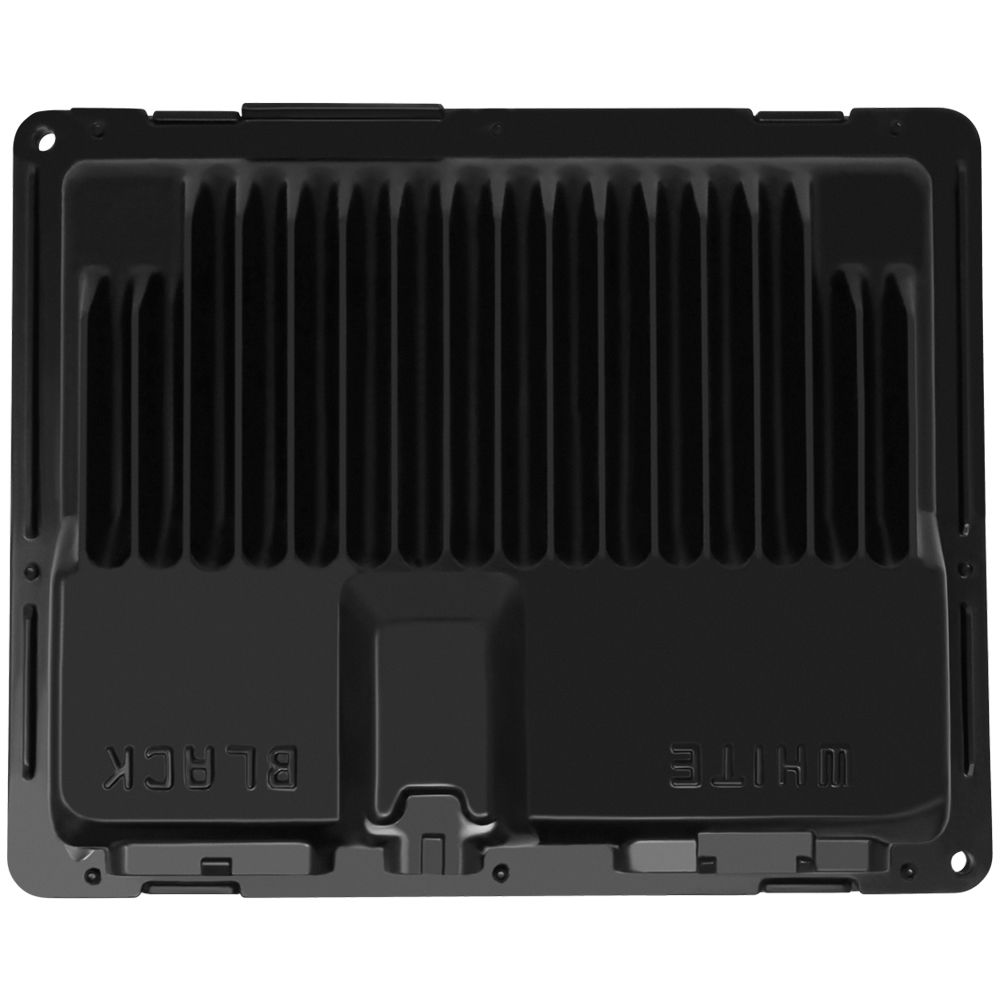
Flagship One stocks a refurbished, VIN-programmed PCM for the 1996 Oldsmobile Bravada with a lifetime warranty, free shipping and no core charge. The full Oldsmobile Bravada module lineup covers other engine configurations as well.
The 1996 Oldsmobile Bravada relies on its PCM and ECM to keep the engine and transmission in sync. Recognizing the symptoms early and understanding the repair process can help you maintain reliability. Whether you opt for a repair or a Flagship One replacement, you’ll keep your Bravada performing as intended.