
Last updated on August 25th, 2026 at 12:32 pm
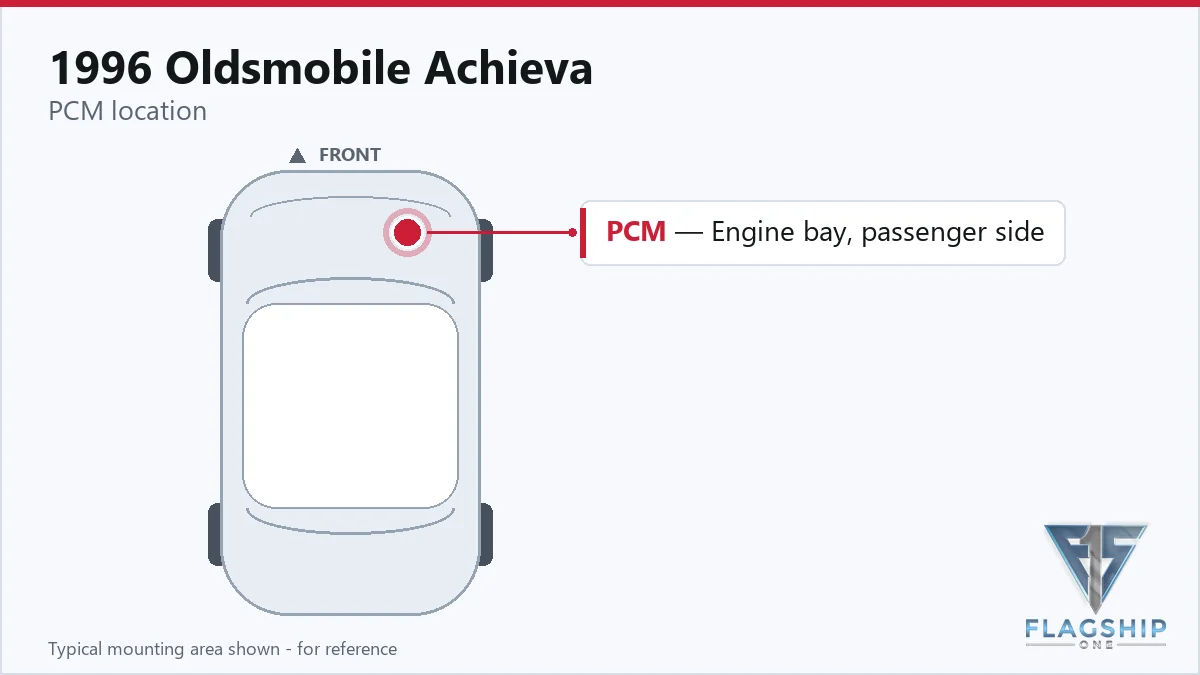
The Powertrain Control Module (PCM) in the 1996 Oldsmobile Achieva 3.1L is the main computer that manages engine and transmission operation. It is located underhood near the right strut tower. Failure often results from electrical issues or internal faults, leading to drivability problems and diagnostic trouble codes like P0601.
If you own a 1996 Oldsmobile Achieva with the 3.1L engine and suspect the Powertrain Control Module (PCM) is failing, you are likely dealing with symptoms like no-start, stalling, or a check engine light. The PCM is the central computer that controls engine and transmission functions. This guide explains what the PCM does, where it is located, what replacement involves, and how to avoid common pitfalls. You will learn about factory cautions regarding electrostatic discharge and add-on electrical equipment, as well as the post-installation programming requirements. Understanding these details helps you make an informed decision about repair or replacement.
The Powertrain Control Module (PCM) in the 1996 Oldsmobile Achieva 3.1L is the primary computer that manages fuel injection, ignition timing, transmission shifting, and emissions controls. It receives input from sensors throughout the engine and drivetrain and adjusts outputs accordingly. A failing PCM can cause erratic behavior, poor fuel economy, or a no-start condition. When the PCM fails internally, it may store a module-internal trouble code such as P0601. For a reliable fix, many owners turn to replacement PCMs for the Achieva that are pre-programmed to match the vehicle’s original calibration, eliminating the need for a dealer visit.
1996 Oldsmobile Achieva 3.1L
OEM programmed ECM for your 1996 Oldsmobile Achieva 3.1L — plug & play, no dealer visit.
Free shipping · Lifetime warranty
The PCM on the 1996 Oldsmobile Achieva 3.1L is located underhood in front of the right strut tower, near the engine coolant reservoir. Replacing the module involves disconnecting the battery, removing the electrical connectors, unbolting the PCM, and installing the new unit. According to factory labor times, the PCM removal and replacement (R&R) is rated at 1.1 hours. After installation, a PCM relearn procedure is required, which adds 0.5 hours of book time. The factory also provides a separate labor time of 1.1 hours for Engine Control Module (ECM) R&R, though the Achieva uses a combined PCM. Care must be taken to avoid touching connector pins or circuit board components to prevent electrostatic discharge damage.
| Operation | Configuration | Book Time |
|---|---|---|
| Engine Control Module R&R | All configurations | 1.1 hr |
| Powertrain Control Module Relearn | All configurations | 0.5 hr |
| Powertrain Control Module R&R | All configurations | 1.1 hr |
After installing a new PCM in the 1996 Oldsmobile Achieva 3.1L, the factory procedure requires flashing the EEPROM calibration into the new module. The vehicle then learns the new password upon the first ignition-on cycle. This programming step is essential for the PCM to communicate with the engine and transmission systems. Flagship One provides a VIN-programmed replacement PCM that arrives with the correct calibration already loaded and the password learning sequence completed. This means you can install the unit and start the vehicle without needing a scan tool or dealer visit for programming.
A failing PCM in the 1996 Oldsmobile Achieva 3.1L may cause a variety of symptoms. The engine might crank but not start, or it may stall unexpectedly while driving. You could experience misfires, rough idle, or poor acceleration. Transmission shifting may become erratic or harsh. The check engine light often illuminates, and a scan tool may fail to communicate with the module. One specific internal fault documented for this vehicle is internal control module fault P0601, which indicates a problem within the PCM itself. Other generic symptoms include intermittent electrical issues and reduced fuel economy.
The PCM in the 1996 Oldsmobile Achieva 3.1L can store module-internal diagnostic trouble codes that point to failures within the computer itself. The following code has been documented for this vehicle:
| Code | Meaning | Full Guide |
|---|---|---|
| P0601 | Internal memory checksum error | Full P0601 guide → |
Two factory service bulletins apply to the 1996 Oldsmobile Achieva 3.1L PCM. Bulletin #99-06-04-053, dated October 26, 1999, provides information on PCM reprogramming. Bulletin #83-81-32, dated September 16, 1998, introduces new PCM connector service kits. These bulletins indicate that the manufacturer recognized the need for updated programming and improved connector reliability for this vehicle.
| Bulletin | Subject | What It Addresses |
|---|---|---|
| 99-06-04-053 | Info – PCM Reprogramming – (Oct 26, 1999) | — |
| 83-81-32 | INFO – NEW PCM CONNECTOR SERVICE KITS – (Sep 16, 1998) | — |
When the PCM in your 1996 Oldsmobile Achieva 3.1L fails, you have two main options: have the original module repaired by a specialist, or replace it with a new or refurbished unit. A pre-programmed replacement eliminates the need for dealer programming and gets your vehicle back on the road faster. Given the age of this vehicle, a refurbished PCM that has been tested and updated with the latest calibration is often a cost-effective solution.
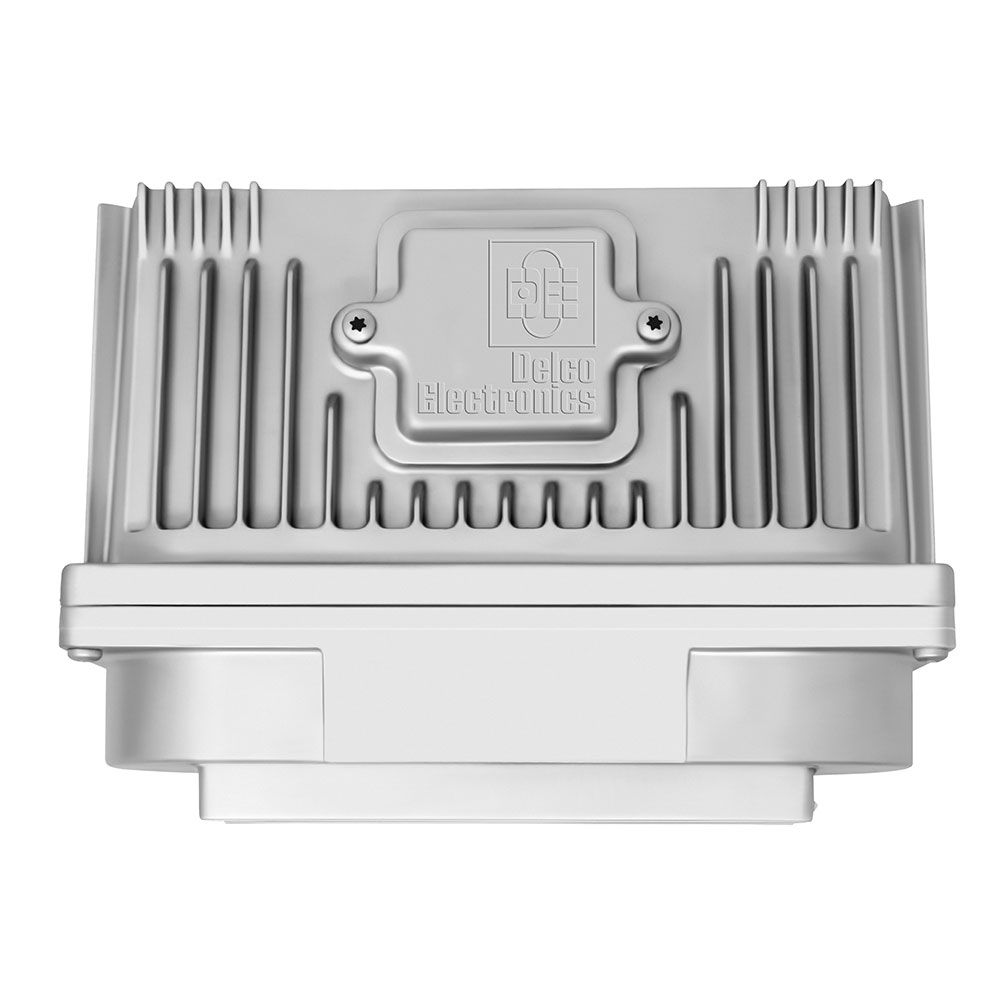
Flagship One stocks a refurbished, VIN-programmed PCM for the 1996 Oldsmobile Achieva with a lifetime warranty, free shipping and no core charge. The full Oldsmobile Achieva module lineup covers other engine configurations as well.
The 1996 Oldsmobile Achieva 3.1L relies on its PCM for proper engine and transmission operation. Understanding the location, replacement procedure, and programming requirements helps you avoid common mistakes. Whether you choose repair or replacement, using a pre-programmed unit simplifies the process and restores reliable performance.