
Last updated on August 25th, 2026 at 12:41 pm
The Powertrain Control Module (PCM) in the 2017 Lincoln MKC manages engine performance, transmission shifting, and emissions systems. Failures may cause drivability issues, warning lights, or complete no-start conditions due to corrupted software or internal hardware faults.
If your 2017 Lincoln MKC suddenly refuses to start, stalls at stoplights, or throws cryptic warning lights, the Powertrain Control Module (PCM) may be the culprit. This compact computer sits at the heart of your vehicle’s drivetrain, coordinating fuel delivery, ignition timing, and transmission shifts. When it fails, symptoms can range from subtle performance hiccups to complete immobilization. Replacing the PCM isn’t just about swapping hardware—it requires precise programming to match your MKC’s security and calibration data. Understanding the process helps you avoid unnecessary dealer markups and ensures a smooth repair. This guide covers what the PCM does, where it’s located, how replacement works, and why choosing the right replacement unit matters for your Lincoln’s reliability.
The Powertrain Control Module in the 2017 Lincoln MKC acts as the brain for both the engine and transmission. It processes data from sensors monitoring throttle position, oxygen levels, and crankshaft speed to optimize fuel injection and ignition timing. The module also manages the automatic transmission’s shift points, ensuring smooth acceleration and fuel efficiency. When the PCM malfunctions, your MKC may experience erratic shifting, reduced power, or even fail to start due to disrupted communication with the anti-theft system. Unlike generic engine computers, the PCM in this Lincoln integrates with the Passive Anti-Theft System (PATS), requiring replacement engine computers for the MKC to be pre-programmed with your vehicle’s unique VIN and security credentials. Without proper calibration, the new module won’t communicate with the rest of the vehicle’s systems, leaving you stranded. This integration makes the PCM critical not just for performance but for basic operation.
In the 2017 Lincoln MKC, the PCM is mounted on the passenger side of the engine compartment, near the firewall. Accessing it involves removing a protective cover and disconnecting the wiring harness. The factory labor time for removing and replacing the PCM is 0.9 hours, which includes unbolting the module and transferring any necessary connectors. After installation, the module must be relearned to the vehicle, a process that typically adds another 0.5 hours of labor. The location is designed for accessibility, but care must be taken to avoid damaging the wiring harness or connectors during removal. No specialized tools are required beyond basic hand tools, though a torque wrench may be used to secure the module to factory specifications if provided in service manuals.
Work with the ignition off, and treat the module as static-sensitive: avoid touching the connector pins at any point.
| Operation | Configuration | Book Time |
|---|---|---|
| Powertrain Control Module Relearn | All configurations | 0.5 hr |
| Powertrain Control Module R&R | All configurations | 0.9 hr |
| Engine Control Module R&R | All configurations | 0.9 hr |
| Engine Control Module Relearn | All configurations | 0.5 hr |
2017 Lincoln MKC
OEM programmed ECM for your 2017 Lincoln MKC — plug & play, no dealer visit.
Free shipping · Lifetime warranty
After replacing the PCM in your 2017 Lincoln MKC, the factory procedure requires reprogramming the Passive Anti-Theft System (PATS) to sync the new module with your vehicle’s security credentials. This step is critical—without it, the engine may crank but fail to start, or the transmission may default to limp mode. Dealerships typically perform this programming using specialized scan tools, which can add time and cost to the repair. However, a VIN-programmed replacement unit from Flagship One arrives pre-configured with your MKC’s specific calibration and security data, eliminating the need for post-installation programming. This means you can install the module and drive immediately, avoiding the hassle of scheduling a separate dealer visit for reprogramming. The process is streamlined, but always verify the replacement unit’s compatibility with your vehicle’s build data before installation.
A failing PCM in the 2017 Lincoln MKC often announces itself through a range of drivability issues. You may notice the engine stalling at idle, especially when coming to a stop, or hesitating during acceleration as if the throttle response is delayed. Some owners report the transmission shifting harshly or getting stuck in a single gear, a condition known as “limp mode.” Warning lights on the dashboard, such as the check engine or traction control lights, may illuminate, often accompanied by trouble codes stored in the vehicle’s memory. One common code is internal processor fault, which indicates the PCM’s internal circuitry is malfunctioning. Other symptoms include intermittent no-start conditions, where the engine cranks but fails to fire, or complete loss of communication with a scan tool, leaving you unable to diagnose other potential issues. These problems can be intermittent at first, making them frustrating to diagnose, but they typically worsen over time if the underlying PCM failure isn’t addressed.
The 2017 Lincoln MKC’s PCM may store specific trouble codes when internal faults occur. These codes help pinpoint whether the issue lies with the module itself or another component in the vehicle’s network. The following codes are documented for this model and often indicate PCM-related failures.
| Code | Meaning | Full Guide |
|---|---|---|
| P0605 | Internal ROM error | Full P0605 guide → |
| P0606 | Module processor failure | Full P0606 guide → |
| P0607 | Module performance fault | Full P0607 guide → |
| P164E | Module-internal fault | — |
| P166B | Module-internal fault | — |
| P2533 | Module-internal fault | Full P2533 guide → |
| U0100 | Module-internal fault | Full U0100 guide → |
| U0103 | Module-internal fault | Full U0103 guide → |
| U0151 | Module-internal fault | Full U0151 guide → |
| U0155 | Module-internal fault | Full U0155 guide → |
| U019E | Module-internal fault | — |
If the PCM isn’t properly programmed with your vehicle’s security data, the Passive Anti-Theft System (PATS) will prevent the engine from starting. This is a common issue when using a non-programmed replacement unit. A VIN-programmed module ensures the PATS system recognizes the new PCM and allows the engine to fire.
While the vehicle may still run, a P0606 code indicates an internal processor fault in the PCM, which can lead to unpredictable behavior. Driving with this code may result in stalling, misfires, or even a no-start condition. It’s best to address the issue promptly to avoid further complications.
PCM failures often trigger multiple communication-related codes, such as U0100 or U0155, alongside drivability symptoms like stalling or harsh shifting. A scan tool can help identify whether the codes are module-specific or related to sensors or wiring. If the PCM is unresponsive to the scan tool, it’s a strong indicator of module failure.
Replacing the PCM is a straightforward process if you’re comfortable working with electrical components. However, the module must be programmed to your vehicle’s VIN and security data to function correctly. If you’re not experienced with automotive electronics, it’s wise to consult a professional to avoid installation errors.
Ignoring PCM-related codes can lead to worsening drivability issues, such as stalling, misfires, or transmission problems. Over time, the vehicle may enter limp mode or fail to start altogether. Addressing the issue early can prevent more costly repairs down the line.
When your 2017 Lincoln MKC’s PCM fails, you have two primary options: repair or replace. Repairing the module may be cost-effective for minor issues, but it often doesn’t address underlying hardware faults. A replacement unit, particularly one that’s VIN-programmed, ensures your MKC’s engine and transmission systems communicate seamlessly. Given the labor involved in programming and relearning, choosing a pre-configured module can save time and avoid the hassle of multiple dealer visits. Consider your vehicle’s age and mileage when deciding, as a reliable replacement can extend your MKC’s lifespan without the uncertainty of a used or refurbished part.
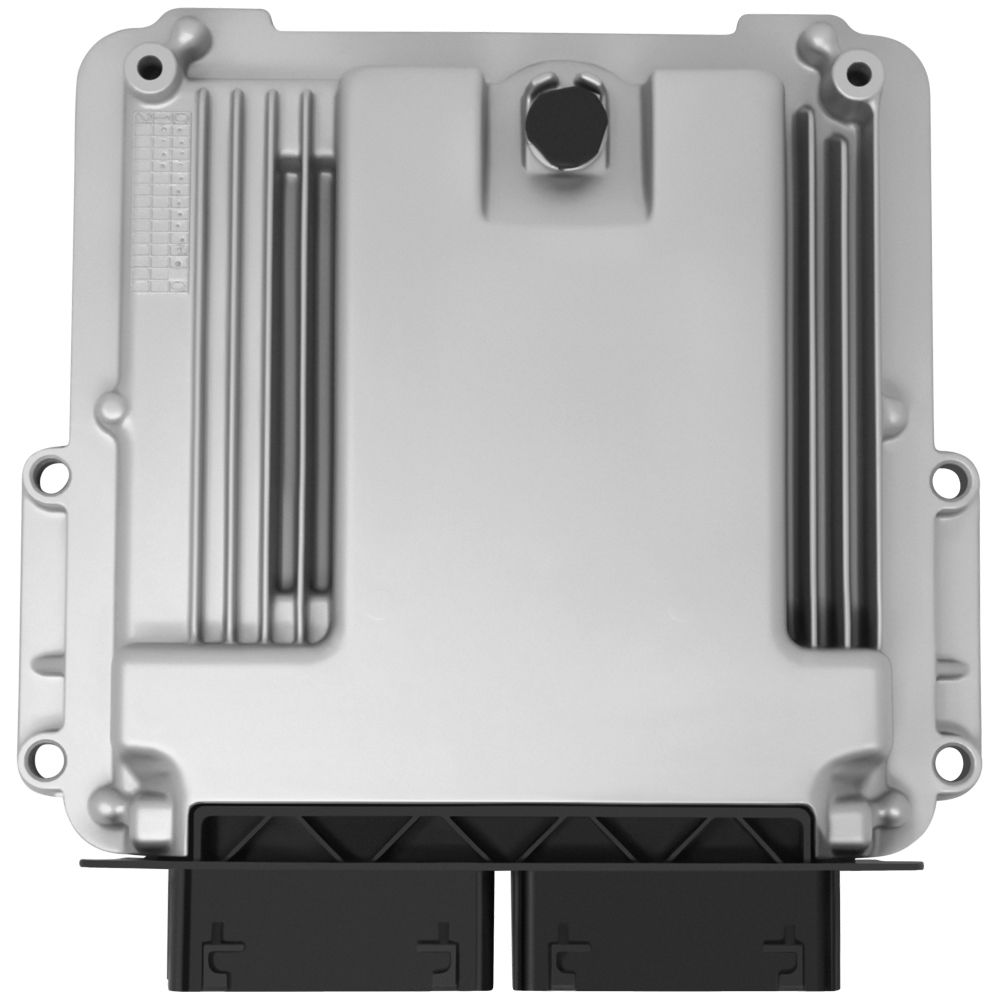
Flagship One stocks a refurbished, VIN-programmed PCM for the 2017 Lincoln MKC with a lifetime warranty, free shipping and no core charge. The full Lincoln MKC module lineup covers other engine configurations as well.
The Powertrain Control Module in your 2017 Lincoln MKC plays a critical role in keeping your vehicle running smoothly. When it fails, symptoms like stalling, no-start conditions, or transmission issues can disrupt your daily routine. Replacing the PCM involves more than just swapping hardware—it requires precise programming to ensure compatibility with your MKC’s security and calibration systems. By understanding the process and choosing a VIN-programmed replacement unit, you can restore your vehicle’s performance and avoid unnecessary downtime. If you’re experiencing PCM-related issues, addressing them promptly will help maintain your Lincoln’s reliability for miles to come.