
Last updated on August 25th, 2026 at 12:42 pm
The PCM/ECM in the 2015 Lincoln MKC (2.0L) is the central computer that controls engine and powertrain functions. It manages fuel injection, ignition timing, turbocharger boost, and transmission shifts. Failure can cause no-start, stalling, poor performance, or communication loss. Replacement requires programming to match the vehicle’s PATS security system.
If your 2015 Lincoln MKC 2.0L has started exhibiting drivability issues like intermittent stalling, a no-start condition, or a persistent check engine light, the powertrain control module (PCM) or engine control module (ECM) may be failing. These modules act as the brain of your vehicle, managing everything from fuel delivery and ignition timing to turbocharger boost and transmission shift points. When they malfunction, the entire powertrain can behave erratically. This article explains what the PCM/ECM does in your MKC, the common symptoms of failure, the replacement process including book labor times, and the critical programming step required after installation. You will also learn how a pre-programmed replacement unit from Flagship One can save you time and money by bypassing the dealer visit for PATS reprogramming. Understanding these details helps you make an informed decision about repairing or replacing the module.
The powertrain control module (PCM) in your 2015 Lincoln MKC 2.0L is a single computer that integrates engine and transmission control. It receives data from sensors throughout the vehicle—such as the crankshaft position sensor, oxygen sensors, and throttle position sensor—and uses that information to adjust fuel injector pulse width, ignition spark timing, turbocharger wastegate position, and transmission shift solenoids. The PCM also communicates with other modules via the CAN bus, including the anti-lock brake system and the body control module. In the MKC, the PCM is responsible for the PATS (Passive Anti-Theft System) security, which requires a unique key code to start the engine. When the PCM fails internally, it may lose the ability to communicate with these systems, leading to a no-start or drivability issues. For owners seeking replacement PCMs for the MKC, understanding that the module is vehicle-specific and must be programmed to the VIN is essential. The PCM is a sealed unit; internal failures like corrupted memory or damaged circuitry typically cannot be repaired and require a replacement module.
2015 Lincoln MKC
OEM programmed ECM for your 2015 Lincoln MKC — plug & play, no dealer visit.
Free shipping · Lifetime warranty
The PCM in the 2015 Lincoln MKC is located in the engine bay, typically mounted on the driver side near the battery or the air intake housing. To access it, you may need to remove the air filter box and some electrical harness covers. Replacement involves disconnecting the battery negative terminal, unplugging the two large electrical connectors (often with a locking tab), removing the mounting bolts, and lifting the module out. The book labor time for removal and replacement (R&R) is 0.9 hours. After installing the new PCM, a relearn procedure is required, which adds 0.5 hours of labor. The relearn allows the module to adapt to the vehicle’s specific sensors and actuators. Ensure the connectors are clean and the mounting bolts are torqued to factory specifications to avoid vibration issues.
| Operation | Configuration | Book Time |
|---|---|---|
| Powertrain Control Module Relearn | All configurations | 0.5 hr |
| Powertrain Control Module R&R | All configurations | 0.9 hr |
| Engine Control Module R&R | All configurations | 0.9 hr |
| Engine Control Module Relearn | All configurations | 0.5 hr |
After installing a new PCM in your 2015 Lincoln MKC, the module must be programmed with the vehicle’s VIN and the PATS security data. This is a factory procedure that typically requires a dealer-level scan tool to synchronize the keys and immobilizer. Without this step, the engine may crank but not start. Flagship One provides a VIN-programmed replacement unit that arrives with the correct VIN, PATS data, and calibration files already loaded. This means the 0.5-hour relearn procedure is still needed for adaptation, but the time-consuming dealer programming for PATS is eliminated. The module is plug-and-play in the sense that no additional security programming is required, though the relearn should be performed to ensure optimal drivability.
The following trouble codes are documented for the 2015 Lincoln MKC PCM/ECM. These internal module codes indicate specific failures within the control unit itself, often requiring replacement rather than repair. The list includes powertrain and communication codes.
| Code | Meaning | Full Guide |
|---|---|---|
| P0605 | Internal ROM error | Full P0605 guide → |
| P0606 | Module processor failure | Full P0606 guide → |
| P0607 | Module performance fault | Full P0607 guide → |
| P164E | Module-internal fault | — |
| P166B | Module-internal fault | — |
| P2533 | Module-internal fault | Full P2533 guide → |
| U0100 | Module-internal fault | Full U0100 guide → |
| U0103 | Module-internal fault | Full U0103 guide → |
| U0151 | Module-internal fault | Full U0151 guide → |
| U0155 | Module-internal fault | Full U0155 guide → |
| U019E | Module-internal fault | — |
When your 2015 Lincoln MKC PCM fails, you have two main options: have a dealer repair the module (often not possible due to sealed construction) or replace it with a new or refurbished unit. A refurbished PCM from Flagship One is a cost-effective alternative that includes VIN programming, so you can avoid the dealer’s programming fees. The module is built to factory specifications and tested before shipping.
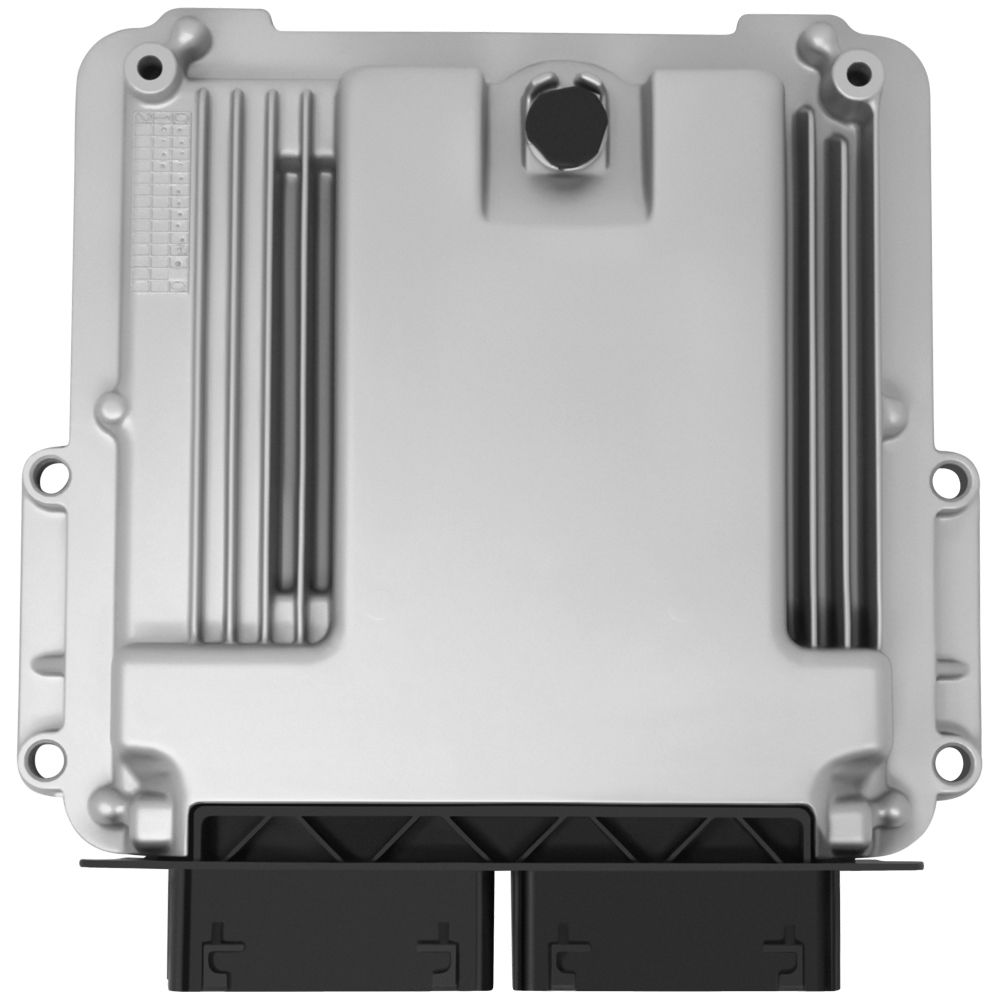
Flagship One stocks a refurbished, VIN-programmed PCM for the 2015 Lincoln MKC with a lifetime warranty, free shipping and no core charge. The full Lincoln MKC module lineup covers other engine configurations as well.
The PCM/ECM in your 2015 Lincoln MKC 2.0L is a critical component that controls engine and transmission operation. Recognizing the symptoms of failure and understanding the replacement process—including the 0.9-hour R&R and 0.5-hour relearn—helps you plan the repair. Choosing a pre-programmed replacement unit from Flagship One simplifies the job and gets you back on the road faster.