
Last updated on August 25th, 2026 at 12:12 pm
The Powertrain Control Module (PCM) on your 2003 Lincoln Navigator is the central computer that manages engine operation, transmission shifting, fuel delivery, and emissions systems. It processes data from dozens of sensors and commands actuators to maintain optimal performance. Common failure causes include voltage spikes from jump-starts, heat damage in the engine bay, moisture intrusion through connector seals, and corrupted software from incomplete updates or electrical faults.
If your 2003 Lincoln Navigator runs poorly, stalls unexpectedly, or refuses to start, the Powertrain Control Module may be the culprit. The PCM serves as the brain of your vehicle’s powertrain, coordinating between the engine and transmission while monitoring dozens of sensors in real time. When this computer fails or develops internal faults, the results range from annoying drivability symptoms to complete no-start conditions. This guide explains what the PCM does in your specific vehicle, common failure symptoms, replacement procedures, and your repair options. Whether you are diagnosing a check engine light, experiencing intermittent stalling, or preparing for a module swap, you will find practical information here. Understanding the role of this critical component helps you make informed decisions about diagnosis, repair timing, and whether to replace with a new unit or a refurbished one. The 5.4L V8 in your Navigator is a robust powertrain, but its electronic brain requires proper voltage, clean grounds, and sound software to function correctly.
The Powertrain Control Module in your 2003 Lincoln Navigator is the primary computer responsible for managing the 5.4L V8 engine and the automatic transmission. This single unit, often called the PCM, combines the functions previously handled by separate Engine Control Module and Transmission Control Module computers. It controls fuel injector pulse width and timing, idle air control, ignition timing advance, torque converter clutch engagement, and transmission shift scheduling. The module receives input from the crankshaft position sensor, camshaft position sensors, mass airflow sensor, throttle position sensor, coolant temperature sensor, and dozens of other inputs. It processes this data against stored calibration tables and outputs commands to actuators including fuel injectors, ignition coils, variable valve timing solenoids, and transmission shift solenoids. When the PCM experiences internal failure, the vehicle may enter a limp-home mode, fail to start, or display multiple diagnostic trouble codes. Replacement engine computers for the Navigator must be matched to your specific VIN and may require a relearn procedure to establish proper communication with the fuel system and transmission. The importance of this module cannot be overstated—it is the central nervous system of your vehicle’s powertrain, and virtually every aspect of driveability depends on its correct operation.
Flagship One keeps Lincoln Navigator replacement engine computers in stock for exactly this failure pattern.
2003 Lincoln Navigator
OEM programmed ECM for your 2003 Lincoln Navigator — plug & play, no dealer visit.
Free shipping · Lifetime warranty
The Powertrain Control Module on your 2003 Lincoln Navigator is typically located in the engine compartment, mounted on the driver’s side near the firewall or fender well. Access generally requires removing the engine cover and possibly a portion of the air intake ductwork. The module is housed in a metal enclosure with a multi-pin electrical connector that plugs into the vehicle wiring harness. Replacement involves disconnecting the battery negative terminal first, then unplugging the electrical connector from the PCM. Mounting bolts secure the module to its bracket, and these must be removed with standard hand tools. The new module is then installed in the reverse order, with careful attention to ensuring the connector seats fully and clicks into place. Book time for the R&R procedure is listed at 0.3 hours, which reflects straightforward access on this vehicle. After installation, the battery is reconnected and the ignition is cycled to initiate the module’s self-test sequence. It is advisable to verify that all connections are secure and that no trouble codes set immediately after startup. The relatively simple access and short labor time make this a manageable repair for those with moderate mechanical experience, though diagnostic time to confirm the PCM as the root cause will add to the overall job.
Work with the ignition off, and treat the module as static-sensitive: avoid touching the connector pins at any point.
| Operation | Configuration | Book Time |
|---|---|---|
| Engine Control Module R&R | All configurations | 0.3 hr |
| Powertrain Control Module Relearn | All configurations | 0.5 hr |
| Powertrain Control Module R&R | All configurations | 0.3 hr |
After installing a replacement PCM in your 2003 Lincoln Navigator, the factory procedure requires a relearn process to calibrate the new module to your specific vehicle’s engine and transmission. This relearn procedure allows the PCM to establish proper communication with the fuel injectors, transmission controls, and emissions systems. The book time for this powertrain control module relearn is 0.5 hours. During this procedure, the technician typically uses a scan tool to initiate the calibration and may need to drive the vehicle through specific operating conditions to complete the adaptive learning cycle. This step is essential for optimal drivability and to ensure the transmission shifts smoothly. However, when you purchase a VIN-programmed replacement unit from Flagship One, the module arrives pre-loaded with your specific vehicle identification number and the correct calibration for your 5.4L engine. This means the relearn procedure may be simplified or completed automatically as the module initializes, saving you time and potentially reducing the need for dealer-only programming equipment. The unit is tested before shipping to verify it communicates properly with your vehicle’s diagnostics system.
Every VIN-programmed replacement unit from Flagship One arrives with these steps already completed.
When the Powertrain Control Module on your 2003 Lincoln Navigator fails or develops internal faults, the symptoms can vary widely depending on the nature of the malfunction. A common presentation is a no-start condition where the engine cranks normally but fails to fire, often accompanied by a check engine light that may be steady or flashing. Stalling is another frequent complaint—the engine may run roughly at idle, stall when coming to a stop, or die unexpectedly while driving under load. Misfire codes such as P0300 (random/multiple cylinder misfire) or cylinder-specific codes like P0301 through P0308 often set when the PCM cannot properly control fuel delivery or ignition timing. In some cases, the scan tool may not communicate with the PCM at all, indicating a dead module or a failed communication circuit. Transmission shifting issues may also manifest, including harsh shifts, delayed engagement, or the vehicle getting stuck in a single gear. Other symptoms include illuminated warning lights for the engine, transmission, or ABS systems simultaneously, rough idle, reduced power, and poor fuel economy. If your Navigator exhibits any of these symptoms, having the diagnostic trouble codes read is the first step toward determining whether the PCM is the cause.
Factory Service Bulletin TSB 06-08-03 addresses speed control diagnostic tips for this vehicle and related models. This bulletin provides guidance for technicians diagnosing speed control system concerns, which may involve PCM inputs and outputs related to cruise control functionality. The bulletin emphasizes proper diagnostic procedures and may identify software updates or calibration revisions that address intermittent speed control operation. If your Navigator experiences cruise control malfunctions, checking for applicable TSBs and performing any recommended updates may resolve the issue without requiring hardware replacement. Owners experiencing speed control problems should reference this bulletin when discussing diagnosis with their service provider.
| Bulletin | Subject | What It Addresses |
|---|---|---|
| 06-08-03 | PCM – SPEED CONTROL DIAGNOSTIC TIPS | — |
A used PCM may work but often requires programming by a dealer or locksmith to match your VIN, and there is no guarantee it will not have the same internal faults that caused the original to fail. Additionally, salvage units typically have unknown history and may arrive with corrupted calibration data.
The physical replacement is straightforward for someone with basic mechanical skills, taking approximately 0.3 hours of book time. However, proper diagnosis to confirm the PCM is the cause is essential, and you may need access to a scan tool to clear codes and verify operation after installation.
Scan-tool communication is a key indicator—if the tool cannot communicate with the PCM or retrieves multiple unrelated codes simultaneously, the module is likely at fault. A professional diagnosis using manufacturer-specific tools provides the most accurate assessment.
No special tools are required for the physical R&R procedure, though a scan tool is recommended to verify the replacement functions correctly and to clear any stored fault codes. The relearn procedure may require a professional-grade diagnostic tool.
An unprogrammed PCM will not communicate with your vehicle’s systems and the engine will likely not start or will run poorly. Flagship One units are shipped VIN-programmed to eliminate this step, but if you obtain a generic replacement, programming is mandatory.
When your 2003 Lincoln Navigator requires a PCM replacement, you have two primary paths: a new or refurbished unit from the dealer, or a VIN-programmed replacement from Flagship One. Dealer units typically arrive as blank modules requiring programming upon installation, which adds cost and may require a return visit. Flagship One replacement units arrive pre-programmed with your specific VIN and the correct calibration for the 5.4L engine, meaning they are ready to install and drive. Consider your budget, timeline, and diagnostic confidence when choosing your replacement option.
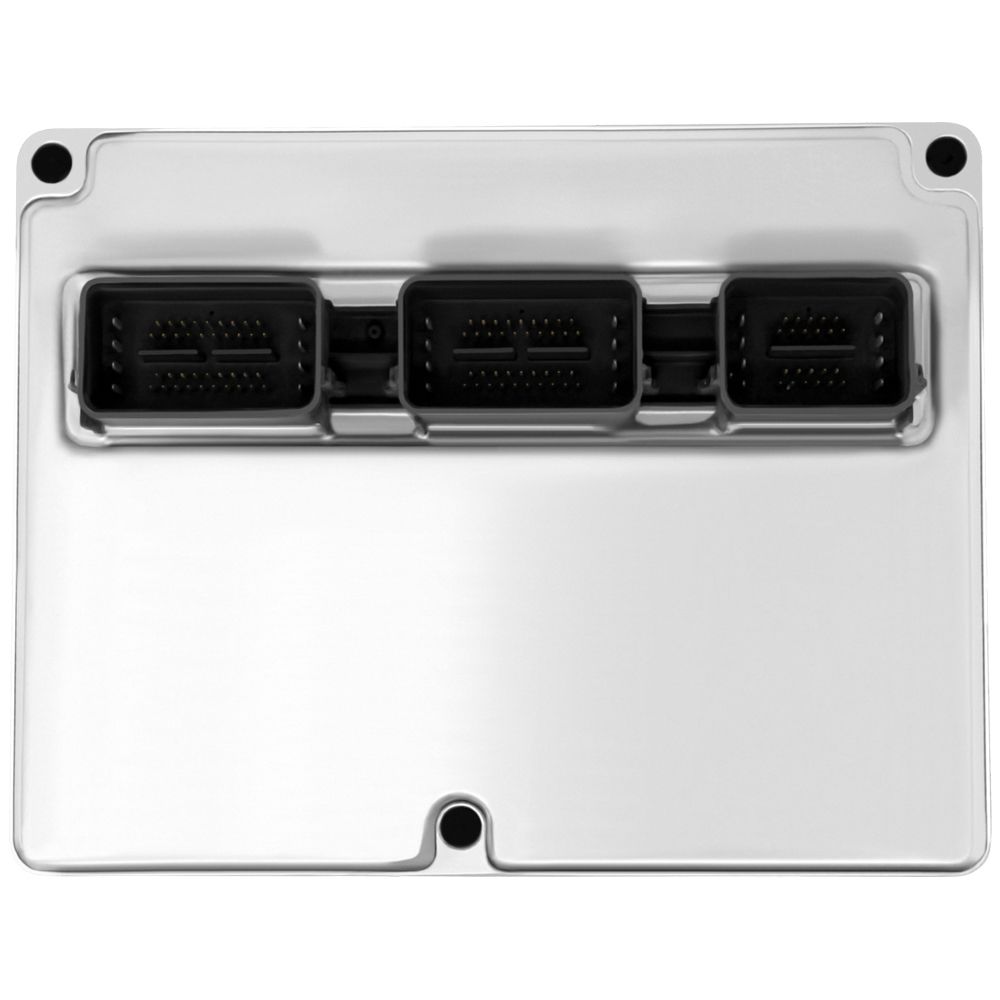
Flagship One stocks a refurbished, VIN-programmed PCM for the 2003 Lincoln Navigator with a lifetime warranty, free shipping and no core charge. The full Lincoln Navigator module lineup covers other engine configurations as well.
The Powertrain Control Module is essential to your 2003 Lincoln Navigator’s operation, and failure can leave you stranded or facing costly repairs. Understanding the symptoms, replacement process, and programming requirements helps you make informed decisions. Whether you choose dealer service or a VIN-programmed replacement unit from Flagship One, addressing PCM issues promptly restores your Navigator’s reliability and performance.