
Last updated on August 25th, 2026 at 12:44 pm
In the 1998 Lincoln Mark VIII, the powertrain control module (PCM) and engine control module (ECM) act as the vehicle’s brain, processing sensor data to manage fuel delivery, ignition timing, and transmission shifts. A failure typically stems from internal circuitry degradation, moisture intrusion, or voltage spikes, leading to loss of engine control and diagnostic communication.
When a 1998 Lincoln Mark VIII begins to exhibit erratic idle, unexpected stalling, or a persistent check‑engine light, the underlying cause often points to the vehicle’s control modules. Understanding how the PCM and ECM function, where they sit, and what service steps are required can help you decide whether a repair or a replacement is the best path forward. This guide walks you through the essential facts, from the basic definition of these modules to the labor times involved, the programming requirements, and practical tips to keep the system healthy. By the end, you should have a clear picture of what the repair entails and how a properly programmed replacement from Flagship One can simplify the process.
1998 Lincoln Mark VIII
OEM programmed ECM for your 1998 Lincoln Mark VIII — plug & play, no dealer visit.
Free shipping · Lifetime warranty
The PCM and ECM in the 1998 Lincoln Mark VIII serve as the central processors that translate sensor inputs into actionable commands for fuel injection, spark timing, and transmission shift points. They continuously monitor engine load, temperature, and emissions data to keep the powertrain operating within design parameters. Because the vehicle’s performance and emissions compliance depend on precise timing, any deviation can trigger warning lights or reduce drivability. The modules also store fault codes that help technicians pinpoint issues. For owners seeking a new unit, the market offers Mark VIII replacement engine computer that match the original specifications and communicate seamlessly with existing wiring.
Both the PCM and ECM are mounted within the engine compartment, typically secured to the firewall or a nearby bracket for easy access. Removal generally involves disconnecting the main power connector, unfastening a few bolts, and withdrawing the unit. According to the labor guide, each removal and reinstall operation is allotted 1.1 hours, reflecting the time needed to reach the module, detach wiring, and secure the new component. After the new module is in place, a short relearn procedure of 0.5 hours is required to synchronize the powertrain control parameters with the vehicle’s existing sensors.
Work with the ignition off, and treat the module as static-sensitive: avoid touching the connector pins at any point.
| Operation | Configuration | Book Time |
|---|---|---|
| Engine Control Module R&R | All configurations | 1.1 hr |
| Powertrain Control Module Relearn | All configurations | 0.5 hr |
| Powertrain Control Module R&R | All configurations | 1.1 hr |
Following installation, the factory service procedure calls for a reprogramming step to align the new PCM with the vehicle’s VIN and calibration data. Flagship One supplies units that arrive already VIN‑programmed, so the typical reprogramming sequence is effectively completed before the part reaches your shop. This means the technician only needs to perform the standard 0.5 hour relearn, and the module will communicate correctly with the engine and transmission without additional coding. The pre‑programmed state also eliminates the need for a dealer‑only flash tool, streamlining the overall repair timeline.
Every VIN-programmed replacement unit from Flagship One arrives with these steps already completed.
A failing PCM or ECM in the 1998 Lincoln Mark VIII may present with a range of observable issues. Common signs include an engine that refuses to start, intermittent stalling at idle, rough acceleration, or unexpected transmission shifting patterns. Diagnostic trouble codes often appear, such as P0442, which indicates a small evaporative emission system leak, and P0455, denoting a large leak in the same system. In some cases, the vehicle may lose communication with scan tools, making it difficult to retrieve data. These symptoms typically point to internal module faults, wiring problems, or voltage irregularities that disrupt normal operation.
Service bulletin 99-04-03 directs technicians to perform an out‑of‑vehicle reprogramming of powertrain control modules for EEC‑V equipped vehicles, while bulletin 99-23-04 addresses diagnostic codes P0442 and P0455, noting that these codes do not affect immediate driveability but should be cleared after repair.
| Bulletin | Subject | What It Addresses |
|---|---|---|
| 99-04-03 | EEC V VEHICLES ONLY – OUT-OF-VEHICLE – REPROGRAMMING POWERTRAIN CONTROL MODULES (PCMS) | — |
| 99-23-04 | DIAGNOSTIC TROUBLE CODES (DTCS) P0442 AND P0455 – MALFUNCTION INDICATOR LAMP (MIL) – NO DRIVEAB | — |
The labor guide assigns 1.1 hours for the removal and installation of the PCM, plus an additional 0.5 hours for the required relearn procedure.
When using a Flagship One unit, the module arrives VIN‑programmed, so no dealer‑only programming tools are required beyond the standard relearn.
These codes indicate evaporative system leaks and typically do not cause stalling, but they should be cleared after the underlying issue is repaired.
Both modules share similar functions, but replacement is only required if testing confirms a fault in one of them.
Routine inspections during regular service intervals can help detect early signs of wear, especially if you notice intermittent performance issues.
When a control module fails, you can either have the original part repaired or choose a refurbished replacement that meets factory specifications. For the 1998 Lincoln Mark VIII, a Flagship One unit offers a cost‑effective solution with pre‑programmed VIN data, reducing the time spent on post‑install coding while preserving the vehicle’s original performance characteristics.
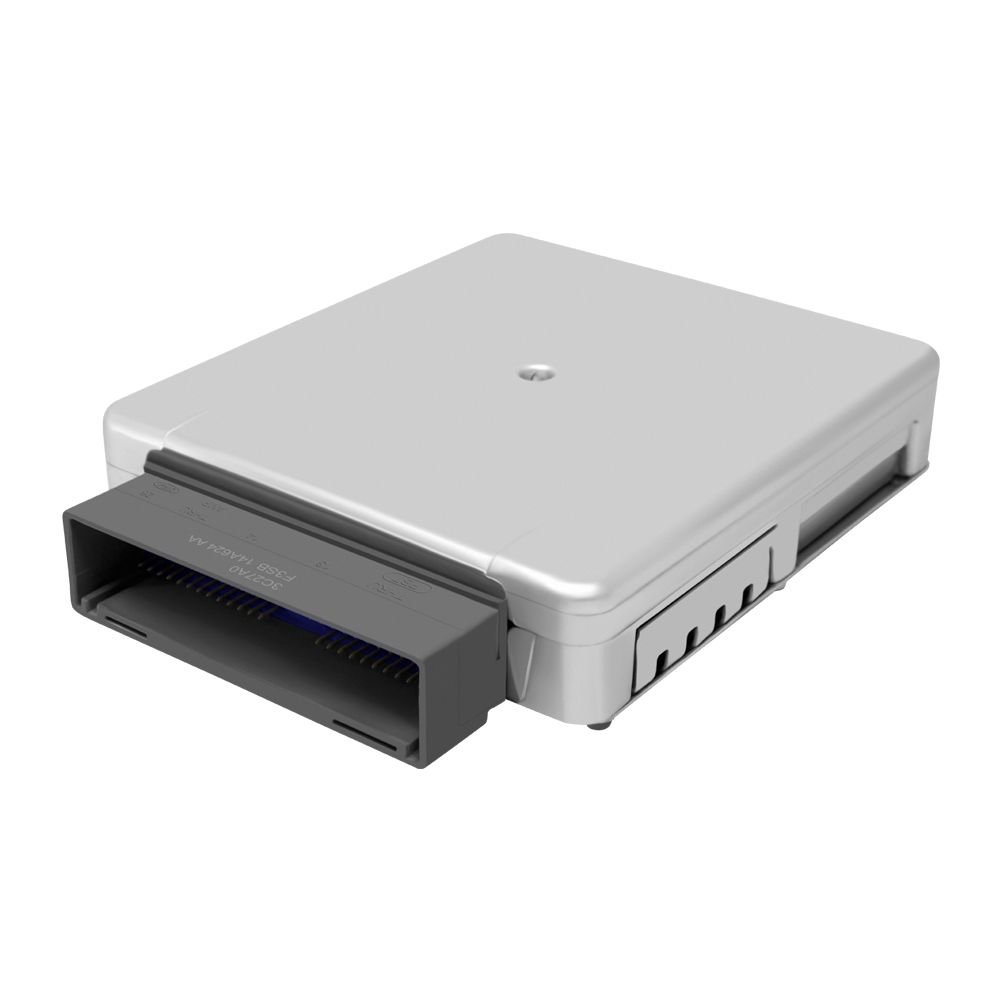
Flagship One stocks a refurbished, VIN-programmed PCM for the 1998 Lincoln Mark VIII with a lifetime warranty, free shipping and no core charge. The full Lincoln Mark VIII module lineup covers other engine configurations as well.
If your 1998 Lincoln Mark VIII is showing PCM or ECM related symptoms, a properly installed and pre‑programmed replacement can restore reliable operation. Consider your repair options and choose the solution that best fits your vehicle’s needs.