
Last updated on August 25th, 2026 at 12:12 pm
The powertrain control module in your 1994 Lincoln Town Car governs fuel delivery, ignition timing, and transmission behavior for the 4.6L V8. When its internal electronics degrade, the module may trigger warning lamps, delayed upshifts, stalling, or a no-start condition that leaves the vehicle undrivable.
When your 1994 Lincoln Town Car begins exhibiting erratic shifting, unexpected stalling, or a malfunction indicator lamp that refuses to clear, the powertrain control module often becomes a primary suspect. This onboard computer serves as the central nervous system for your 4.6L V8, orchestrating fuel injection, ignition timing, and transmission solenoid commands in real time. Over decades of service, heat cycling, voltage transients, and internal component aging can degrade the module’s circuitry, leading to drivability problems that mimic other mechanical failures. Understanding what this module does, where it lives in your vehicle, and what replacement involves helps you make an informed repair decision rather than chasing symptoms through unrelated components. Whether you are diagnosing a specific trouble code or planning a proactive replacement, knowing the labor times, programming requirements, and relevant service bulletins equips you to approach the repair with confidence. This guide walks through the technical details specific to your Town Car so you can evaluate whether a remanufactured, pre-programmed module is the right path forward.
The powertrain control module in your 1994 Lincoln Town Car is a dedicated microprocessor-based unit that continuously monitors dozens of sensor inputs and adjusts engine and transmission outputs accordingly. For the 4.6L V8, it controls fuel injector pulse width, spark advance, idle air position, EGR flow, and torque-converter lockup. On the transmission side, it commands shift solenoids to manage the 4R70W automatic transmission, determining shift timing, firmness, and torque-converter engagement based on vehicle speed, throttle position, and engine load. The module also runs continuous self-diagnostics, storing trouble codes when readings fall outside expected parameters.
Because the PCM integrates both engine and transmission management into one unit, a single internal fault can produce widely varying symptoms. A corrupted memory sector might cause harsh or delayed upshifts, while a failed driver circuit could disable fuel injectors entirely. Voltage regulator failures within the module may lead to intermittent operation where the vehicle runs perfectly one moment and stalls the next. When choosing Lincoln Town Car PCM replacements, you are addressing the root cause rather than masking symptoms with peripheral component swaps. The module relies on clean ground paths, stable battery voltage, and intact connector seals to function reliably. Corroded terminals or loose ground connections can mimic module failure, so a thorough wiring inspection should always precede replacement. Once you confirm the module itself has failed, a programmed replacement restores the calibrated operating parameters your 4.6L V8 expects.
Flagship One keeps Lincoln Town Car replacement engine computers in stock for exactly this failure pattern.
1994 Lincoln Town Car
OEM programmed ECM for your 1994 Lincoln Town Car — plug & play, no dealer visit.
Free shipping · Lifetime warranty
The PCM in your 1994 Lincoln Town Car is typically mounted in an interior location behind the passenger-side kick panel area, though exact positioning may vary with trim level. Accessing the module involves removing the lower interior trim panel to expose the mounting bracket, disconnecting the vehicle battery to prevent electrical damage, and unplugging the large wiring harness connectors. The module secures to its bracket with retaining fasteners that must be removed before the unit slides free.
According to published labor guides, removing and reinstalling the powertrain control module requires 1.1 hours. The same labor time of 1.1 hours applies if your service order references the module as an engine control module, since both terms describe the same component in this vehicle. Installation reverses the removal sequence, ensuring all connector retaining clips engage fully and the mounting fasteners are snug. After physical installation, the module must undergo a relearn procedure.
Work with the ignition off, and treat the module as static-sensitive: avoid touching the connector pins at any point.
| Operation | Configuration | Book Time |
|---|---|---|
| Engine Control Module R&R | All configurations | 1.1 hr |
| Powertrain Control Module Relearn | All configurations | 0.5 hr |
| Powertrain Control Module R&R | All configurations | 1.1 hr |
After physically installing a replacement PCM in your 1994 Lincoln Town Car, the factory service procedure requires a powertrain control module relearn, which carries a labor time of 0.5 hours. This relearn process allows the new module to adapt idle parameters, fuel trim baselines, and transmission shift characteristics to your specific vehicle. Without this step, the engine may idle erratically, shift harshly, or fail to recognize certain sensor inputs correctly. The relearn typically requires a compatible scan tool to initiate the adaptation sequences and confirm that all systems communicate properly.
When you install a VIN-programmed replacement unit from Flagship One, the calibration data for your specific 1994 Lincoln Town Car is already loaded onto the module before it ships. This means the core programming steps are completed at the factory, and your vehicle recognizes the module upon startup. The relearn adaptation may still occur naturally as you drive, but the fundamental operating parameters are already in place.
A failing PCM in your 1994 Lincoln Town Car can produce a broad spectrum of drivability symptoms, many of which overlap with other system failures and complicate diagnosis. One of the most common indicators is a malfunction indicator lamp illuminated on the dashboard, often accompanied by stored trouble codes that point to internal module faults rather than specific sensor or actuator failures. You may notice the engine cranking but failing to start, which can occur when the module loses its ability to command fuel injectors or ignition coils. Intermittent stalling while driving is another frequent complaint, particularly when the vehicle is warm, as heat-soaked internal components expand and lose contact within circuit boards.
On the transmission side, the 4R70W automatic may exhibit delayed, soft, or hesitant 1-2 and 3-4 upshifts, which Ford documented in a service bulletin specific to this engine and transmission combination. The torque converter may fail to lock, causing higher RPM at highway speeds and reduced fuel economy. Some owners report a noticeable sag or hesitation during acceleration, as though the engine momentarily loses fuel or spark input.
Scan-tool communication problems also point to module failure. If your diagnostic tool cannot establish a link with the PCM, or if it reports an internal PCM memory checksum fault, the module’s internal processor or memory has likely degraded. Misfire codes that persist despite replacing ignition components, fuel injectors, and related sensors may also trace back to a PCM that can no longer process inputs correctly. Because these symptoms mimic ignition, fuel, and transmission faults, confirming module failure requires methodical testing of power, ground, and signal circuits before condemning the unit.
The following trouble codes are documented as module-internal faults for the 1994 Lincoln Town Car. These codes indicate that the powertrain control module itself has detected a problem within its own circuitry, memory, or communication pathways, rather than reporting a failure in an external sensor or actuator. When any of these codes appear, module replacement is often the recommended repair path.
Ford issued two relevant technical service bulletins for this vehicle. Bulletin 95-08-03 addresses delayed, slow, soft, or hesitant 1-2 and 3-4 upshifts on 4.6L engines equipped with the 4R70W transmission, noting that PCM replacement may be required. This bulletin also provides a service tip for installing a Ford authorized remanufactured transmission. Bulletin 95-10-02 covers malfunction indicator lamp illumination on vehicles with distributorless ignition systems, involving the ignition control module connector. A revised connector retention clip and seal were released to improve connection reliability at the ICM wiring. Both bulletins highlight how interconnected module and wiring issues can produce overlapping symptoms on this vehicle.
| Bulletin | Subject | What It Addresses |
|---|---|---|
| 95-08-03 | 3.8L AND 4.6L ENGINES – 4R70W – DELAYED/SLOW/SOFT OR HESITATION/SAG ON 1-2 AND/OR 3-4 UPSHIFTS | — |
| 95-10-02 | “MALFUNCTION INDICATOR LAMP” (MIL) ILLUMINATED – DISTRIBUTORLESS IGNITION SYSTEM (DIS) ONLY – I | — |
Published labor guides list 1.1 hours for removing and reinstalling the powertrain control module. An additional 0.5 hours covers the relearn procedure that follows installation. Actual time may vary depending on access conditions and whether any related wiring repairs are needed.
The relearn process allows the replacement module to adapt idle parameters, fuel trims, and transmission shift characteristics to your specific vehicle. It typically requires a compatible scan tool to initiate the adaptation sequences. With a pre-programmed module, the core calibration is already loaded, and the relearn may occur naturally during initial driving.
Yes. The PCM controls shift solenoids for the 4R70W automatic transmission. Ford documented delayed, soft, or hesitant 1-2 and 3-4 upshifts in service bulletin 95-08-03, noting that PCM replacement may be required when these symptoms appear on 4.6L-equipped vehicles.
Flagship One ships replacement modules with your vehicle’s calibration already loaded based on the VIN you provide. This means the factory programming steps are completed before the unit arrives, so you can install it and proceed with the relearn adaptation.
Codes in the P0600 through P0656 range are documented as module-internal faults for this vehicle. These codes suggest the powertrain control module has detected a problem within its own circuitry, memory, or communication pathways. When these codes appear alongside drivability symptoms, module replacement is often the recommended repair.
When your 1994 Lincoln Town Car exhibits symptoms consistent with PCM failure, you have two practical paths. You can attempt to repair the existing module if the fault traces to a specific, identifiable circuit, though this requires specialized diagnostic equipment and soldering expertise. Alternatively, a remanufactured, VIN-programmed replacement module offers a direct solution that eliminates the guesswork and the need for dealer programming equipment. For a vehicle of this vintage, a pre-programmed unit often represents the more reliable and time-efficient option.
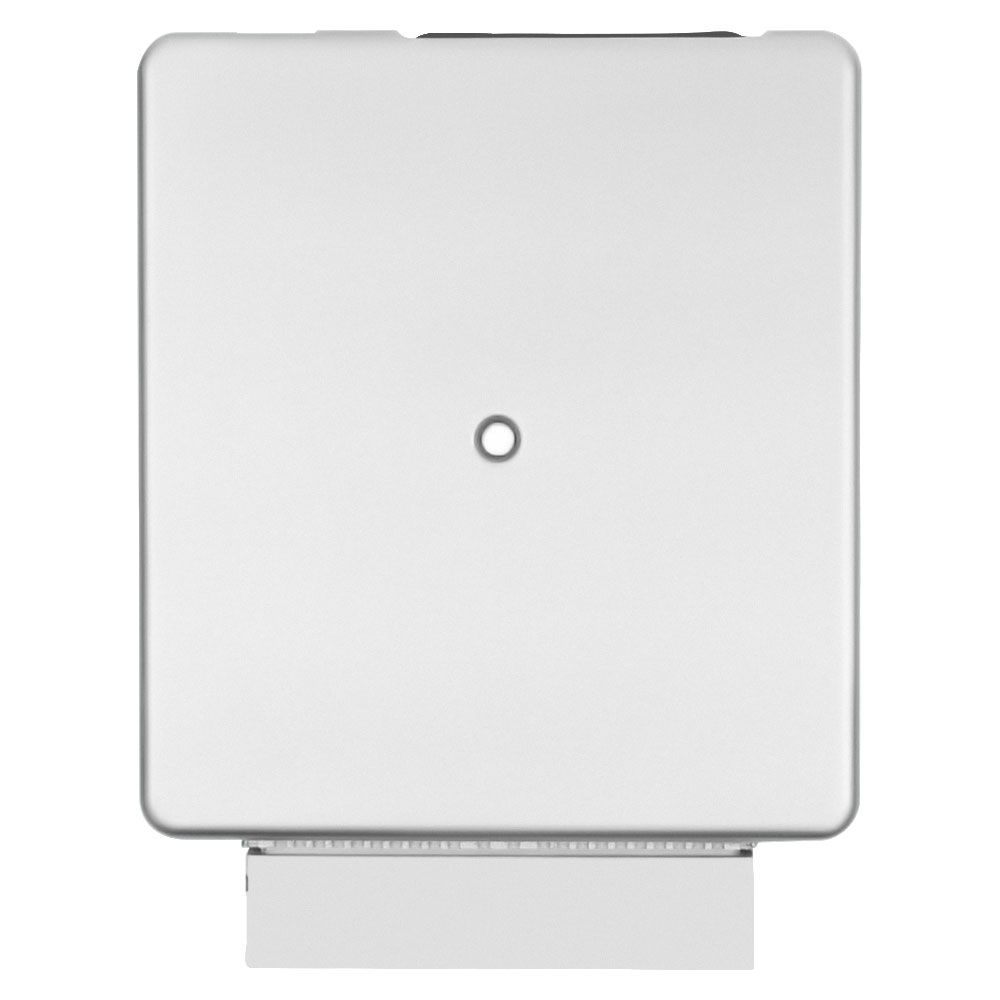
Flagship One stocks a refurbished, VIN-programmed PCM for the 1994 Lincoln Town Car with a lifetime warranty, free shipping and no core charge.
Your 1994 Lincoln Town Car depends on a healthy powertrain control module to manage the 4.6L V8 and 4R70W transmission with precision. Recognizing the symptoms of internal module failure, understanding the labor involved, and knowing the relevant service bulletins help you approach the repair with clarity. A VIN-programmed replacement from Flagship One may be the most straightforward path to restoring your vehicle’s drivability and reliability.