
Last updated on August 25th, 2026 at 12:45 pm
The Powertrain Control Module (PCM) in your 2014 Dodge Dart manages engine and transmission functions. Failures may cause drivability issues, including stalling, poor acceleration, or communication errors with diagnostic tools.
If your 2014 Dodge Dart is experiencing unexplained stalling, rough idling, or a no-start condition, the Powertrain Control Module (PCM) may be at fault. This critical component oversees engine performance and transmission behavior, and its failure can lead to frustrating drivability issues. Understanding what the PCM does, where it’s located, and how to replace it safely can help you address problems efficiently. You’ll also learn how to recognize symptoms early and avoid common pitfalls during replacement, ensuring your Dart runs smoothly after the repair.
The Powertrain Control Module in your 2014 Dodge Dart acts as the brain for engine and transmission operations. It processes data from sensors to optimize fuel delivery, ignition timing, and shifting patterns. A malfunctioning PCM may disrupt these functions, leading to poor performance or even a vehicle that won’t start. When replacement becomes necessary, you’ll need replacement engine computers for the Dart that are compatible with your vehicle’s specifications. Without a properly functioning PCM, your Dart may struggle with fuel efficiency, emissions compliance, or overall reliability.
2014 Dodge Dart
OEM programmed ECM for your 2014 Dodge Dart — plug & play, no dealer visit.
Free shipping · Lifetime warranty
The PCM in the 2014 Dodge Dart is mounted near the engine bay, with its ground strap secured to the lower forward stud. Replacing it involves disconnecting the battery first to prevent voltage spikes, as the factory warns. Once the battery is disconnected, you’ll remove the electrical connectors and mounting hardware. Labor estimates for PCM removal and reinstallation typically range around 0.9 hours, while the Engine Control Module (ECM) itself may take 0.5 hours. After installation, a relearn procedure of 0.5 hours is often required to synchronize the new module with your vehicle’s systems.
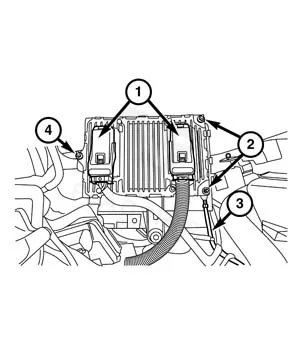
Work with the ignition off, and treat the module as static-sensitive: avoid touching the connector pins at any point.
| Operation | Configuration | Book Time |
|---|---|---|
| Powertrain Control Module R&R | All configurations | 0.9 hr |
| Engine Control Module Relearn | All configurations | 0.5 hr |
| Engine Control Module R&R | All configurations | 0.5 hr |
After installing a new PCM in your 2014 Dodge Dart, the factory procedure requires programming the module with your vehicle’s original VIN and mileage using a diagnostic scan tool. This step ensures the PCM communicates correctly with the engine and transmission. However, a VIN-programmed replacement unit from Flagship One arrives pre-configured, eliminating the need for this additional step. This saves time and reduces the risk of programming errors during installation.
A failing PCM in your 2014 Dodge Dart may cause a variety of symptoms, including intermittent stalling, rough idling, or a complete no-start condition. You might also notice poor acceleration, erratic shifting, or the check engine light illuminating. Diagnostic trouble codes like internal control module memory checksum error often appear when the PCM is malfunctioning. Additionally, you may experience communication issues with scan tools, making it difficult to retrieve or clear codes until the module is replaced.
The 2014 Dodge Dart may store specific trouble codes when the PCM begins to fail. These codes help identify internal module issues and guide diagnostics. Common codes associated with PCM failure in this vehicle include the following.
| Code | Meaning | Full Guide |
|---|---|---|
| P0601 | Internal memory checksum error | Full P0601 guide → |
| P0606 | Module processor failure | Full P0606 guide → |
Factory service bulletins for the 2014 Dodge Dart include updates to improve vehicle performance and diagnostics for the 2.0L engine. Bulletin #18-067-16 addresses system improvements and flash updates designed to enhance reliability. If your Dart is experiencing drivability issues, checking for applicable bulletins may provide solutions before replacing the PCM.
| Bulletin | Subject | What It Addresses |
|---|---|---|
| 18-067-16 | Service Bulletins/Recalls • 18 – Vehicle Performance • Flash: 2.0l Diagnostic and System Improv | — |
Intermittent stalling in your Dart may stem from a failing PCM, especially if accompanied by trouble codes or erratic engine behavior. The PCM controls fuel delivery and ignition timing, so disruptions in these functions can lead to stalling. A diagnostic scan can confirm if the PCM is the root cause.
If your Dart doesn’t start after a PCM replacement, ensure the battery was disconnected before servicing to prevent voltage spikes. Verify that all electrical connectors are securely fastened and that the ground strap is properly attached. A relearn procedure may also be necessary to synchronize the new PCM with your vehicle.
A failing PCM often triggers specific symptoms like no-start conditions, stalling, or stored trouble codes such as P0601 or P0606. If your Dart exhibits these issues alongside poor scan tool communication, the PCM is a likely culprit. However, other components like sensors or wiring should also be checked.
If your 2014 Dodge Dart is showing signs of PCM failure, you have options for replacement. A new or refurbished module can restore proper engine and transmission function. Given the labor and programming requirements, choosing a pre-configured unit may simplify the process and reduce downtime. Consider your vehicle’s needs and the steps involved to make an informed decision.
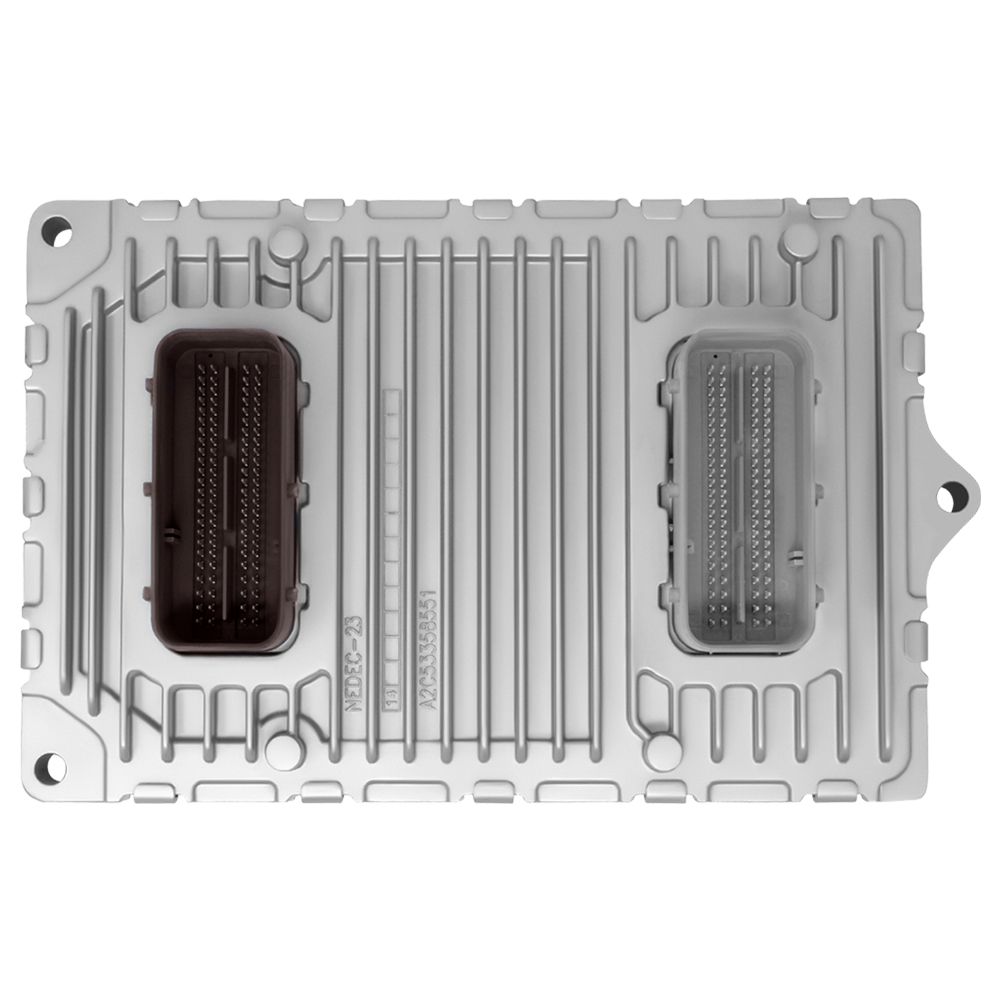
Flagship One stocks a refurbished, VIN-programmed PCM for the 2014 Dodge Dart with a lifetime warranty, free shipping and no core charge. The full Dodge Dart module lineup covers other engine configurations as well.
Addressing PCM issues in your 2014 Dodge Dart early can prevent more serious drivability problems down the road. Whether you opt for a new or refurbished replacement, understanding the symptoms, location, and installation process ensures a smoother repair. Keep your Dart running reliably by staying proactive with maintenance and diagnostics.