
Last updated on August 25th, 2026 at 12:48 pm
The powertrain control module (PCM) in your 2003 Dodge Viper manages engine and transmission functions. Failures may cause erratic performance, no-start conditions, or stored trouble codes like P0601.
If your 2003 Dodge Viper is experiencing rough idle, stalling, or a no-start condition, the powertrain control module (PCM) may be the culprit. This critical component oversees engine and transmission operations, and when it fails, symptoms can range from subtle drivability issues to complete immobilization. Replacing the PCM involves straightforward labor, but proper programming is essential to restore full functionality. Understanding the process—from location and removal to post-install procedures—helps you make informed decisions about repairs. Whether you’re diagnosing a persistent check-engine light or addressing a sudden no-start, knowing what to expect can save time and frustration.
In your 2003 Dodge Viper, the PCM acts as the brain for engine and transmission systems, controlling fuel delivery, ignition timing, and shift points. It ensures optimal performance and emissions compliance by interpreting data from sensors throughout the vehicle. When the PCM malfunctions, you may notice poor throttle response, erratic shifting, or even a replacement engine computers for the Viper that fails to communicate with diagnostic tools. Since the module integrates multiple control functions, its reliability directly impacts drivability. A faulty PCM can trigger a range of symptoms, from subtle hesitation to complete engine shutdown, making timely diagnosis and replacement critical for maintaining your vehicle’s performance.
2003 Dodge Viper
OEM programmed ECM for your 2003 Dodge Viper — plug & play, no dealer visit.
Free shipping · Lifetime warranty
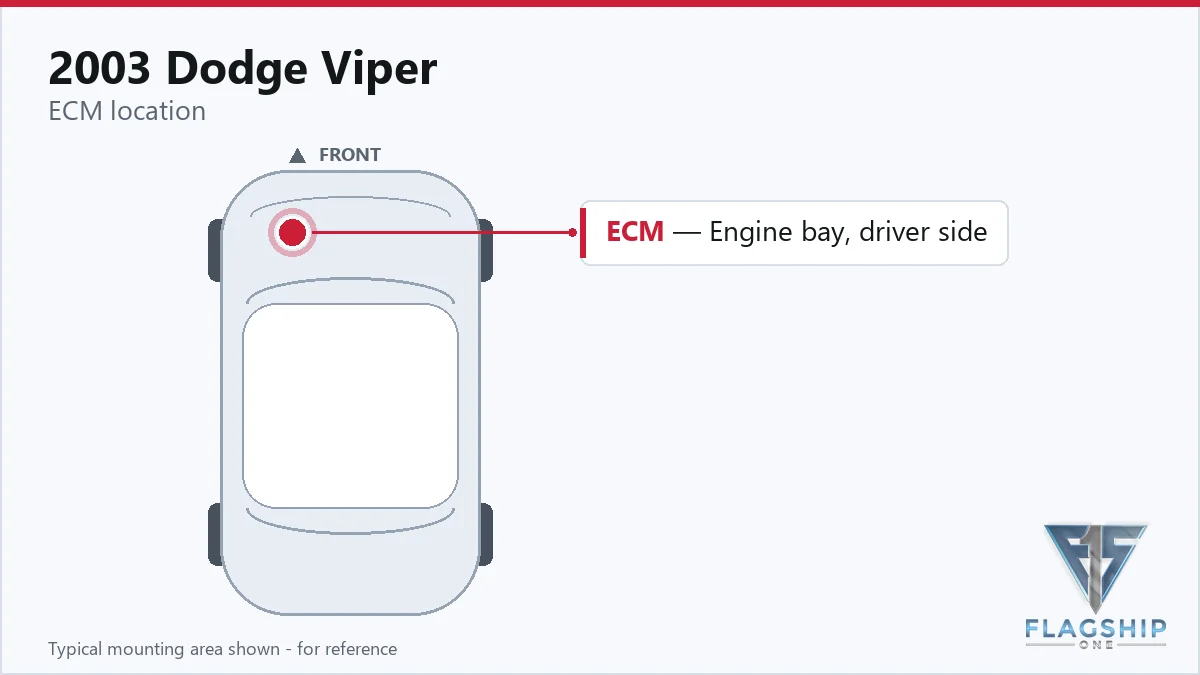
The PCM in your 2003 Dodge Viper is positioned next to the air cleaner assembly, making it relatively accessible for replacement. Factory procedures specify a labor time of 0.5 hours for removal and reinstallation. The process typically involves disconnecting the battery, unplugging the module’s electrical connectors, and removing any mounting hardware. Once the old unit is out, the new PCM is installed in reverse order. No specialized tools are required beyond basic hand tools, but care should be taken to avoid damaging connectors or the module itself during handling. The straightforward location reduces labor time, though proper reinstallation is key to avoiding future issues.
Work with the ignition off, and treat the module as static-sensitive: avoid touching the connector pins at any point.
| Operation | Configuration | Book Time |
|---|---|---|
| Engine Control Module Relearn | All configurations | 0.5 hr |
| Engine Control Module R&R | All configurations | 0.5 hr |
| Powertrain Control Module Relearn | All configurations | 0.5 hr |
| Powertrain Control Module R&R | All configurations | 0.5 hr |
After replacing the PCM in your 2003 Dodge Viper, the factory procedure requires a 0.5-hour relearn process to synchronize the module with the vehicle’s systems. This step ensures proper communication between the PCM and sensors, preventing drivability issues or stored trouble codes. However, a VIN-programmed replacement unit from Flagship One arrives pre-configured for your vehicle, eliminating the need for this additional step. This not only saves time but also reduces the risk of programming errors that can occur during manual procedures. Once installed, the module is ready to function immediately, allowing you to focus on verifying proper operation rather than navigating complex reprogramming.
A failing PCM in your 2003 Dodge Viper may cause a variety of symptoms, often mimicking other issues. Common signs include intermittent stalling, rough idle, or a no-start condition, particularly after a cold start. You might also notice poor throttle response, erratic shifting, or the illumination of the check-engine light. In some cases, the vehicle may enter a limp-home mode, limiting power to prevent further damage. If the module loses communication with the scan tool, diagnosing other issues becomes difficult. One specific fault tied to this vehicle is an internal control module memory check error, which indicates corruption within the PCM’s memory and often requires replacement to resolve.
The 2003 Dodge Viper’s PCM may store specific trouble codes when internal failures occur. These codes help pinpoint issues within the module itself, rather than external sensors or components. Addressing them promptly can prevent further drivability problems.
| Code | Meaning | Full Guide |
|---|---|---|
| P0601 | Internal memory checksum error | Full P0601 guide → |
Factory service bulletins for the 2003 Dodge Viper address several PCM-related concerns. Bulletin #18-024-03 covers issues like check-engine light illumination, diagnostic trouble codes, or poor idle quality after a cold start. Another bulletin, #18-037-05, provides guidance on recovering from flash programming failures using the DRBIII® tool. Additionally, recall Rc-C33-03 focuses on reprogramming the body control module (BCM) for vehicle lighting issues. While not all bulletins directly target the PCM, they highlight the importance of proper module programming and the potential consequences of software-related failures.
| Bulletin | Subject | What It Addresses |
|---|---|---|
| 18-024-03 | 18-024-03 Flash: MIL Illumination, Diagnostic Trouble Codes (Dtc’s), and/or Poor Idle Quality A | — |
| 18-037-05 | 18-037-05 Flash Programming Failure Recovery Using DRBIII® | — |
| — | Rc-C33-03 Safety Recall No. C33 Reprogram BCM – Vehicle Lighting | — |
Stalling after a cold start in your Viper may indicate a PCM issue, particularly if accompanied by a check-engine light or rough idle. The factory service bulletin #18-024-03 addresses this symptom, often tied to module programming or internal faults. A scan for trouble codes can help confirm whether the PCM is the root cause.
Replacing the PCM in your Viper is mechanically straightforward, as it’s located near the air cleaner assembly and requires only basic tools. However, the factory requires a relearn procedure afterward, which may necessitate a scan tool. If you’re not comfortable with programming, a pre-programmed unit can simplify the process.
Ignoring a P0601 code, which indicates an internal PCM memory error, may lead to worsening drivability issues. The vehicle could experience stalling, poor performance, or even a no-start condition. Since this code points to a module failure, replacement is often the most reliable solution to restore proper operation.
If your 2003 Dodge Viper is showing signs of PCM failure, you have options for replacement. A new or refurbished module can restore functionality, but programming is critical to avoid post-install issues. For a streamlined repair, a VIN-programmed unit eliminates the need for factory relearn procedures, allowing you to get back on the road faster. Consider your comfort level with diagnostics and programming when deciding the best approach for your vehicle.
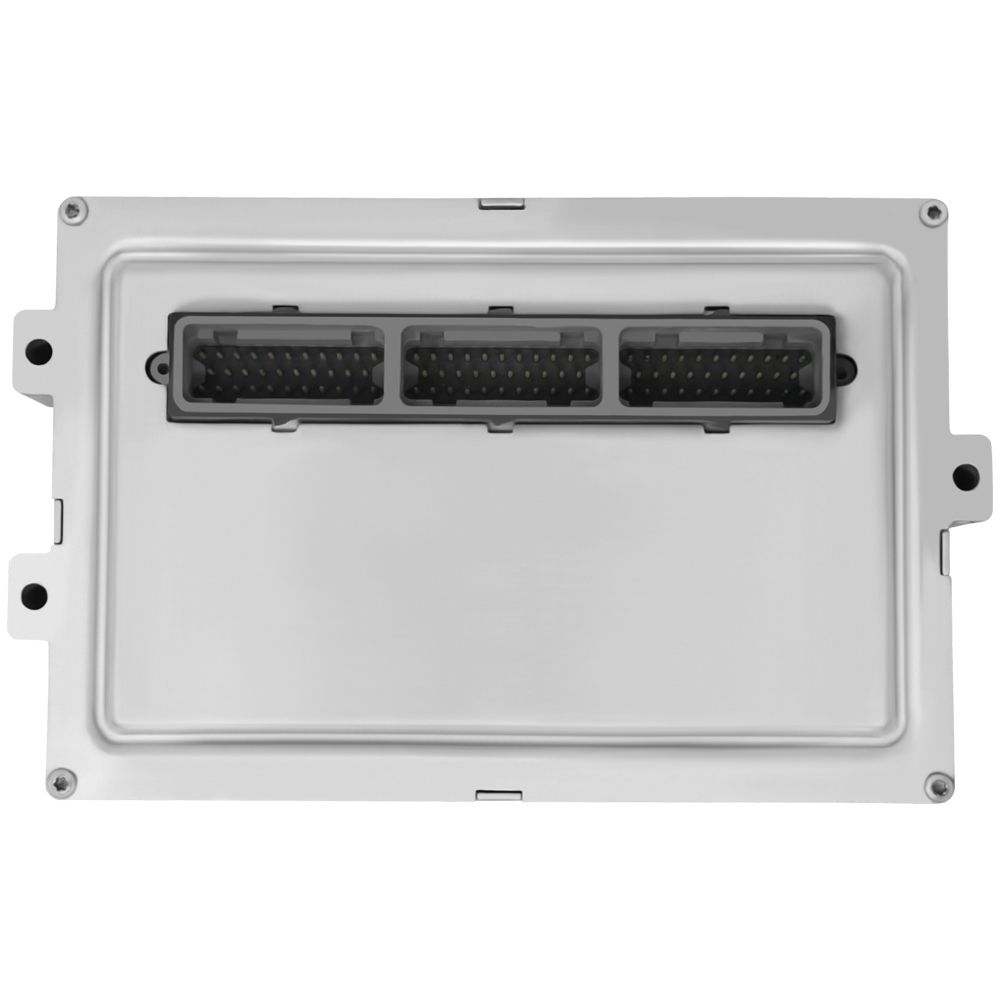
Flagship One stocks a refurbished, VIN-programmed PCM for the 2003 Dodge Viper with a lifetime warranty, free shipping and no core charge. The full Dodge Viper module lineup covers other engine configurations as well.
The 2003 Dodge Viper relies on its PCM for smooth engine and transmission operation, and addressing failures promptly can prevent further complications. Whether you opt for a DIY replacement or professional installation, understanding the process and symptoms helps you make informed decisions. With the right approach, your Viper can continue delivering the performance it’s known for.