
Last updated on August 25th, 2026 at 12:49 pm
The powertrain control module (PCM) in the 1999 Dodge Viper manages fuel delivery, ignition timing, and transmission shifts. Failure may lead to poor engine performance, stalling, or a complete no-start condition due to corrupted memory or electrical faults.
If your 1999 Dodge Viper is experiencing rough idling, stalling, or a failure to start, the powertrain control module (PCM) may be at fault. This critical component oversees engine and transmission operations, and when it malfunctions, drivability issues often follow. Replacing the PCM involves straightforward mechanical steps, but factory procedures also require specific programming to ensure proper function. Understanding the symptoms, replacement process, and post-install requirements can help you address the issue efficiently and avoid unnecessary downtime. Whether you’re diagnosing a no-start condition or preparing for a replacement, knowing what to expect will keep your Viper running as intended.
The powertrain control module (PCM) in the 1999 Dodge Viper acts as the brain of the engine and transmission, regulating fuel injection, ignition timing, and shift points. Without a functioning PCM, your vehicle may struggle to start, idle erratically, or shift unpredictably. Over time, electrical faults or corrupted memory can degrade performance, making replacement necessary. When sourcing a new module, you’ll need a unit designed for the Viper’s 8.0L engine, as replacement engine computers for the Viper must match the vehicle’s original specifications to ensure compatibility and proper operation.
1999 Dodge Viper
OEM programmed ECM for your 1999 Dodge Viper — plug & play, no dealer visit.
Free shipping · Lifetime warranty
In the 1999 Dodge Viper, the PCM is typically located near the engine bay, though exact placement may vary. Replacement involves disconnecting the battery, removing the module’s electrical connectors, and unbolting the unit from its mount. Labor time for PCM removal and reinstallation (R&R) is estimated at 0.5 hours. After installation, a relearn procedure is required, which also takes 0.5 hours. No specialized tools are specified, but ensuring clean electrical connections and proper torque on mounting bolts is critical to avoid future issues.
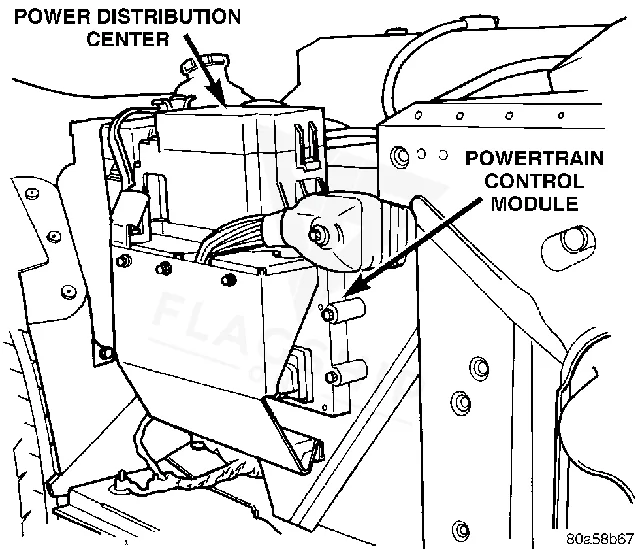
Work with the ignition off, and treat the module as static-sensitive: avoid touching the connector pins at any point.
| Operation | Configuration | Book Time |
|---|---|---|
| Engine Control Module Relearn | All configurations | 0.5 hr |
| Engine Control Module R&R | All configurations | 0.5 hr |
| Powertrain Control Module Relearn | All configurations | 0.5 hr |
| Powertrain Control Module R&R | All configurations | 0.5 hr |
After replacing the PCM in your 1999 Dodge Viper, the factory procedure requires connecting the positive battery cable at the power distribution center (PDC) and reprogramming the radio and clock. These steps ensure the module communicates correctly with the vehicle’s systems. However, a VIN-programmed replacement unit from Flagship One arrives pre-configured for your Viper, eliminating the need for additional programming. This allows for immediate installation and reduces the risk of post-replacement calibration errors.
A failing PCM in the 1999 Dodge Viper may cause a range of symptoms, including intermittent stalling, rough idling, or a complete no-start condition. You might also notice poor throttle response, erratic shifting, or the check engine light illuminating. Common trouble codes associated with PCM failure include internal control module memory checksum error, which indicates corrupted memory. If your scan tool fails to communicate with the PCM, the module itself may be unresponsive, requiring replacement to restore proper function.
The 1999 Dodge Viper’s PCM may log specific trouble codes when internal faults occur. These codes help diagnose issues like memory corruption or electrical failures, guiding repairs to restore drivability.
| Code | Meaning | Full Guide |
|---|---|---|
| P0601 | Internal memory checksum error | Full P0601 guide → |
| P0622 | Module-internal fault | Full P0622 guide → |
| P0645 | Module-internal fault | Full P0645 guide → |
| P1682 | Module-internal fault | Full P1682 guide → |
| P1696 | Module-internal fault | — |
Factory service bulletins for the 1999 Dodge Viper address PCM-related concerns, including spark knock when using 91-octane gasoline. Bulletin #18-019-03 recommends performing a flash update if the engine exhibits knocking under these conditions. Additionally, bulletin #18-037-05 outlines recovery procedures for flash programming failures using the DRBIII® scan tool. These bulletins highlight the importance of keeping the PCM updated to prevent drivability issues.
| Bulletin | Subject | What It Addresses |
|---|---|---|
| 18-019-03 | 18-019-03 Flash: Engine Spark Knock Using 91 Octane Gasoline | and is using premium 91 octane gasoline, perform |
| 18-037-05 | 18-037-05 Flash Programming Failure Recovery Using DRBIII® | — |
Intermittent stalling in your Viper may stem from a failing PCM, particularly if the module is experiencing memory corruption or electrical faults. The PCM controls fuel delivery and ignition timing, so disruptions in these functions can lead to stalling. A scan tool can help confirm if the PCM is logging related trouble codes.
Replacing the PCM involves disconnecting the battery, removing the module’s electrical connectors, and unbolting the unit. Labor time for removal and reinstallation is typically 0.5 hours. After installation, a relearn procedure is required, which also takes 0.5 hours. Proper electrical connections are essential to avoid future issues.
Yes, the factory procedure requires connecting the positive battery cable at the power distribution center (PDC) and reprogramming the radio and clock. However, a pre-programmed replacement unit eliminates the need for these steps, allowing for immediate installation.
If your 1999 Dodge Viper’s PCM has failed, you have options for replacement. A new or refurbished module can restore drivability, but factory programming requirements must be considered. Flagship One provides VIN-programmed units designed for the Viper, ensuring compatibility and reducing installation time. Whether you choose a repair or replacement, addressing the issue promptly will help maintain your vehicle’s performance.
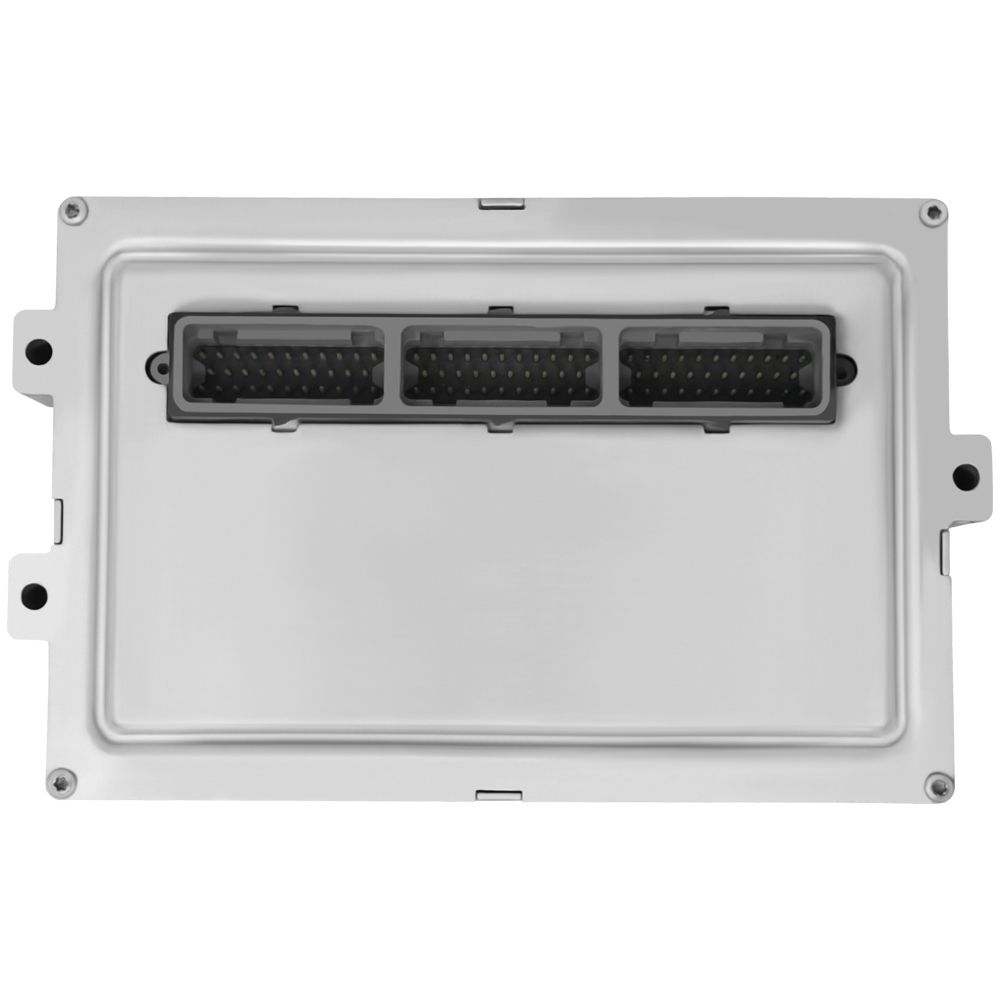
Flagship One stocks a refurbished, VIN-programmed PCM for the 1999 Dodge Viper with a lifetime warranty, free shipping and no core charge. The full Dodge Viper module lineup covers other engine configurations as well.
The 1999 Dodge Viper relies on its PCM to manage critical engine and transmission functions. If you’re experiencing stalling, misfires, or a no-start condition, the module may be at fault. Replacing it involves straightforward steps, but proper programming is essential for optimal performance. Consider a pre-configured replacement to simplify the process and get your Viper back on the road.