
Last updated on August 25th, 2026 at 12:50 pm
In the 1996 Dodge Neon, the Powertrain Control Module (PCM) and Engine Control Module (ECM) manage fuel delivery, ignition timing and emission controls. A failure in either computer can disrupt engine operation, trigger diagnostic codes and prevent the vehicle from meeting California emissions standards.
When a 1996 Dodge Neon begins to misfire, stall or refuse to start, the underlying cause often traces back to the vehicle’s computer systems. The Powertrain Control Module and Engine Control Module act as the brain for engine performance and emissions compliance. Understanding how these modules operate, what the factory recommends for relearn after a swap, and which service bulletins apply can help you diagnose the problem accurately and choose the right repair path. This guide walks you through the function of each module, where they reside, the labor involved in removal and installation, and the programming steps that follow. By the end, you will know how to verify that a replacement unit is correctly matched to your Neon and what to expect during the service process.
The Powertrain Control Module in a 1996 Dodge Neon oversees the coordination of engine and transmission functions, while the Engine Control Module focuses on fuel injection, ignition timing and emission monitoring. Both computers receive input from sensors such as the throttle position, oxygen and crankshaft speed, then calculate the optimal commands to keep the engine running smoothly and within regulatory limits. Because the Neon uses a single integrated unit for many control tasks, any malfunction can produce a cascade of symptoms ranging from idle roughness to complete loss of power. Proper operation of these modules is essential for fuel economy, emissions compliance and overall drivability. The module’s software also stores calibration data that must match the vehicle’s VIN, which is why replacement engine computers for the 1996 Dodge Neon are often programmed at the factory before shipping.
1996 Dodge Neon
OEM programmed ECM for your 1996 Dodge Neon — plug & play, no dealer visit.
Free shipping · Lifetime warranty
The PCM/ECM sits beneath the passenger‑side dashboard, bolted to a metal bracket and connected by a multi‑pin harness. Removing the unit typically requires disconnecting the negative battery cable, unfastening the mounting bolts and gently pulling the connector free. The factory book time for a removal and reinstall is listed as 0.5 hours for each operation, reflecting the straightforward access path once the interior trim is lifted. After the old module is taken out, the replacement is positioned in the same bracket, the connector is re‑attached, and the bolts are torqued to the manufacturer’s specification. A final reconnection of the battery completes the physical install before any software steps are performed.
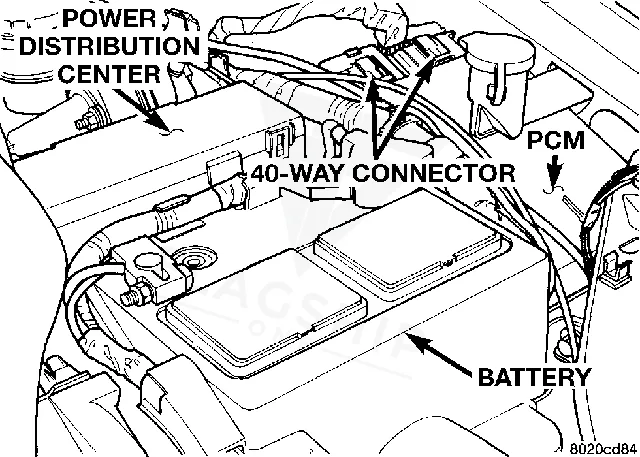
Work with the ignition off, and treat the module as static-sensitive: avoid touching the connector pins at any point.
| Operation | Configuration | Book Time |
|---|---|---|
| Engine Control Module Relearn | All configurations | 0.5 hr |
| Engine Control Module R&R | All configurations | 0.5 hr |
| Powertrain Control Module Relearn | All configurations | 0.5 hr |
| Powertrain Control Module R&R | All configurations | 0.5 hr |
Following a PCM or ECM swap in the Neon, the factory procedure calls for a relearn of the control module to synchronize sensor data and adapt to the new hardware. The service bulletins specify a 0.5‑hour relearn for both the PCM and ECM. When you choose a Flagship One unit, the replacement arrives already programmed to the vehicle’s VIN, so those relearn steps are effectively completed at the factory. This means the technician only needs to perform the standard 0.5‑hour post‑install procedure, confirming communication with a scan tool and verifying that no pending codes remain. The a VIN-programmed replacement unit therefore streamlines the service and reduces shop time.
A failing PCM or ECM in the 1996 Dodge Neon may manifest as an engine that cranks but does not start, intermittent stalling at idle, rough acceleration, or unexpected transmission shift delays. Diagnostic trouble codes often appear on the scan tool, indicating loss of communication with the control module or sensor‑input errors. You might also notice the Check Engine Light flashing, a sudden drop in fuel efficiency, or the vehicle failing a California emissions test. In some cases, the engine may run but exhibit irregular timing that triggers misfire codes, leading to reduced power and increased emissions.
Service bulletin Rc‑678‑96 outlines a California emissions recall that requires reprogramming of the Powertrain Control Module. Bulletin 18‑037‑05 provides procedures for recovering a flash‑programming failure using the DRBIII® tool.
| Bulletin | Subject | What It Addresses |
|---|---|---|
| — | Rc-678-96 California Emissions Recall #678 — Reprogram Powertrain Control Module | — |
| 18-037-05 | 18-037-05 Flash Programming Failure Recovery Using DRBIII® | — |
Physically swapping the PCM is possible without a scan tool, but you will still need a diagnostic device to verify communication and complete the required relearn after installation.
The recall mandates a reprogramming of the Powertrain Control Module to bring the vehicle into compliance with state emissions standards.
For someone familiar with the Neon’s interior layout, the half‑hour estimate reflects the straightforward bolt and connector removal once the dashboard trim is lifted.
Yes, because the unit arrives pre‑loaded with the correct software, the flash‑recovery procedure is not required during installation.
Codes related to communication loss, sensor mismatches or internal module failures often appear when the PCM is malfunctioning.
When the Neon’s computer fails, you can either have the original unit repaired or install a refurbished replacement. Both options restore functionality, but a Flagship One unit arrives VIN‑programmed, eliminating the factory relearn steps and reducing shop time. Evaluate the condition of the existing module and choose the path that best fits your service schedule.
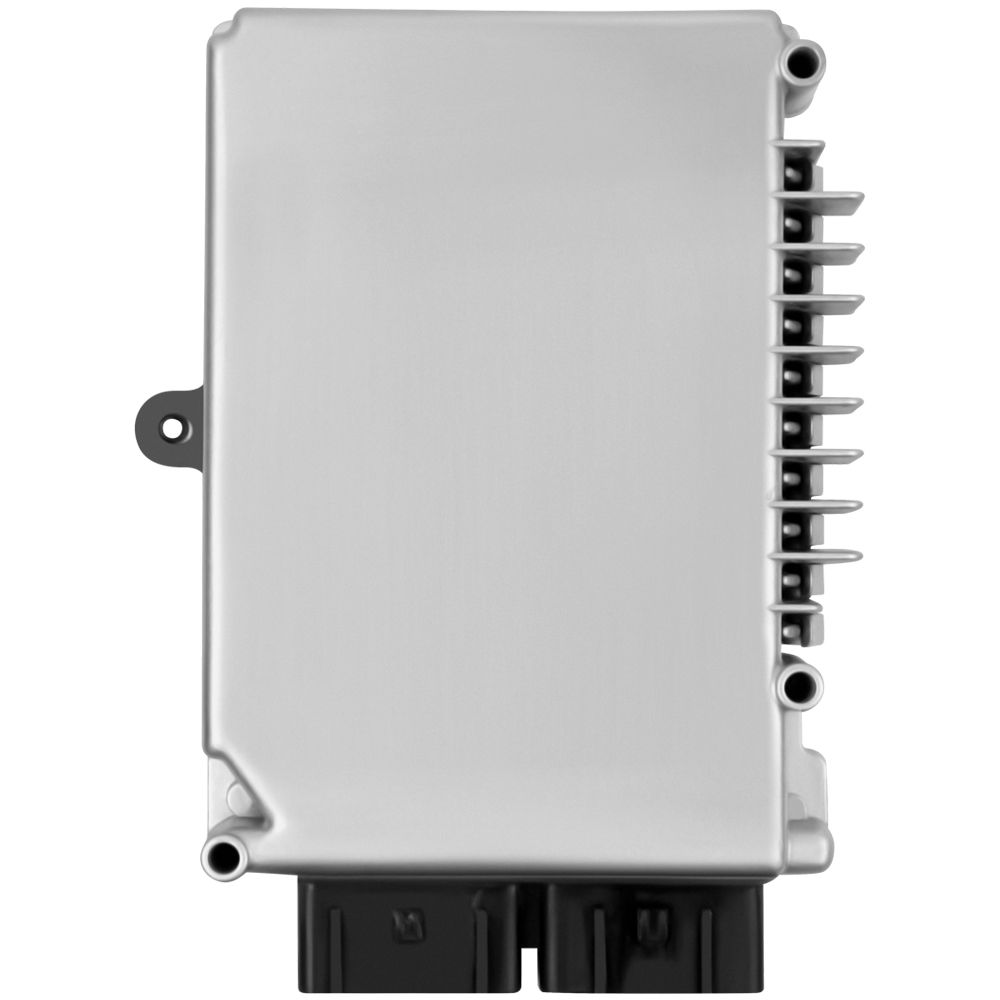
Flagship One stocks a refurbished, VIN-programmed PCM for the 1996 Dodge Neon with a lifetime warranty, free shipping and no core charge. The full Dodge Neon module lineup covers other engine configurations as well.
The 1996 Dodge Neon relies on a properly functioning PCM and ECM for reliable performance and emissions compliance. Whether you opt for repair or a pre‑programmed replacement, addressing the issue promptly will keep your vehicle running smoothly. Consider a Flagship One unit to simplify the post‑install process.