
Last updated on August 25th, 2026 at 12:51 pm
The powertrain control module (PCM) in your 1994 Dodge Spirit acts as the brain for engine and transmission functions. Failures may stem from voltage spikes, corrosion, or internal wear, leading to erratic performance or complete shutdowns.
If your 1994 Dodge Spirit has been acting up—stalling unexpectedly, refusing to start, or running rough—you may be dealing with a failing powertrain control module (PCM). This critical component oversees everything from fuel injection to transmission behavior, and when it malfunctions, your vehicle’s performance suffers. Replacing the PCM isn’t just about swapping a part; it involves precise installation and a relearn process to ensure everything communicates correctly. Understanding what the PCM does, where it’s located, and what to expect during replacement can save you time and frustration. Whether you’re troubleshooting symptoms or preparing for a repair, knowing these details helps you make informed decisions about your vehicle’s needs.
The powertrain control module (PCM) in your 1994 Dodge Spirit is the central computer responsible for managing engine and transmission operations. It processes data from sensors to adjust fuel delivery, ignition timing, and shift points, ensuring optimal performance and efficiency. Without a functioning PCM, your vehicle may struggle to start, idle erratically, or shift unpredictably. This module is particularly important in pre-OBD-II vehicles like yours, where onboard diagnostics are less sophisticated but still critical for drivability. When the PCM fails, it often disrupts multiple systems simultaneously, making diagnosis more challenging. If replacement becomes necessary, you’ll want replacement powertrain control modules for the Dodge Spirit that are compatible with your vehicle’s specifications. A properly functioning PCM ensures smooth operation and prevents long-term damage to other components like the transmission or catalytic converter.
1994 Dodge Spirit
OEM programmed ECM for your 1994 Dodge Spirit — plug & play, no dealer visit.
Free shipping · Lifetime warranty
The PCM in your 1994 Dodge Spirit is located near the powertrain, with its connector positioned adjacent to the module itself. Replacing it involves disconnecting the electrical connector, removing the mounting hardware, and installing the new unit. According to labor guides, the removal and replacement (R&R) process typically takes 0.5 hours. The relearn procedure, which ensures the new PCM synchronizes with your vehicle’s systems, also requires an additional 0.5 hours. Accessing the module may require removing surrounding components, but the process is straightforward for a technician familiar with the vehicle. Always ensure the connector terminals are clean and secure to prevent future electrical issues.
| Operation | Configuration | Book Time |
|---|---|---|
| Engine Control Module Relearn | All configurations | 0.5 hr |
| Engine Control Module R&R | All configurations | 0.5 hr |
| Powertrain Control Module Relearn | All configurations | 0.5 hr |
| Powertrain Control Module R&R | All configurations | 0.5 hr |
After installing a new PCM in your 1994 Dodge Spirit, the vehicle requires a relearn procedure to ensure proper communication between the module and the engine’s sensors. This process, which typically takes 0.5 hours, allows the PCM to adapt to your specific vehicle’s parameters. However, if you opt for a VIN-programmed replacement unit, these steps are already completed before the part arrives. This eliminates the need for on-site flashing or additional programming, saving you time and reducing the risk of errors during installation. The relearn procedure is still recommended for used modules or those not pre-programmed, but with a Flagship One unit, you can skip this step entirely.
A failing PCM in your 1994 Dodge Spirit may cause a range of symptoms that can be frustrating and unpredictable. Common signs include intermittent stalling, especially at idle or during deceleration, as the module struggles to maintain proper fuel and ignition timing. You might also experience a no-start condition, where the engine cranks but fails to fire, often due to incorrect fuel delivery or spark signals. Poor acceleration or hesitation under load can indicate the PCM isn’t adjusting air-fuel ratios correctly. In some cases, the transmission may shift erratically or fail to engage gears properly, as the PCM also controls shift points. Another telltale sign is a complete loss of communication with a scan tool, leaving you unable to retrieve any diagnostic data. If your vehicle exhibits an internal control module memory check failure, it’s a strong indicator that the PCM is malfunctioning and may need replacement. These symptoms often worsen over time, so addressing them promptly can prevent further drivability issues.
Factory service bulletin #18-037-05 outlines procedures for recovering from flash programming failures using the DRBIII scan tool. This bulletin is particularly relevant if the PCM in your 1994 Dodge Spirit encounters issues during software updates or relearn procedures. Following the steps in this bulletin can help restore functionality if the module fails to communicate or operate correctly after programming attempts.
| Bulletin | Subject | What It Addresses |
|---|---|---|
| 18-037-05 | 18-037-05 Flash Programming Failure Recovery Using DRBIII® | — |
Stalling at idle is often caused by a failing PCM that can’t maintain proper fuel or ignition timing. The module may struggle to adjust to changing engine loads, leading to sudden shutdowns. Other potential causes include vacuum leaks or faulty sensors, but a PCM issue should be ruled out first.
While the physical replacement is straightforward, the relearn procedure requires specialized tools and knowledge. If you’re not familiar with scan tools or programming, it’s best to have a professional handle the installation to avoid communication errors or drivability issues.
A failing PCM often causes multiple symptoms simultaneously, such as stalling, poor acceleration, and transmission issues. If only one sensor is malfunctioning, the symptoms are usually more isolated. A scan tool can help identify whether the PCM is generating internal fault codes.
Without the relearn procedure, your 1994 Dodge Spirit may experience poor drivability, including rough idling, hesitation, or incorrect shift points. The PCM needs to synchronize with the engine’s sensors to function properly, and skipping this step can lead to long-term performance issues.
A new or remanufactured PCM with VIN programming is the most reliable option, as it eliminates the risk of inheriting issues from a previous vehicle. Used modules may require additional programming and could fail sooner, leading to repeated repairs.
If your 1994 Dodge Spirit is showing signs of PCM failure, you have options for repair or replacement. A remanufactured unit with VIN programming ensures compatibility and eliminates the need for on-site flashing, saving you time and hassle. Whether you choose to tackle the replacement yourself or leave it to a professional, understanding the process helps you make the best decision for your vehicle’s longevity.
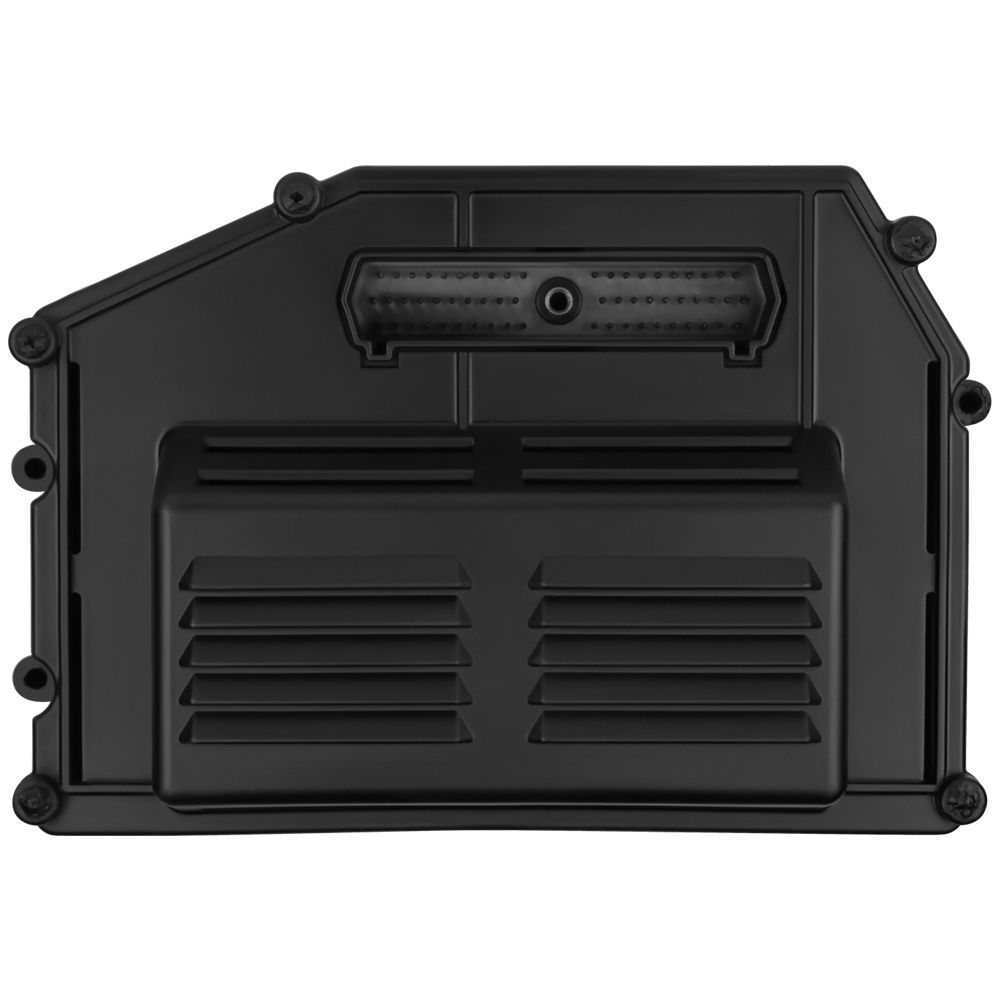
Flagship One stocks a refurbished, VIN-programmed PCM for the 1994 Dodge Spirit with a lifetime warranty, free shipping and no core charge. The full Dodge Spirit module lineup covers other engine configurations as well.
The PCM in your 1994 Dodge Spirit plays a critical role in keeping your vehicle running smoothly. If you’re experiencing stalling, no-start conditions, or other drivability issues, a failing module may be the culprit. Replacing it with a VIN-programmed unit ensures a hassle-free installation and reliable performance. Addressing PCM problems promptly can prevent further damage and keep your Spirit on the road for years to come.