
Last updated on August 25th, 2026 at 12:51 pm
The Powertrain Control Module (PCM) in your 1992 Dodge Ramcharger acts as the brain for the 5.2L V8, managing fuel delivery, ignition timing, and emissions systems. Failures often stem from age-related circuit corrosion, voltage spikes, or connector wear, leading to drivability issues.
If your 1992 Dodge Ramcharger has begun running rough, refusing to start, or shifting unpredictably, the Powertrain Control Module (PCM) may be the culprit. This small but critical computer manages nearly every aspect of the 5.2L V8’s operation, from spark timing to fuel mixture. Over time, exposure to heat, moisture, and electrical fluctuations can degrade its performance. Replacing the PCM isn’t just about swapping a part—it involves ensuring the new unit communicates correctly with the vehicle’s sensors and transmission. Understanding the role of this module, how to spot its failures, and what the replacement process entails can save you time and frustration. Whether you’re diagnosing a no-start condition or addressing intermittent stalling, knowing the ins and outs of the Ramcharger’s PCM helps you make informed decisions about repairs and maintenance.
In your 1992 Dodge Ramcharger, the Powertrain Control Module (PCM) serves as the central command center for the 5.2L V8 engine and its associated systems. It continuously monitors inputs from sensors measuring throttle position, engine temperature, oxygen levels, and crankshaft speed, then adjusts fuel injection, ignition timing, and idle speed accordingly. The PCM also plays a key role in managing the automatic transmission’s shift points, ensuring smooth operation under varying loads. Without a functioning PCM, the engine may run poorly or fail to start altogether. Because this module integrates so many critical functions, its reliability directly impacts drivability and emissions compliance. When replacement becomes necessary, opting for replacement engine computers for the Ramcharger ensures compatibility with your vehicle’s specific calibration, avoiding the need for extensive reprogramming or adaptation procedures.
1992 Dodge Ramcharger 5.2L: When the
OEM programmed replacements — plug & play, no dealer visit.
Find yours by year, make & model →
Free shipping · Lifetime warranty
The Powertrain Control Module in your 1992 Dodge Ramcharger is typically mounted inside the passenger cabin, often beneath the dashboard or behind the glove compartment. Accessing it may require removing interior trim panels or the lower dash cover, depending on the exact configuration. Once exposed, the module is secured with a few bolts or screws, and its electrical connector is released by pressing a locking tab. Replacement involves transferring any necessary components from the old unit to the new one, such as calibration chips or jumpers, before reinstalling and securing the module. The factory labor time for the PCM relearn procedure is 0.5 hours, which ensures the new module synchronizes with the vehicle’s sensors and transmission. Proper torque on mounting hardware and a secure electrical connection are essential to prevent future issues.
| Operation | Configuration | Book Time |
|---|---|---|
| Powertrain Control Module Relearn | D150 | 0.5 hr |
| Powertrain Control Module Relearn | D250 | 0.5 hr |
| Powertrain Control Module Relearn | D350 | 0.5 hr |
| Powertrain Control Module Relearn | Ram 50 | 0.5 hr |
| Powertrain Control Module Relearn | Ramcharger | 0.5 hr |
| Powertrain Control Module Relearn | W150 | 0.5 hr |
| Powertrain Control Module Relearn | W250 | 0.5 hr |
| Powertrain Control Module Relearn | W350 | 0.5 hr |
After installing a new Powertrain Control Module in your 1992 Dodge Ramcharger, the factory procedure requires a relearn process to ensure the module communicates correctly with the engine and transmission. This typically involves using a scan tool to reset adaptive values and confirm proper sensor calibration. However, when you opt for a VIN-programmed replacement unit, these steps are already completed, eliminating the need for additional programming. The module arrives pre-configured to match your vehicle’s specific engine and transmission setup, allowing for a straightforward installation. This not only saves time but also reduces the risk of errors during the relearn process, ensuring your Ramcharger runs as intended from the moment the new PCM is installed.
A failing Powertrain Control Module in your 1992 Dodge Ramcharger may exhibit a range of symptoms that can mimic other issues, making diagnosis tricky. Common signs include intermittent stalling, especially when the engine is warm, or a no-start condition where the engine cranks but fails to fire. You might also notice erratic shifting in the automatic transmission, such as harsh or delayed gear changes, or the engine running excessively rich or lean, leading to poor fuel economy and rough idle. In some cases, the vehicle may enter a limp-home mode, limiting engine power to prevent further damage. Electrical issues, such as flickering dashboard lights or intermittent sensor failures, can also point to PCM problems. If the module loses communication with the scan tool, it may indicate internal failure or a faulty connection. While these symptoms can stem from other causes, persistent or worsening issues often lead back to the PCM, particularly in high-mileage vehicles where age-related wear is a factor.
Factory service bulletin #18-037-05 addresses flash programming failure recovery for certain Dodge vehicles using the DRBIII scan tool. While this bulletin primarily focuses on later models, the principles outlined for recovering a failed programming attempt may apply to the 1992 Ramcharger’s PCM in specific scenarios. The procedure involves steps to reset the module and restore proper communication, which can be useful if the PCM becomes unresponsive during a programming attempt or after a voltage spike. Always ensure the battery is fully charged and connections are secure before attempting any programming or recovery process.
| Bulletin | Subject | What It Addresses |
|---|---|---|
| 18-037-05 | 18-037-05 Flash Programming Failure Recovery Using DRBIII® | — |
Intermittent stalling in your Ramcharger may stem from a failing PCM, particularly if the issue occurs when the engine is warm or under load. The PCM controls fuel delivery and ignition timing, so erratic behavior in these systems can lead to stalling. Other potential causes include faulty sensors or fuel pump issues, but persistent stalling often points to the PCM, especially in high-mileage vehicles.
Distinguishing between a bad PCM and a faulty sensor can be challenging. If multiple sensors fail simultaneously or the scan tool loses communication with the PCM, the module itself may be the issue. However, if only one sensor is malfunctioning, the problem is likely isolated to that component. Testing sensor signals and checking for consistent voltage at the PCM connector can help narrow down the cause.
Driving with a failing PCM may lead to further issues, such as poor fuel economy, engine misfires, or transmission damage due to erratic shifting. While the vehicle may still run, prolonged operation with a faulty PCM can stress other components. If you suspect PCM problems, it’s best to address them promptly to avoid more costly repairs down the line.
Replacing the PCM in your 1992 Dodge Ramcharger requires basic hand tools, such as a socket set and screwdrivers, to remove interior trim panels and access the module. A scan tool may also be needed for the relearn procedure. While the physical replacement is straightforward, ensuring proper programming and synchronization with the vehicle’s systems is critical. If you’re comfortable with electrical work and following detailed instructions, it can be a DIY job.
The PCM in your Ramcharger plays a key role in managing transmission shift points, so erratic shifting may indicate a module issue. If the PCM fails to communicate properly with the transmission control module or receives incorrect sensor data, it can lead to harsh or delayed shifts. Other potential causes include low transmission fluid or a failing shift solenoid, but persistent shifting problems often point to the PCM.
If your 1992 Dodge Ramcharger is experiencing persistent drivability issues, replacing the Powertrain Control Module may be the solution. While a repair shop can diagnose and install a new unit, opting for a pre-programmed replacement eliminates the need for additional programming steps. This ensures your Ramcharger’s engine and transmission operate smoothly from the moment the new module is installed. Whether you choose a refurbished unit or a new replacement, addressing PCM issues promptly can restore your vehicle’s performance and reliability.
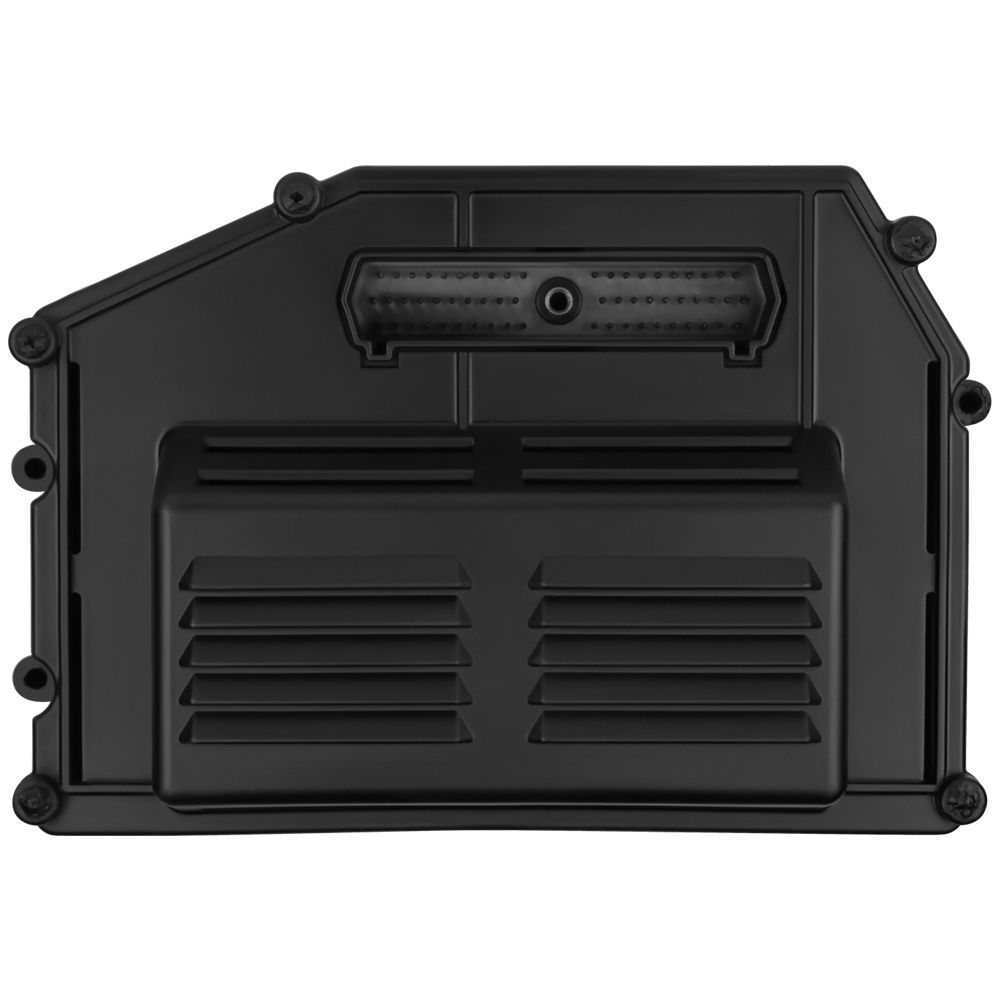
Flagship One stocks a refurbished, VIN-programmed PCM for the 1992 Dodge Ramcharger with a lifetime warranty, free shipping and no core charge. The full Dodge Ramcharger module lineup covers other engine configurations as well.
The Powertrain Control Module in your 1992 Dodge Ramcharger is a critical component that ensures smooth engine and transmission operation. If you’re dealing with stalling, no-start conditions, or erratic shifting, the PCM may be the root cause. Replacing it with a pre-programmed unit simplifies the process and gets your vintage SUV back on the road. Regular maintenance and prompt attention to electrical issues can help extend the life of your Ramcharger’s PCM and keep it running reliably for years to come.