
Last updated on August 25th, 2026 at 12:51 pm
The Powertrain Control Module in your 1992 Dodge RAM 150 is the central computer managing fuel delivery, ignition timing, and emissions controls on this pre-OBD-II vehicle. Heat cycles, voltage spikes, and component aging can cause internal failures, leading to drivability issues or complete engine shutdown.
Powertrain control module issues on a 1992 Dodge RAM 150 often leave owners stranded or dealing with unexplained performance problems. This guide explains how the PCM operates in your specific truck, the symptoms that typically point to module failure, and what the replacement process involves. Understanding these basics helps you make informed repair decisions and recognize when the PCM itself—rather than simpler issues—is actually at fault. Pre-OBD-II vehicles like this RAM 150 have different diagnostic approaches than later models, and knowing what to expect from the replacement procedure can save confusion during the repair. Whether you are diagnosing a no-start condition or planning a proactive replacement, the information here gives you a solid foundation without unnecessary complexity.
The Powertrain Control Module serves as the brain of your 1992 Dodge RAM 150’s engine management system. This unit processes input from various sensors—including the manifold absolute pressure sensor, throttle position sensor, and coolant temperature sensor—to calculate optimal fuel injector pulse width and ignition advance for the 3.9L V6 engine. Unlike later OBD-II systems with standardized diagnostics, this pre-OBD-II controller uses a proprietary internal architecture that monitors its own memory and processing integrity. The module’s programming resides in non-volatile memory that retains data even when battery power is removed. Over time, thermal stress and electrical transients can degrade the internal circuitry, potentially corrupting calibration constants or causing complete processor failure. Replacement engine computers for the 1992 RAM 150 must be matched to the correct calibration for your specific engine and transmission combination to ensure proper operation of all linked systems.
Flagship One keeps Dodge RAM 150 replacement engine computers in stock for exactly this failure pattern.
1992 Dodge RAM 150
OEM programmed ECM for your 1992 Dodge RAM 150 — plug & play, no dealer visit.
Free shipping · Lifetime warranty
The Powertrain Control Module on your 1992 Dodge RAM 150 typically mounts inside the passenger compartment, often beneath the dashboard on the driver’s side or behind the glove box area, where it stays protected from engine bay heat but still experiences temperature swings. Replacement involves disconnecting the negative battery terminal first to prevent electrical damage, then removing the faulty unit from its mounting bracket and carefully unplugging the wiring harness connector. The labor standard for the relearn procedure following replacement is 0.5 hours according to factory service information. After installing your new or refurbished module, you will need to reconnect the battery and perform the manufacturer-specified relearn sequence to allow the PCM to establish communication with the vehicle’s sensors and subsystems. Factory service procedures outline specific steps for this initialization period that must be followed to ensure proper adaptation values are learned.
| Operation | Configuration | Book Time |
|---|---|---|
| Powertrain Control Module Relearn | D150 | 0.5 hr |
| Powertrain Control Module Relearn | D250 | 0.5 hr |
| Powertrain Control Module Relearn | D350 | 0.5 hr |
| Powertrain Control Module Relearn | Ram 50 | 0.5 hr |
| Powertrain Control Module Relearn | Ramcharger | 0.5 hr |
| Powertrain Control Module Relearn | W150 | 0.5 hr |
| Powertrain Control Module Relearn | W250 | 0.5 hr |
| Powertrain Control Module Relearn | W350 | 0.5 hr |
After installing a replacement module in your 1992 Dodge RAM 150, the factory service procedure requires a relearn period during which the PCM monitors sensor inputs and adjusts its internal parameters to match your specific engine. This adaptation process typically takes a short driving cycle under varied conditions. One key advantage of purchasing from Flagship One is that units arrive as a VIN-programmed replacement unit ready to install, which means the relearn procedure focuses on sensor calibration rather than re-establishing base vehicle identification. You should still perform the complete factory relearn sequence as outlined in official service documentation to ensure all drive cycle adaptations complete properly and the engine runs smoothly across all operating conditions.
Every VIN-programmed replacement unit from Flagship One arrives with these steps already completed.
When the Powertrain Control Module fails on your 1992 Dodge RAM 150, you may experience several distinct symptoms. A no-start condition occurs when the PCM fails to activate the fuel pump or trigger ignition, leaving the engine cranking without combustion. Intermittent stalling or rough running develops when internal processing errors cause incorrect fuel or spark commands. Some owners report multiple trouble codes appearing across different subsystems, even when individual sensors test good, which points toward corrupted data within the module itself. In other cases, scan tools may fail to communicate with the vehicle entirely, eliminating normal diagnostic access. Shifting irregularities in automatic transmission models may also occur if the PCM loses control over transmission clutch apply solenoids. P0601 memory checksum error indicates internal memory validation failures within the module’s processor.
Factory service bulletin 18-037-05 addresses flash programming failure recovery for affected Chrysler products, including models like your 1992 Dodge RAM 150. This bulletin provides guidance when the PCM fails to accept new calibration data during programming attempts. The recommended recovery procedure involves specific steps to reset the module’s programming state and retry the flash operation using the DRBIII diagnostic tool. Technicians following this bulletin can recover most programming failures without replacing the module, though hardware faults may still require physical replacement. Refer to the complete bulletin text for the exact recovery sequence and tool requirements.
| Bulletin | Subject | What It Addresses |
|---|---|---|
| 18-037-05 | 18-037-05 Flash Programming Failure Recovery Using DRBIII® | — |
A used module may require reprogramming to match your specific vehicle’s VIN and calibration, which typically requires a dealer or specialized tuner. Even then, internal reliability of a used unit is unknown, and you may still need to perform the relearn procedure.
Consistently low voltage from a failing charging system can stress the PCM over time and may cause intermittent symptoms. If you suspect charging system issues, have the battery and alternator tested before assuming the PCM itself is faulty.
The mechanical replacement can often be performed by a competent independent shop. However, you will need access to proper diagnostic equipment to perform the relearn procedure and verify system operation after installation.
Deciding between repair and replacement for your 1992 Dodge RAM 150’s Powertrain Control Module depends on the specific failure mode and your diagnostic findings. Internal electronic failures typically require complete replacement rather than repair. A refurbished unit from a reputable supplier may offer cost savings, but ensure it comes with proper programming for your vehicle. Flagship One provides VIN-programmed replacements designed to install directly into your specific truck without additional programming hassle, backed by warranty coverage for peace of mind.
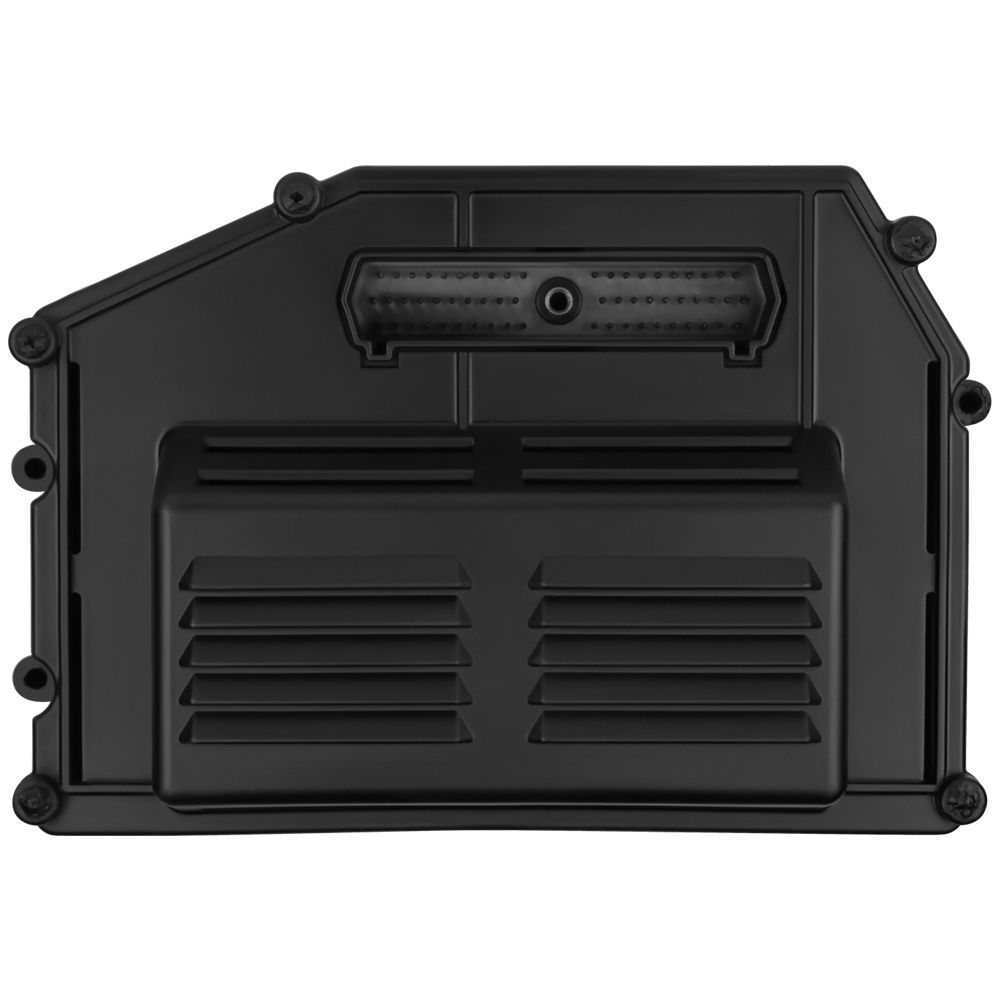
Flagship One stocks a refurbished, VIN-programmed PCM for the 1992 Dodge RAM 150 with a lifetime warranty, free shipping and no core charge. The full Dodge RAM 150 module lineup covers other engine configurations as well.
The Powertrain Control Module in your 1992 Dodge RAM 150 plays a critical role in engine operation, and recognizing the signs of failure helps you address problems before being stranded. Whether you pursue replacement yourself or through a shop, understanding the relearn requirements ensures the repair goes smoothly. Consider a quality replacement unit to restore reliable operation to your truck.