
Last updated on August 25th, 2026 at 12:54 pm
The powertrain control module (PCM) in your 1999 Chrysler Sebring acts as the vehicle’s central computer, managing engine performance and transmission behavior. When it fails, you may experience erratic idling, stalling, or complete no-start conditions due to disrupted fuel, spark, or shift timing.
If your 1999 Chrysler Sebring has begun stalling unexpectedly or refusing to start, the powertrain control module (PCM) may be the culprit. This small but critical computer oversees everything from fuel delivery to transmission shifts, and when it malfunctions, the effects can range from subtle performance issues to complete immobilization. Replacing the PCM involves more than just swapping hardware—it requires precise reprogramming to match your vehicle’s original settings. Understanding the process helps you anticipate labor costs and avoid unnecessary delays. This guide explains what the PCM does, where it’s located, and what steps are needed to restore proper function after replacement. You’ll also learn how to recognize failure symptoms early and what preventive measures can extend the life of a new module.
In the 1999 Chrysler Sebring, the powertrain control module (PCM) serves as the brain of the drivetrain, coordinating engine and transmission operations to ensure smooth acceleration and efficient fuel use. It continuously monitors sensors for throttle position, engine speed, and air intake, adjusting fuel injection and ignition timing in real time. The PCM also manages transmission shift points, preventing harsh or delayed gear changes. When this module fails, the vehicle may run poorly or not at all, as critical signals to injectors, coils, and solenoids become erratic or cease entirely. Replacing it with replacement engine computers for the Sebring ensures compatibility with your vehicle’s specific calibration, but proper installation and programming are essential to avoid drivability issues. Without a functioning PCM, even basic functions like idling or cruising at steady speeds may become unreliable.
1999 Chrysler Sebring
OEM programmed replacements — plug & play, no dealer visit.
Find yours by year, make & model →
Free shipping · Lifetime warranty
The PCM in your 1999 Chrysler Sebring is mounted inside the engine compartment, typically near the firewall or strut tower. Accessing it requires removing a protective cover or air intake components, depending on the body style. For coupe models, replacement is estimated at 0.7 hours of labor, while convertible models require 0.4 hours due to slightly different routing of wiring harnesses. The powertrain control module is secured with a single connector and mounting bolts, which must be carefully removed to avoid damaging the pins. Once disconnected, the new unit can be installed in reverse order, though factory procedures mandate additional steps to ensure proper function. Torque specifications for the mounting hardware are critical to prevent vibration-related issues, though exact values are not always published. Always disconnect the battery before handling the PCM to avoid electrical shorts or accidental reprogramming errors.
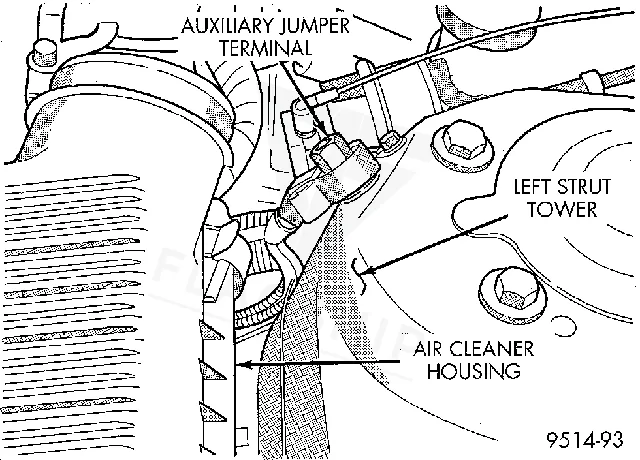
Work with the ignition off, and treat the module as static-sensitive: avoid touching the connector pins at any point.
| Operation | Configuration | Book Time |
|---|---|---|
| Powertrain Control Module Relearn | All configurations | 0.5 hr |
| Powertrain Control Module R&R | Coupe | 0.6 hr |
| Powertrain Control Module R&R | Convertible | 0.4 hr |
| Engine Control Module Relearn | All configurations | 0.5 hr |
| Engine Control Module R&R | Coupe | 0.7 hr |
| Engine Control Module R&R | Convertible | 0.4 hr |
After installing a new PCM in your 1999 Chrysler Sebring, the factory procedure requires reprogramming the module with your vehicle’s original VIN and mileage using the DRB scan tool. This step ensures the computer recognizes the vehicle’s specific configuration and prevents calibration mismatches that could lead to poor performance or diagnostic errors. Without this programming, the engine may run roughly, fail emissions tests, or trigger false trouble codes. Flagship One units arrive as a VIN-programmed replacement unit, eliminating the need for this step and allowing you to focus on mechanical installation. However, if you source a module elsewhere, you’ll need to allocate additional time for the reprogramming process, which may require a dealership visit if you lack the necessary equipment. Always verify that the new PCM matches your vehicle’s original calibration to avoid compatibility issues.
A failing PCM in your 1999 Chrysler Sebring often announces itself through a range of drivability issues. One of the most common signs is intermittent stalling, particularly at idle or during deceleration, as the module loses its ability to regulate fuel and spark timing. You may also notice the engine misfiring under load, accompanied by a rough idle or hesitation during acceleration. In some cases, the vehicle may refuse to start entirely, leaving you with a cranking engine that never fires. Scan tool communication failures are another red flag, as the PCM may stop responding to diagnostic requests or return incomplete data. Transmission shifting problems, such as delayed or harsh gear changes, can also indicate PCM trouble, though these symptoms may overlap with transmission issues. If the module’s internal memory corrupts, you might see a checksum error code, signaling that the computer’s self-test has failed. Other common codes include P0300 (random misfire) or P0700 (transmission control system malfunction), though these can stem from other causes as well. Addressing these symptoms promptly can prevent further damage to sensors or actuators controlled by the PCM.
Chrysler issued service bulletins addressing PCM-related concerns in the 1999 Sebring. Bulletin #08-030-06 Rev. A covers Powertrain Control Module Initialization, outlining the steps required to properly configure a new or replacement module. Another bulletin, #18-037-05, details Flash Programming Failure Recovery Using the DRBIII scan tool, which may be necessary if reprogramming attempts fail or the module becomes unresponsive during updates. These bulletins emphasize the importance of following factory procedures to avoid drivability issues or diagnostic errors after replacement.
| Bulletin | Subject | What It Addresses |
|---|---|---|
| 08-030-06 Rev. A | 08-030-06 Rev. A Powertrain Control Module Initialization | — |
| 18-037-05 | 18-037-05 Flash Programming Failure Recovery Using DRBIII® | — |
Stalling after PCM replacement often occurs if the module wasn’t properly programmed with the vehicle’s VIN and mileage. Without this step, the computer may not recognize the engine’s calibration, leading to incorrect fuel or spark timing. A DRB scan tool is required to complete the initialization process.
Driving with a P0601 code (internal control module memory checksum error) is possible, but the vehicle may run poorly or stall unexpectedly. The PCM’s ability to regulate engine functions may be compromised, so it’s best to address the issue promptly to avoid further drivability problems.
A faulty PCM often causes multiple sensors to fail simultaneously or sets generic codes like P0601. If individual sensors (e.g., oxygen or throttle position sensors) are the only components throwing codes, the PCM may still be functional. However, if the scan tool can’t communicate with the PCM at all, the module itself is likely the problem.
Without reprogramming, the new PCM won’t recognize your vehicle’s specific calibration, leading to poor engine performance, rough shifting, or even a no-start condition. The module may also set false trouble codes or fail to communicate with the scan tool, making diagnostics difficult.
In this vehicle, the terms PCM (powertrain control module) and ECM (engine control module) are often used interchangeably, as the same unit controls both engine and transmission functions. However, some documentation may refer to it as an ECM when focusing solely on engine management.
If your 1999 Chrysler Sebring is experiencing PCM-related issues, you have options for repair or replacement. While a dealership may offer a new module, refurbished units provide a cost-effective alternative without sacrificing reliability. Flagship One’s replacement engine computers for the Sebring arrive pre-programmed with your vehicle’s VIN, reducing installation time and eliminating the need for additional reprogramming. Whether you choose to tackle the job yourself or leave it to a professional, understanding the process ensures a smoother repair experience.
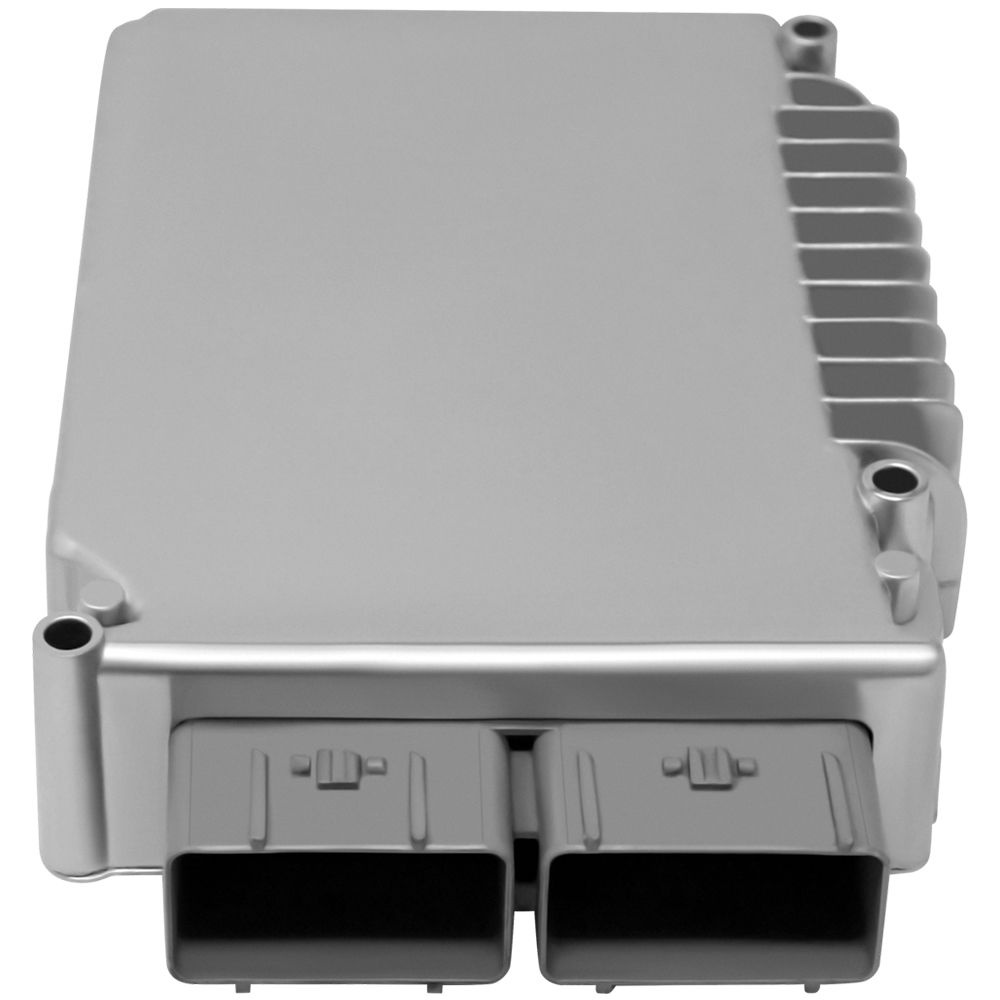
Flagship One stocks a refurbished, VIN-programmed PCM for the 1999 Chrysler Sebring with a lifetime warranty, free shipping and no core charge. The full Chrysler Sebring module lineup covers other engine configurations as well.
The 1999 Chrysler Sebring relies on its PCM to keep the engine and transmission working in harmony. When this module fails, symptoms like stalling, misfires, or no-start conditions can leave you stranded. Replacing it involves careful installation and, in most cases, reprogramming to match your vehicle’s original settings. By recognizing the warning signs early and following proper procedures, you can restore your Sebring’s performance and avoid unnecessary downtime. If you’re considering a replacement, a pre-programmed unit can simplify the process and get you back on the road faster.