
Last updated on August 25th, 2026 at 12:54 pm
The Powertrain Control Module (PCM) in your 1998 Chrysler Sebring manages fuel delivery, ignition timing, and emissions systems. Failures may stem from voltage spikes, corrosion, or internal memory faults, often triggering drivability issues or diagnostic trouble codes.
If your 1998 Chrysler Sebring has been stalling unexpectedly, refusing to start, or illuminating the check engine light, the Powertrain Control Module (PCM) may be the culprit. This small but critical computer manages everything from fuel injection to transmission shifting, ensuring your vehicle runs smoothly. When it fails, symptoms can range from subtle drivability issues to complete immobilization. Replacing the PCM isn’t just about swapping a part—it requires careful handling, proper installation, and a relearn procedure to ensure the new module communicates correctly with the rest of the vehicle’s systems. Understanding the role of the PCM, recognizing failure symptoms, and knowing what to expect during replacement can save you time and frustration. Whether you’re diagnosing a persistent trouble code or preparing for a repair, this guide will walk you through the essentials of PCM failure and replacement for your Sebring.
The Powertrain Control Module (PCM) in your 1998 Chrysler Sebring serves as the brain of the engine and transmission systems. It continuously monitors sensors throughout the vehicle, adjusting fuel delivery, ignition timing, and emissions controls to optimize performance and efficiency. The PCM also manages transmission shift points, ensuring smooth gear changes under varying driving conditions. Without a functioning PCM, your Sebring may struggle to start, run erratically, or even fail to shift gears properly. Over time, exposure to voltage fluctuations, moisture, or heat can degrade the module’s internal components, leading to intermittent or permanent failures. When replacing the PCM, you’ll typically need replacement engine computers for the Sebring, which are designed to match the original specifications of your vehicle’s powertrain. A properly functioning PCM is essential for maintaining drivability, fuel economy, and compliance with emissions standards.
1998 Chrysler Sebring
OEM programmed ECM for your 1998 Chrysler Sebring — plug & play, no dealer visit.
Free shipping · Lifetime warranty
In the 1998 Chrysler Sebring, the PCM is located behind the engine bay’s passenger-side kick panel, near the firewall. Accessing it requires removing the interior panel, which typically involves unscrewing a few fasteners and gently prying the panel away from the dashboard. Once exposed, the PCM is secured with a mounting bracket and connected via a wiring harness. Replacement involves disconnecting the battery, unplugging the harness, removing the mounting hardware, and installing the new module in reverse order. Labor times vary slightly depending on the body style: 0.6 hours for the coupe and 0.4 hours for the convertible. After installation, a relearn procedure is necessary to synchronize the new PCM with the vehicle’s systems, which adds another 0.5 hours to the job. Proper torque on the mounting hardware ensures a secure fit and reliable electrical connections.
| Operation | Configuration | Book Time |
|---|---|---|
| Powertrain Control Module Relearn | All configurations | 0.5 hr |
| Powertrain Control Module R&R | Coupe | 0.6 hr |
| Powertrain Control Module R&R | Convertible | 0.4 hr |
| Engine Control Module Relearn | All configurations | 0.5 hr |
| Engine Control Module R&R | Coupe | 0.7 hr |
| Engine Control Module R&R | Convertible | 0.4 hr |
After replacing the PCM in your 1998 Chrysler Sebring, the factory procedure requires a relearn process to ensure the new module communicates correctly with the vehicle’s sensors and systems. This typically involves using a scan tool to reset adaptive values and may include driving the vehicle under specific conditions to allow the PCM to recalibrate. The relearn procedure is estimated to take 0.5 hours, in addition to the time required for physical replacement. However, if you install a VIN-programmed replacement unit, these steps are already completed before the module arrives. This eliminates the need for on-vehicle programming, saving you time and reducing the risk of errors during the relearn process. Always disconnect the battery before installation to prevent electrical issues and ensure a smooth transition to the new PCM.
A failing PCM in your 1998 Chrysler Sebring can manifest in several ways, often mimicking other mechanical or electrical issues. Common symptoms include intermittent stalling, especially at idle or during deceleration, as the module struggles to maintain proper fuel and ignition timing. You may also experience difficulty starting the vehicle, with the engine cranking but failing to fire, or sudden surges in RPM while driving. The check engine light is likely to illuminate, and a scan tool may reveal trouble codes such as an internal control module memory check sum error, indicating a fault within the PCM itself. Other potential symptoms include erratic transmission shifting, poor fuel economy, or even a complete loss of communication with the vehicle’s diagnostic system. If your Sebring exhibits any of these issues, it’s worth inspecting the PCM as a possible cause, particularly if other common culprits like spark plugs, fuel injectors, or sensors have been ruled out.
The 1998 Chrysler Sebring’s PCM may store specific trouble codes when internal faults occur. These codes help narrow down the source of drivability issues and guide diagnostics. The most commonly documented code for this vehicle’s PCM is listed below, along with its typical implications.
| Code | Meaning | Full Guide |
|---|---|---|
| P0601 | Internal memory checksum error | Full P0601 guide → |
Chrysler issued service bulletin #18-037-05 to address flash programming failures during PCM updates or replacements. The bulletin outlines recovery procedures using the DRBIII® scan tool, which may be necessary if the module fails to accept new programming. This typically occurs when voltage fluctuations or communication errors interrupt the programming process. Following the bulletin’s steps can help restore functionality without replacing the PCM, though repeated failures may indicate an underlying issue with the module or wiring.
| Bulletin | Subject | What It Addresses |
|---|---|---|
| 18-037-05 | 18-037-05 Flash Programming Failure Recovery Using DRBIII® | — |
Intermittent stalling in your Sebring may stem from a failing PCM, particularly if the module struggles to maintain proper fuel or ignition timing. Other symptoms, such as rough idling or stored trouble codes like P0601, can help confirm the PCM as the likely culprit. Rule out simpler issues like vacuum leaks or faulty sensors before replacing the module.
If your Sebring exhibits persistent drivability issues and stores internal PCM trouble codes like P0601, replacement is often the most reliable solution. Reprogramming may resolve software-related glitches, but hardware failures typically require a new module. A scan tool can help determine whether the issue is software or hardware-related.
Replacing the PCM in your Sebring is a straightforward process if you’re comfortable working with electrical components. However, the relearn procedure requires a scan tool and some technical know-how. If you’re unsure about performing the relearn, a shop can complete the job efficiently, often in under an hour.
Skipping the relearn procedure after replacing the PCM may result in poor engine performance, erratic shifting, or even a no-start condition. The relearn ensures the new module synchronizes with the vehicle’s sensors and systems, allowing it to adapt to your Sebring’s specific operating conditions.
While your Sebring may still run with a P0601 code, driving with this fault can lead to unpredictable behavior, such as stalling or poor fuel economy. The code indicates an internal PCM issue, which may worsen over time. Addressing it promptly can prevent further drivability problems or potential breakdowns.
If your 1998 Chrysler Sebring is experiencing PCM-related issues, you have two primary options: repair or replacement. While reprogramming or repairing the existing module may resolve software-related faults, hardware failures often necessitate a new unit. A pre-programmed replacement PCM ensures compatibility with your vehicle’s systems and eliminates the need for on-vehicle programming, streamlining the installation process. Whether you choose to tackle the job yourself or leave it to a professional, understanding the steps involved can help you make an informed decision.
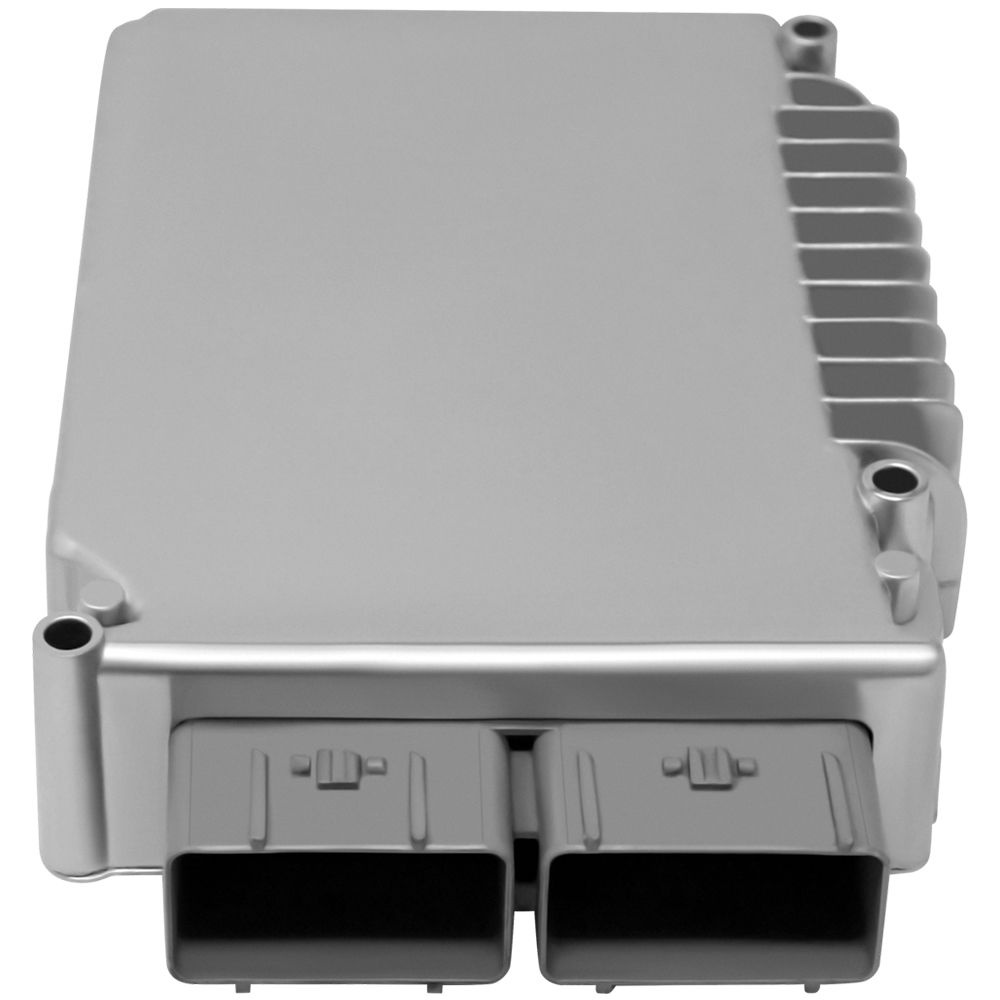
Flagship One stocks a refurbished, VIN-programmed PCM for the 1998 Chrysler Sebring with a lifetime warranty, free shipping and no core charge. The full Chrysler Sebring module lineup covers other engine configurations as well.
The Powertrain Control Module plays a vital role in keeping your 1998 Chrysler Sebring running smoothly. Recognizing the signs of PCM failure, such as stalling, no-start conditions, or stored trouble codes, can help you address issues before they leave you stranded. Whether you opt for a DIY replacement or professional installation, using a pre-programmed module simplifies the process and ensures your Sebring’s systems communicate effectively. If you suspect your PCM is failing, taking action now can restore reliability and performance to your vehicle.