
Last updated on August 25th, 2026 at 12:55 pm
In the 1992 Chrysler New Yorker, the Powertrain Control Module (PCM) and Engine Control Module (ECM) act as the vehicle’s electronic brain, managing fuel delivery, ignition timing, and transmission shift strategy. A failure in either unit can disrupt the coordination of engine and drivetrain functions, leading to loss of power, stalling, or complete no‑start conditions. These modules rely on precise calibration; when the original hardware deteriorates or is replaced, the system must be relearned to match the engine’s mechanical parameters.
When a 1992 Chrysler New Yorker begins to exhibit intermittent starting problems, rough idle, or unexpected transmission shifts, the electronic control modules may be the source. The PCM and ECM in this pre‑OBD‑II vehicle govern the engine’s fuel and spark timing as well as the automatic transmission’s shift logic. Because the vehicle’s diagnostic system does not provide standardized trouble codes, pinpointing the issue often relies on observable behavior and service history. Understanding how these modules function, where they reside, and what factory‑approved procedures are required after replacement can help you avoid unnecessary downtime. This guide explains the role of each module, outlines the labor involved in removal and installation, describes the relearn steps mandated by Chrysler, and offers practical tips to keep the electronics healthy. Armed with this knowledge, you can decide whether a repair or a refurbished replacement best fits your situation.
1992 Chrysler New Yorker
OEM programmed ECM for your 1992 Chrysler New Yorker — plug & play, no dealer visit.
Free shipping · Lifetime warranty
The PCM in the 1992 Chrysler New Yorker monitors sensor inputs such as throttle position, engine speed, and coolant temperature to calculate the optimal fuel mixture and ignition timing for each cylinder. It also communicates with the transmission control circuitry to determine shift points, ensuring smooth gear changes under varying load conditions. The ECM, while closely linked, focuses primarily on engine‑specific functions, including spark timing, idle control, and emissions‑related valve operation. Both modules store calibration data that reflect the engine’s mechanical characteristics; any deviation from the original parameters can cause the computer to make incorrect decisions, resulting in performance loss or drivability issues. Because the New Yorker uses a pre‑OBD‑II architecture, the modules rely on proprietary communication protocols rather than standardized diagnostic codes. Maintaining accurate data in these computers is essential for reliable operation, and any replacement must be followed by a relearn process to synchronize the new hardware with the engine’s physical attributes. This is why replacement PCM for the New Yorker must be paired with the correct calibration routine after installation.
| Operation | Configuration | Book Time |
|---|---|---|
| Powertrain Control Module Relearn | Imperial | 0.5 hr |
| Powertrain Control Module Relearn | New Yorker | 0.5 hr |
| Powertrain Control Module R&R | Imperial | 0.5 hr |
| Powertrain Control Module R&R | New Yorker | 0.5 hr |
| Engine Control Module Relearn | Imperial | 0.5 hr |
| Engine Control Module Relearn | New Yorker | 0.5 hr |
| Engine Control Module R&R | Imperial | 0.5 hr |
| Engine Control Module R&R | New Yorker | 0.5 hr |
After a PCM or ECM is installed in a 1992 New Yorker, Chrysler requires a specific relearn sequence to align the new hardware with the engine’s calibrated parameters. The factory procedure involves a 0.5‑hour powertrain control module relearn and a separate 0.5‑hour engine control module relearn, each performed with the ignition on and the engine at idle. Because Flagship One units arrive as a VIN-programmed replacement unit, the vehicle’s VIN is already encoded with the correct calibration data, and the post‑install relearn steps are completed at the factory. This eliminates the need for field programming tools or extended service times, allowing the technician to focus on verifying proper connector engagement and confirming that the vehicle runs smoothly after the brief relearn period.
When the PCM or ECM in a 1992 New Yorker begins to fail, owners may notice a sudden inability to start the engine, rough or uneven idle, and unexpected stalling during acceleration. The transmission may shift harshly or remain stuck in a single gear because the PCM cannot relay the correct shift signals. In some cases, the engine may run with reduced power, and the vehicle may emit unusual noises as fuel and spark timing become erratic. Because the vehicle predates OBD‑II, diagnostic scanners often cannot read the internal fault, but a technician may encounter a P0601 timing error during a manual scan, indicating a timing‑related control issue. These symptoms typically prompt a visual inspection of wiring harnesses and grounds before confirming that the control module itself requires replacement or relearn.
Factory Service Bulletin #18-037-05 describes a flash‑programming failure that can occur during PCM or ECM updates and provides a recovery method using the DRBIII® tool. The bulletin outlines step‑by‑step instructions to re‑flash the module firmware and restore proper operation.
| Bulletin | Subject | What It Addresses |
|---|---|---|
| 18-037-05 | 18-037-05 Flash Programming Failure Recovery Using DRBIII® | — |
First verify that the power and ground connections are secure, then perform the factory‑specified PCM relearn for 0.5 hours. If the engine still does not start, check for any lingering fault codes and ensure the replacement unit was VIN‑programmed.
A generic unit may lack the calibration data specific to the New Yorker’s engine, which can lead to improper fuel and spark timing. Using a Flagship One VIN‑programmed replacement helps ensure compatibility.
Inspection during routine service, such as oil changes, is advisable. Look for signs of moisture or corrosion at the connector housings and clean them as needed.
Only basic hand tools are required to remove the mounting bolts and disconnect the electrical plug. No specialized equipment is listed in the labor guide.
A failed flash can leave the module unresponsive, which may trigger the symptoms described earlier. Service Bulletin #18-037-05 provides a recovery method using the DRBIII® tool.
When the PCM or ECM in your 1992 Chrysler New Yorker needs attention, you can choose a repair that restores the original hardware or opt for a refurbished replacement that arrives pre‑programmed. Both paths require the same brief relearn interval, but a VIN‑programmed unit can reduce on‑site time and eliminate the need for additional diagnostic equipment.
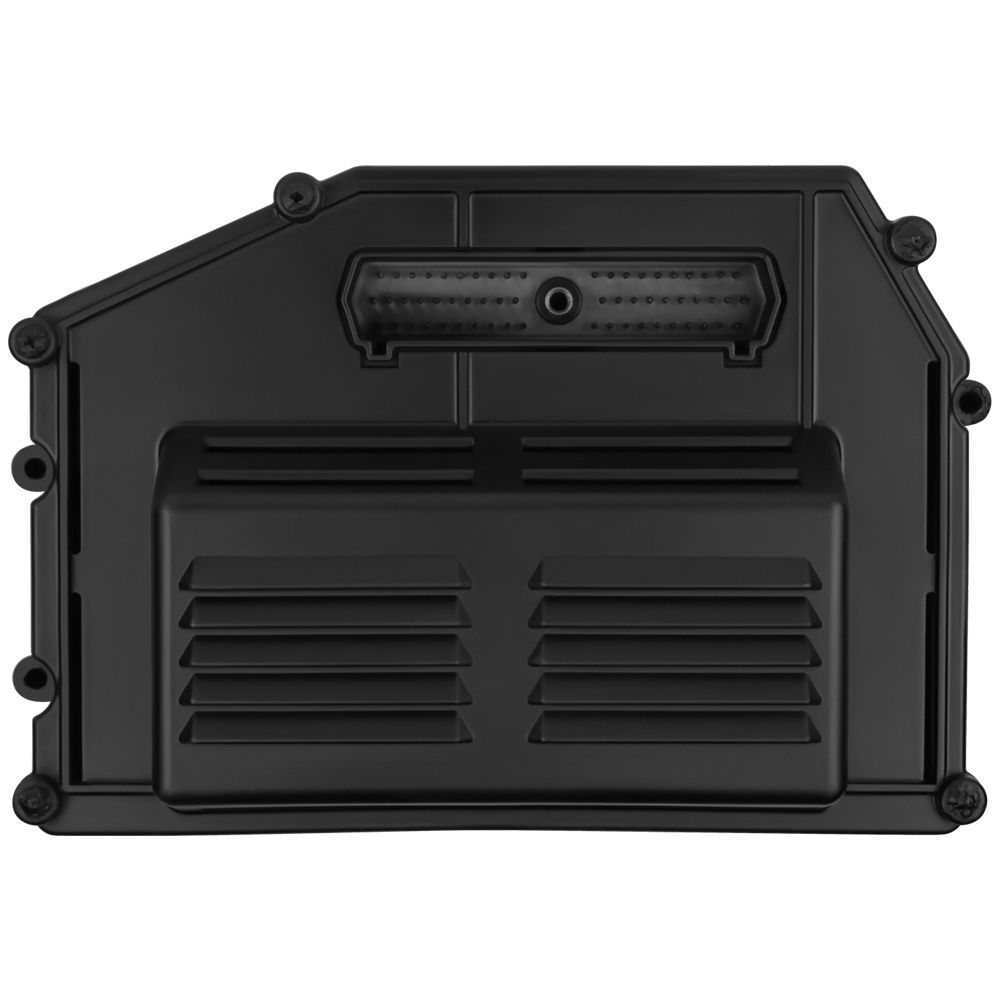
Flagship One stocks a refurbished, VIN-programmed PCM for the 1992 Chrysler New Yorker with a lifetime warranty, free shipping and no core charge. The full Chrysler New Yorker module lineup covers other engine configurations as well.
The 1992 Chrysler New Yorker’s PCM and ECM are critical to reliable operation, and proper relearn after replacement helps ensure the vehicle runs as intended. Consider a Flagship One replacement to simplify the process and keep your classic running smoothly.