
Last updated on August 25th, 2026 at 12:55 pm
The powertrain control module in your 1992 Chrysler Imperial is the central computer managing fuel injection, ignition timing, and automatic transmission shifting. This pre-OBD-II vehicle uses an integrated PCM that handles both engine and transmission control. Failure typically stems from internal electrical degradation, voltage spikes, or heat damage over the unit’s 30+ year service life.
If your 1992 Chrysler Imperial won’t start, runs roughly, or exhibits transmission shifting problems, the powertrain control module may be the culprit. This vehicle uses an integrated computer that manages both engine and transmission functions — there is no separate transmission control unit. Because this is a pre-OBD-II model, diagnostics differ from modern vehicles. This guide explains what the module does, where it lives, symptoms of failure, and what replacement involves so you can make informed decisions about repair options.
The powertrain control module in your 1992 Chrysler Imperial serves as the brain of the vehicle’s powertrain system. Located in the passenger-side footwell area, this computer controls fuel injector pulse width, ignition timing advance, idle air control, and automatic transmission shift points. For the Imperial specifically, this integrated design means a single module handles what modern vehicles split between an engine control module and transmission control module. The module receives signals from sensors throughout the engine bay and uses that information to make real-time adjustments to keep the 3.8L V6 running smoothly and the transmission shifting at the correct points. Without a functioning module, the engine cannot start or run, and the transmission will not engage — there is no limp-home mode on this model. replacement engine computers for the 1992 Imperial are available from specialty rebuilders who can supply a unit programmed with your specific vehicle identification number.
1992 Chrysler Imperial
OEM programmed ECM for your 1992 Chrysler Imperial — plug & play, no dealer visit.
Free shipping · Lifetime warranty
The powertrain control module on your 1992 Chrysler Imperial is mounted in the passenger-side footwell, behind the kick panel and under-carpet access cover. Replacement involves disconnecting the negative battery terminal, removing the mounting hardware that secures the module to its bracket, disconnecting the electrical harness connectors, and transferring the mounting bracket to the new unit. The labor time for remove-and-replace is 0.5 hours according to published guide times. After physical installation, the module must be connected and the vehicle battery reconnected. All electrical connections should be inspected for corrosion or damage before reassembly, and the mounting hardware should be torqued to specification to prevent vibration-related failures.
| Operation | Configuration | Book Time |
|---|---|---|
| Powertrain Control Module Relearn | All configurations | 0.5 hr |
| Powertrain Control Module R&R | All configurations | 0.5 hr |
| Engine Control Module Relearn | All configurations | 0.5 hr |
| Engine Control Module R&R | All configurations | 0.5 hr |
After installing a replacement powertrain control module, the factory procedure requires a relearn procedure to calibrate the new computer to your specific vehicle’s engine and transmission characteristics. This involves connecting the dealer-level DRBIII diagnostic tool to initiate communication with the module and allow it to adapt to sensor readings and shift patterns. The relearn procedure takes approximately 0.5 hours. Flagship One units arrive VIN-programmed with your vehicle’s specific calibration already loaded, which means those post-install programming steps are already completed — you install the unit and proceed with the relearn procedure without additional programming delays.
Every VIN-programmed replacement unit from Flagship One arrives with these steps already completed.
When the powertrain control module fails on your 1992 Chrysler Imperial, the vehicle may exhibit several recognizable symptoms. A no-start condition is common when the module loses the ability to process crankshaft position sensor signals or activate the fuel injectors. Intermittent stalling often occurs during low-speed driving or at idle when internal voltage regulation within the module degrades. Transmission problems manifest as harsh shifting, failure to shift into overdrive, or the vehicle remaining in a single gear. A dead scan tool connection — where no communication is possible with the module — strongly indicates internal module failure. These symptoms directly reflect the module’s role as the central controller for both engine operation and transmission function.
Chrysler published service bulletin #18-037-05, which addresses flash programming failure recovery using the DRBIII diagnostic tool. This bulletin provides technicians with the procedure to follow when a powertrain control module does not accept initial programming or loses its calibration during the flash process. The procedure involves specific steps to reset the module and retry the programming sequence. This factory guidance is relevant when installing a replacement unit if unexpected communication issues arise during the relearn process.
| Bulletin | Subject | What It Addresses |
|---|---|---|
| 18-037-05 | 18-037-05 Flash Programming Failure Recovery Using DRBIII® | — |
No — the replacement unit must be programmed with your specific vehicle identification number and the correct calibration for the 3.8L engine and automatic transmission. A unit programmed for a different model will not function and may cause additional problems.
This vehicle has no limp-home mode when the module fails. If the module loses communication with sensors or internal processors, the engine will not start or run, and the transmission will not engage. Driving is not possible when the module is non-functional.
The relearn procedure is still required to calibrate the new module to your vehicle’s specific characteristics. However, if you purchase a VIN-programmed unit from Flagship One, the initial flash programming with your VIN and calibration is already complete — only the relearn procedure remains.
When your 1992 Chrysler Imperial requires a powertrain control module, you have two primary paths: repair the existing unit through a specialty rebuilder, or install a pre-programmed replacement. Rebuilding can be uncertain given the module’s age and may not address underlying contamination issues. A quality replacement unit that arrives VIN-programmed eliminates the flash programming step and gets your Imperial back on the road faster. Consider your budget, timeline, and confidence in the existing wiring and grounds when making your decision.
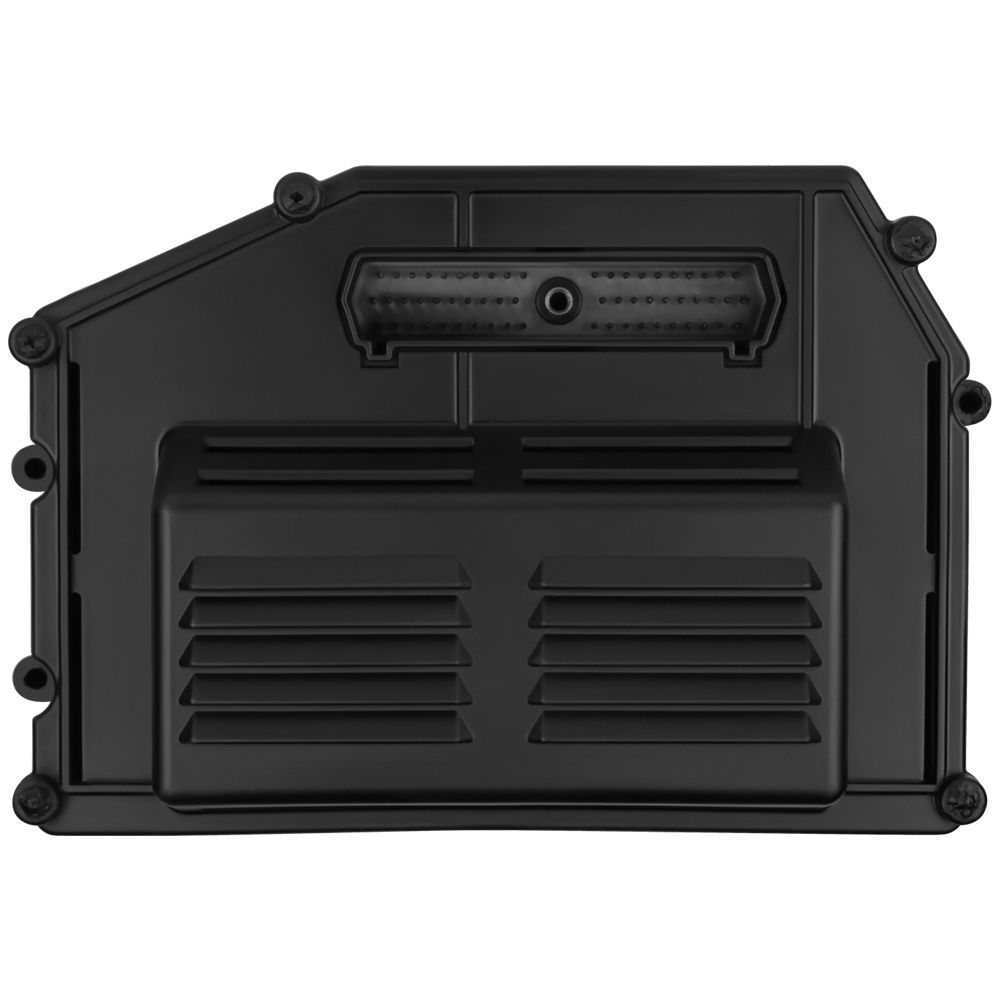
Flagship One stocks a refurbished, VIN-programmed PCM for the 1992 Chrysler Imperial with a lifetime warranty, free shipping and no core charge. The full Chrysler Imperial module lineup covers other engine configurations as well.
The powertrain control module is the heart of your 1992 Chrysler Imperial’s powertrain operation. Failure leaves this flagship sedan immobile, but replacement is straightforward for a qualified technician. Whether you pursue repair or replacement, addressing the module promptly restores the driving experience this luxury vehicle was designed to deliver.