
Last updated on August 25th, 2026 at 12:57 pm
The engine control module in your 2016 Audi A3 Sportback e-tron manages fuel delivery, ignition timing, and hybrid system coordination. Electrical faults or internal corruption may cause drivability issues or prevent the vehicle from starting.
If your 2016 Audi A3 Sportback e-tron has developed unexplained stalling, rough idling, or a refusal to start, the engine control module may be the culprit. This compact but critical computer oversees everything from fuel injection to hybrid battery coordination, ensuring seamless transitions between electric and gasoline power. When it fails, symptoms can range from subtle performance hiccups to complete immobilization. Replacing the module itself is straightforward, but the real work lies in ensuring it communicates properly with the rest of the vehicle’s systems afterward. Understanding the labor involved, the relearn process, and the common signs of failure can help you make an informed decision—whether you’re considering a repair or a replacement. With the right approach, you can restore your A3’s drivability without unnecessary delays or complications.
The engine control module in your 2016 Audi A3 Sportback e-tron serves as the brain of the hybrid powertrain, balancing the demands of the 1.4L turbocharged engine and the electric motor. It continuously adjusts fuel injection, ignition timing, and throttle response to optimize efficiency and performance, while also managing the transition between electric and gasoline power. Without a fully functional module, the vehicle may struggle to maintain smooth acceleration, proper fuel economy, or even basic operation. Over time, electrical fluctuations, moisture intrusion, or internal component degradation can corrupt the module’s programming or disrupt its communication with other systems. When this happens, the vehicle often logs specific trouble codes and may exhibit symptoms like hesitation, misfires, or a complete no-start condition. Replacing the module with replacement engine computers for the Audi A3 Sportback e-tron ensures compatibility and restores the precise control needed for hybrid operation.
The engine control module in the 2016 Audi A3 Sportback e-tron is located in the engine bay, typically mounted near the firewall or on the passenger side of the vehicle. Accessing it requires removing a protective cover and disconnecting the wiring harness, which may involve releasing a few clips or fasteners. The replacement process is relatively straightforward, with factory labor estimates suggesting 0.9 hours for removal and reinstallation. Once the old module is disconnected, the new unit can be installed in its place, and the wiring harness reconnected. No specialized tools are required beyond basic hand tools, though care should be taken to avoid damaging the connectors or the module itself during handling. After installation, the vehicle will need a relearn procedure to ensure proper communication with the hybrid and engine systems.
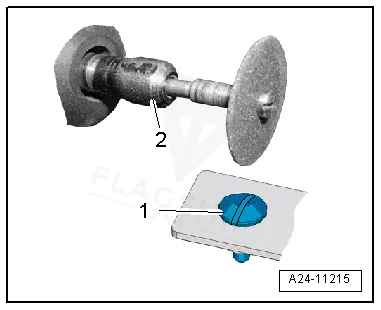
Work with the ignition off, and treat the module as static-sensitive: avoid touching the connector pins at any point.
| Operation | Configuration | Book Time |
|---|---|---|
| Powertrain Control Module R&R | All configurations | 0.9 hr |
| Powertrain Control Module Relearn | All configurations | 0.5 hr |
| Engine Control Module Relearn | All configurations | 0.5 hr |
| Engine Control Module Reset | All configurations | 0.3 hr |
| Engine Control Module R&R | All configurations | 0.9 hr |
2016 Audi A3 Sportback e-tron: When the
OEM programmed replacements — plug & play, no dealer visit.
Find yours by year, make & model →
Free shipping · Lifetime warranty
After replacing the engine control module in your 2016 Audi A3 Sportback e-tron, the vehicle requires a relearn procedure to synchronize the new unit with the hybrid powertrain and other onboard systems. This process typically involves a 0.5-hour labor step to reset and recalibrate the module, ensuring it communicates correctly with the transmission, throttle body, and electric motor. Without this step, the vehicle may experience erratic shifting, poor acceleration, or even a failure to start. Flagship One provides a VIN-programmed replacement unit, which arrives pre-configured to your vehicle’s specifications. This eliminates the need for additional programming at the time of installation, saving time and reducing the risk of post-installation issues. However, the relearn procedure remains necessary to finalize the integration of the new module with the rest of the vehicle’s systems.
A failing engine control module in the 2016 Audi A3 Sportback e-tron may produce a range of symptoms, often starting with subtle drivability issues before escalating to more severe problems. You might notice the vehicle hesitating during acceleration, especially when transitioning between electric and gasoline power, or experiencing rough idling when the engine is running. In some cases, the hybrid system may fail to engage, leaving the vehicle running solely on the gasoline engine or struggling to start at all. Warning lights on the dashboard, such as the check engine or hybrid system warning, are common indicators of a module-related fault. The vehicle may also log specific trouble codes, including internal processor performance issues, which can help pinpoint the source of the problem. Other potential symptoms include stalling at idle, poor fuel economy, or a complete loss of communication with the scan tool during diagnostics. If the module fails entirely, the vehicle may not start, leaving you stranded until the issue is resolved.
The 2016 Audi A3 Sportback e-tron may log several trouble codes when the engine control module experiences internal faults or communication errors. These codes often indicate specific issues with the module’s performance or its ability to interact with other vehicle systems.
The engine control module manages fuel delivery, ignition timing, and hybrid system coordination. When it malfunctions, these systems may receive incorrect signals, leading to stalling or rough operation. The vehicle may also struggle to transition between electric and gasoline power, causing further drivability issues.
Common signs include hesitation during acceleration, rough idling, warning lights on the dashboard, or a no-start condition. The vehicle may also log specific trouble codes, such as P0606 or U0100, which can help confirm the issue during diagnostics.
Driving with a failing module may lead to further drivability issues, including stalling, poor acceleration, or even a complete loss of power. It’s best to address the problem promptly to avoid potential safety risks or additional damage to other components.
Replacement involves locating the module in the engine bay, disconnecting the wiring harness, and removing the old unit. The new module is installed in its place, and the wiring harness is reconnected. A relearn procedure is then required to synchronize the new module with the vehicle’s systems.
The relearn procedure ensures the new module communicates correctly with the hybrid powertrain, transmission, and other systems. Without it, the vehicle may experience erratic shifting, poor acceleration, or a failure to start. The process typically takes about 0.5 hours of labor.
If your 2016 Audi A3 Sportback e-tron is experiencing symptoms of a failing engine control module, you have options. A repair may be possible if the issue is minor, but a replacement is often the most reliable solution for internal faults or corruption. With a VIN-programmed unit, you can avoid additional programming steps and reduce the risk of post-installation issues. Whether you choose a new or refurbished module, ensuring compatibility with your vehicle’s hybrid system is key to restoring smooth operation.
Flagship One stocks a refurbished, VIN-programmed PCM for the 2016 Audi A3 Sportback e-tron with a lifetime warranty, free shipping and no core charge. The full Audi A3 Sportback e-tron module lineup covers other engine configurations as well.
The engine control module in your 2016 Audi A3 Sportback e-tron plays a critical role in managing both the gasoline engine and hybrid system. When it fails, symptoms can range from subtle drivability issues to a complete no-start condition. Understanding the replacement process, labor requirements, and common signs of failure can help you make an informed decision. With the right approach, you can restore your vehicle’s reliability and get back on the road with confidence.