
Last updated on August 25th, 2026 at 01:02 pm
The Powertrain Control Module (PCM) in your 2010 Mercury Mountaineer serves as the central computer for the 4.0L engine, managing fuel injection, ignition timing, and emissions control. When this module fails due to heat stress, voltage spikes, or internal component degradation, it may cause no-start conditions, rough running, and trigger the malfunction indicator light.
If your 2010 Mercury Mountaineer won’t start or runs poorly, the Powertrain Control Module may be the culprit. This comprehensive guide explains what the engine computer does, how to recognize failure symptoms, and what your replacement options are. You’ll learn why this module matters, where it’s located, and what the repair process involves. Whether you’re诊断ing a check engine light or planning a repair, this information helps you understand the PCM’s role in your vehicle’s operation and make informed decisions about service.
The Powertrain Control Module in your 2010 Mercury Mountaineer acts as the brain of the 4.0L engine, processing data from numerous sensors to regulate fuel delivery, ignition timing, and transmission shifting. This computer essentially translates driver inputs and engine conditions into precise operational commands that keep the vehicle running smoothly. When the PCM encounters internal problems, it may store fault codes and default to limp-home mode, severely limiting engine performance. The module can fail from prolonged heat exposure under the hood, voltage surges during jump-starts, or natural degradation of internal electronics over time. Understanding this helps you see why protecting the replacement PCM for the Mountaineer matters for long-term reliability.
2010 Mercury Mountaineer
OEM programmed replacements — plug & play, no dealer visit.
Find yours by year, make & model →
Free shipping · Lifetime warranty
The Powertrain Control Module on your 2010 Mercury Mountaineer is typically mounted in the engine compartment, often on the firewall or near the intake manifold. Access requires removing surrounding components to reach the unit. The replacement procedure involves disconnecting the battery, unbolting the old module, transferring the wiring harness, and installing the new unit. Book time for Powertrain Control Module R&R is 0.6 hours, while Engine Control Module R&R is also 0.6 hours. After installation, you’ll need to address the relearn procedure, which takes an additional 0.5 hours. Ensure all connectors are properly seated and torqued to specification to prevent moisture intrusion and electrical faults.
| Operation | Configuration | Book Time |
|---|---|---|
| Powertrain Control Module R&R | All configurations | 0.6 hr |
| Engine Control Module Relearn | All configurations | 0.5 hr |
| Engine Control Module R&R | All configurations | 0.6 hr |
After installing a replacement PCM in your Mountaineer, the factory procedure requires an engine control module relearn to calibrate the new computer to your specific engine. This initialization allows the PCM to adjust fuel trims and learn sensor characteristics for optimal operation. The relearn procedure may involve idle rebalancing and driving the vehicle through various conditions so the module can establish proper baselines. Flagship One units arrive pre-programmed with your vehicle’s VIN, meaning those initialization steps are largely completed before the module reaches you. This can significantly reduce shop time compared to ordering a blank unit that requires full dealer-level programming.
Every VIN-programmed replacement unit from Flagship One arrives with these steps already completed.
When the PCM begins to fail on your 2010 Mercury Mountaineer, you may notice several telltale signs. The vehicle might refuse to start entirely, or it could start and then stall unexpectedly. Rough idle, hesitation during acceleration, and reduced power are common complaints. Diagnostic trouble codes such as P0340 (camshaft position sensor circuit malfunction) may appear alongside the failure. In more severe cases, the scan tool may fail to communicate with the module at all, making diagnosis challenging. Transmission shifting may become erratic as the PCM loses ability to control shift points properly. The check engine light often illuminates, sometimes intermittently, before settling on permanently. If internal module faults are present, codes like processor fault may be stored, indicating the module has detected its own malfunction.
The 2010 Mercury Mountaineer’s PCM may store module-internal trouble codes that indicate self-detected failures within the computer itself. Unlike standard diagnostic codes that point to sensors or actuators, these codes report on the health of the PCM’s internal processor and memory functions. Code P0606 specifically indicates a processor fault within the module. When these internal codes appear, replacement of the PCM is typically required rather than repair, as the internal components cannot be serviced.
| Code | Meaning | Full Guide |
|---|---|---|
| P0606 | Module processor failure | Full P0606 guide → |
Factory service bulletin #10-18-11 addresses 4.0L engines in certain vehicles including the Mountaineer lineup. This TSB covers conditions of engine noise, illumination of the malfunction indicator lamp with diagnostic trouble code P0340, lack of power, rough running, and no-start situations. The bulletin provides diagnostic and repair procedures for technicians addressing these specific complaints. If your Mountaineer exhibits these symptoms, referencing this bulletin during service may help ensure proper diagnosis and resolution.
| Bulletin | Subject | What It Addresses |
|---|---|---|
| 10-18-11 | 4.0L – ENGINE NOISE, MIL WITH DTC P0340, LACKS POWER, RUNS ROUGH – NO START | — |
Signs that suggest PCM failure include no-start conditions, intermittent stalling, check engine light illumination, and poor engine performance. A diagnostic scan may reveal communication issues or specific fault codes. A qualified technician can perform tests to confirm whether the PCM is the root cause versus a sensor or wiring problem.
A used PCM from another vehicle will require VIN programming to match your specific Mountaineer, and it may have unknown mileage and prior failure history. Additionally, some used units may not be compatible with your vehicle’s specific configuration. A remanufactured unit from a reputable supplier typically offers better reliability and comes pre-programmed for your vehicle.
A failing PCM may leave you stranded with a no-start vehicle, or it could cause your Mountaineer to run poorly, consume excessive fuel, or fail emissions tests. In some cases, the vehicle may enter limp-home mode, severely limiting speed and power. Continued operation with a faulty module may also mask other developing problems.
When your 2010 Mercury Mountaineer needs a new engine computer, you have two primary paths. You might choose a new OEM unit at higher cost, or select a remanufactured PCM from Flagship One that arrives VIN-programmed and ready to install. Consider your vehicle’s mileage, your budget, and how long you plan to keep the Mountaineer when making this decision. A quality replacement can restore reliable operation and peace of mind.
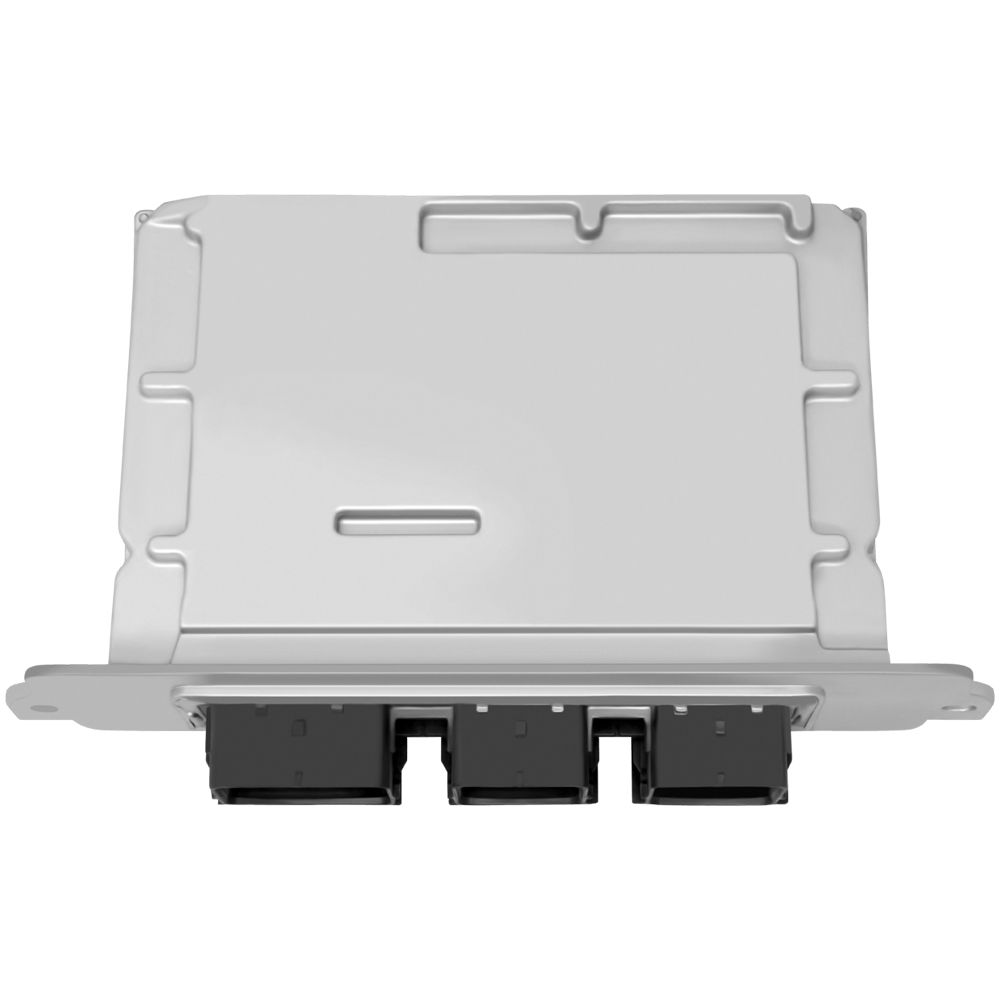
Flagship One stocks a refurbished, VIN-programmed PCM for the 2010 Mercury Mountaineer with a lifetime warranty, free shipping and no core charge. The full Mercury Mountaineer module lineup covers other engine configurations as well.
The PCM is a critical component in your 2010 Mercury Mountaineer, and failure doesn’t have to end your vehicle’s service life. Whether you repair or replace, understanding the module’s role helps you make sound service decisions. For a reliable, pre-programmed replacement engineered for your Mountaineer, explore what Flagship One offers and get back on the road with confidence.