
Last updated on August 25th, 2026 at 01:04 pm
The Powertrain Control Module (PCM) in your 1994 Mercury Sable manages engine performance and transmission behavior. Failures may cause erratic idling, stalling, or transmission shifting problems, often without warning.
If your 1994 Mercury Sable has been acting up—stalling at stoplights, refusing to start, or shifting gears unpredictably—the problem may lie with the Powertrain Control Module (PCM). This small but critical computer oversees everything from fuel delivery to transmission behavior, and when it fails, your vehicle’s performance can suffer in frustrating ways. Unlike newer cars with self-diagnostic systems, the Sable’s pre-OBD-II setup means symptoms often appear without warning, leaving you to troubleshoot the old-fashioned way. Replacing the PCM isn’t just about swapping a part; it requires careful attention to compatibility, installation steps, and post-replacement procedures to avoid further issues. Understanding these details can save you time, money, and the hassle of repeat repairs.
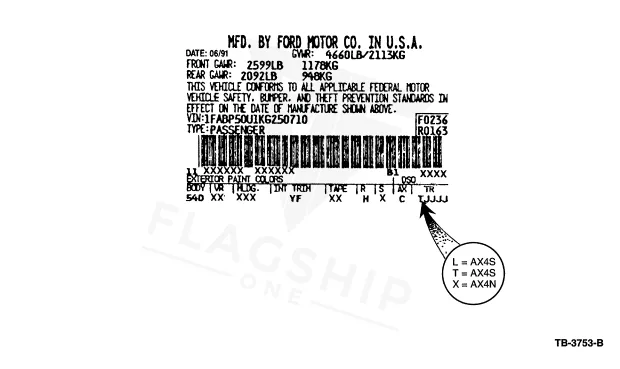
The Powertrain Control Module in your 1994 Mercury Sable acts as the brain for both the engine and transmission, coordinating fuel injection, ignition timing, and shift points to keep the vehicle running smoothly. Without it, the engine may struggle to start, idle erratically, or even cut out entirely. The transmission, too, relies on the PCM to determine when and how to shift gears, so a failing module can lead to harsh or delayed gear changes. Because this vehicle predates OBD-II, the PCM doesn’t store trouble codes in the same way modern cars do, which means diagnosing issues often requires a process of elimination. When replacing the module, you’ll need to ensure the new unit is designed for your specific transaxle—either the AX4S or AX4N—since installing the wrong replacement PCMs for the Mercury Sable can cause severe transmission damage or erratic operation. The PCM’s location and the steps to replace it are straightforward, but the consequences of a misstep can be costly.
1994 Mercury Sable
OEM programmed ECM for your 1994 Mercury Sable — plug & play, no dealer visit.
Free shipping · Lifetime warranty
The PCM in the 1994 Mercury Sable is typically mounted in the engine bay, often near the firewall or strut tower, where it’s accessible but protected from direct heat and moisture. Replacing it involves disconnecting the battery, removing the module’s electrical connector, and unscrewing the mounting bolts. According to factory labor estimates, removing and reinstalling the Powertrain Control Module takes about 0.4 hours, while replacing the Engine Control Module (a related but separate component) may require 0.9 hours. After installation, the module must be relearned to the vehicle, a process that adds another 0.5 hours to the job. The key precaution here is ensuring the ignition is off before disconnecting any power source—whether it’s the battery, fuse, or module connector—to prevent permanent damage to the new unit.
| Operation | Configuration | Book Time |
|---|---|---|
| Engine Control Module R&R | All configurations | 0.9 hr |
| Powertrain Control Module R&R | All configurations | 0.4 hr |
| Powertrain Control Module Relearn | All configurations | 0.5 hr |
After installing a new PCM in your 1994 Mercury Sable, the factory procedure requires a relearn process to synchronize the module with the vehicle’s engine and transmission. This step, which typically takes about 0.5 hours, ensures the PCM adapts to your Sable’s specific fuel and ignition patterns. However, if you opt for a VIN-programmed replacement unit, this relearn step is already completed, saving you time and reducing the risk of errors during the process. The factory also mandates that the ignition remain off when disconnecting or reconnecting power to avoid damaging the module, a rule that applies whether you’re replacing the battery, fuse, or module itself. Skipping this precaution could lead to immediate or long-term issues, so it’s worth taking the extra moment to follow the guidelines.
A failing PCM in your 1994 Mercury Sable can manifest in several ways, often without clear warning signs. One of the most common issues is a no-start condition, where the engine cranks but refuses to fire, as the PCM fails to send the correct signals to the fuel injectors or ignition system. Stalling is another frequent symptom, particularly at idle or during deceleration, as the module struggles to maintain consistent engine operation. You may also notice erratic shifting from the transmission, such as delayed or harsh gear changes, since the PCM controls shift points and torque converter lockup. In some cases, the vehicle might run poorly at certain speeds or hesitate under acceleration, mimicking fuel delivery or ignition problems. While the Sable’s pre-OBD-II system doesn’t store trouble codes like modern vehicles, a scan tool may still reveal communication issues with the module. If the PCM is completely dead, you might not get any response from the diagnostic port at all. These symptoms can overlap with other issues, so it’s important to rule out simpler problems like a weak battery, faulty sensors, or vacuum leaks before assuming the PCM is at fault.
Common signs include a no-start condition, stalling at idle, or erratic transmission shifting. Since the Sable lacks OBD-II, you may need to test sensors and wiring first to rule out other issues. A scan tool might show communication errors if the PCM is unresponsive.
Yes, if you’re comfortable with basic automotive electrical work. The module is accessible in the engine bay, but you’ll need to ensure the replacement matches your transaxle type (AX4S or AX4N) and follow the factory relearn procedure afterward.
Installing a PCM designed for the AX4N transaxle in an AX4S-equipped Sable will cause transmission damage. Conversely, using an AX4S PCM in an AX4N vehicle will result in erratic shifting and poor performance. Always verify compatibility before installation.
The PCM is sensitive to voltage spikes, which can occur when power is disconnected or reconnected with the ignition on. This precaution prevents permanent damage to the module’s internal circuits, which could render it inoperable.
Removing and reinstalling the PCM takes about 0.4 hours, while the relearn process adds another 0.5 hours. If you’re replacing the Engine Control Module instead, that job may require 0.9 hours. Total time depends on your experience and the tools available.
If your 1994 Mercury Sable is showing signs of PCM failure, you have a few options. A repair shop can diagnose and replace the module, but labor costs can add up quickly. Alternatively, a refurbished or new replacement unit designed for your specific transaxle type can restore reliable performance without the guesswork. Since the Sable’s PCM requires precise calibration, choosing a unit that’s already programmed for your vehicle can simplify the process and reduce the risk of post-installation issues.
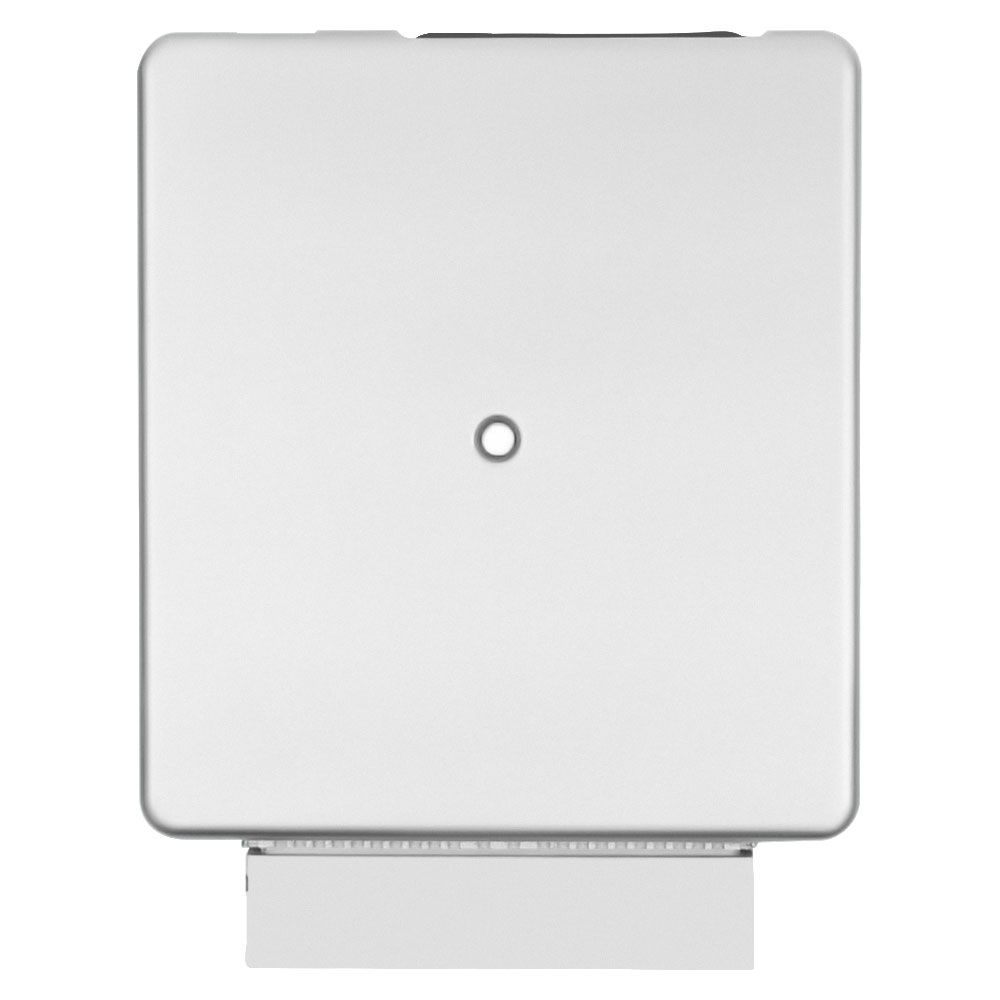
Flagship One stocks a refurbished, VIN-programmed PCM for the 1994 Mercury Sable with a lifetime warranty, free shipping and no core charge. The full Mercury Sable module lineup covers other engine configurations as well.
The 1994 Mercury Sable relies on its PCM to keep the engine and transmission working together smoothly. When this module fails, the symptoms can range from annoying to downright dangerous, especially if the vehicle stalls unexpectedly. Replacing the PCM isn’t overly complex, but it does require attention to detail—matching the unit to your transaxle, following proper installation steps, and ensuring the ignition is off during power disconnections. With the right approach, you can restore your Sable’s reliability and avoid costly mistakes.