
Last updated on August 25th, 2026 at 01:04 pm
In the 1993 Mercury Topaz, the powertrain control module (PCM) and engine control module (ECM) manage fuel delivery, ignition timing, and transmission shifting. Failure of either unit can lead to loss of engine power, stalling, or complete no‑start conditions, as the computer can no longer command the necessary actuators.
When a 1993 Mercury Topaz begins to exhibit intermittent power loss, rough idle, or fails to start altogether, the underlying cause often points to the vehicle’s electronic control units. The powertrain control module (PCM) and engine control module (ECM) act as the brain for the engine and transmission, interpreting sensor data and directing actuators accordingly. Understanding how these modules function, what the factory expects after replacement, and how to avoid common pitfalls can help you make an informed decision about repair or replacement. This guide walks you through the definition of each module, its location, the labor involved, the programming steps required, typical failure signs, and practical steps to keep the system healthy.
1993 Mercury Topaz
OEM programmed ECM for your 1993 Mercury Topaz — plug & play, no dealer visit.
Free shipping · Lifetime warranty
The PCM in the 1993 Mercury Topaz serves as the central processor for the 2.3‑liter engine, handling fuel injection, ignition timing, and transmission shift points. It gathers data from sensors such as the throttle position, coolant temperature, and vehicle speed, then issues commands to the fuel pump, spark plugs, and transmission solenoids. The ECM performs a similar role, focusing on engine‑specific functions like idle control and emissions monitoring. Together, they ensure the engine runs smoothly and meets emissions standards. Because the Topaz predates OBD‑II, these modules rely on manufacturer‑specific communication protocols rather than universal diagnostic codes. A malfunctioning unit may prevent the engine from starting or cause erratic operation, making the PCM/ECM critical to overall drivability. replacement powertrain control modules for the Topaz ensures that the new unit matches the vehicle’s original specifications.
In the 1993 Mercury Topaz, the PCM and ECM are mounted within the engine compartment, typically attached to the firewall or near the intake manifold. Access requires removing the air intake hose and disconnecting the battery to prevent voltage spikes. The factory labor estimate for removing and reinstalling the PCM on the 2.3‑liter engine is 1.3 hours, and the same time applies to the ECM. After the unit is bolted in place, a relearn procedure lasting about 0.5 hours is recommended to allow the vehicle’s control strategies to recalibrate. No specific torque values are provided in the source data, so standard hand‑tightening to secure the connector is sufficient.
| Operation | Configuration | Book Time |
|---|---|---|
| Powertrain Control Module R&R | 2.3L | 1.3 hr |
| Powertrain Control Module R&R | 3.0L | 0.9 hr |
| Powertrain Control Module Relearn | All configurations | 0.5 hr |
| Engine Control Module R&R | 2.3L | 1.3 hr |
| Engine Control Module R&R | 3.0L | 0.9 hr |
Once the PCM or ECM has been physically installed in the Topaz, the factory service manual calls for a relearn routine that lasts roughly half an hour. This process restores the module’s adaptive memory and ensures proper communication with the engine sensors. Flagship One units arrive already VIN‑programmed, so the relearn step is effectively completed at the factory. a VIN‑programmed replacement unit eliminates the need for additional coding steps during installation, allowing you to focus on the mechanical aspects of the job.
A failing PCM or ECM in a 1993 Mercury Topaz often reveals itself through a combination of no‑start conditions, rough idle, and unexpected stalling while driving. You may also notice the transmission shifting harshly or failing to engage, reflecting the PCM’s loss of control over shift points. In some cases, the scan tool will be unable to communicate with the vehicle, indicating a loss of data link. When the module reports a timing‑related fault, you might see a processor timing error displayed, which is a common indication of internal module failure. These symptoms typically appear gradually, giving you an opportunity to diagnose before a complete loss of driveability.
The factory labor guide estimates about 1.3 hours to remove and reinstall the PCM on the 2.3‑liter engine, reflecting the standard steps required for access and mounting.
The service manual specifies a relearn routine of roughly 0.5 hours after ECM installation. A VIN‑programmed unit from Flagship One includes this step, so no additional coding is required on the shop floor.
Yes, because the PCM controls shift timing for the automatic transmission, a malfunction can result in harsh or missed shifts, affecting overall drivability.
Jump‑starting can introduce voltage spikes that may further damage the PCM or its connectors, so it is advisable to address the underlying issue before using external power sources.
A VIN‑programmed unit arrives with the vehicle’s specific calibration data pre‑loaded, removing the need for on‑site programming or additional relearn steps beyond the standard factory procedure.
When the PCM or ECM in your 1993 Mercury Topaz no longer performs as intended, you can choose between a new factory‑spec unit or a refurbished replacement that matches the original specifications. Both options require the same mechanical steps, but a Flagship One refurbished module arrives VIN‑programmed, saving you the time and potential error of on‑site coding. Evaluate the condition of your current unit, consider mileage, and decide which path best aligns with your vehicle’s needs.
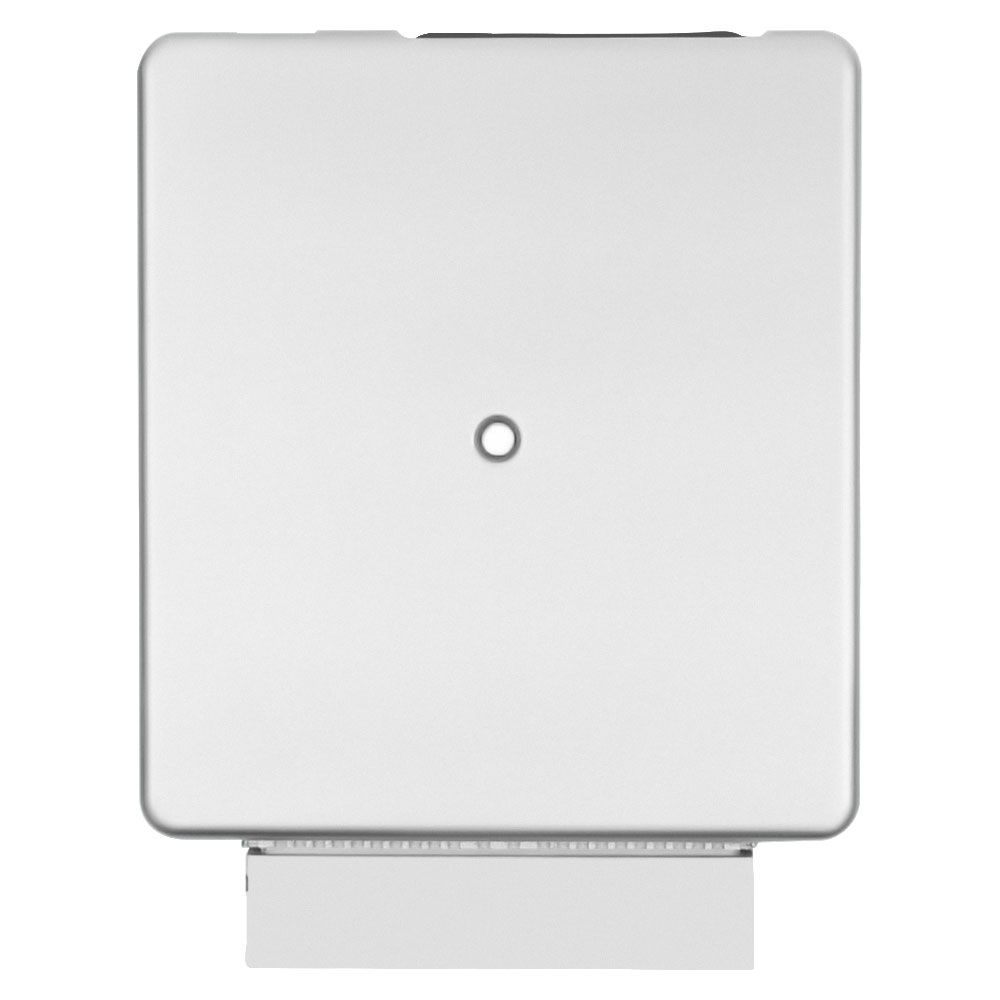
Flagship One stocks a refurbished, VIN-programmed PCM for the 1993 Mercury Topaz with a lifetime warranty, free shipping and no core charge. The full Mercury Topaz module lineup covers other engine configurations as well.
Replacing a faulty PCM or ECM can restore reliable operation to your 1993 Mercury Topaz. Whether you opt for a brand‑new part or a VIN‑programmed refurbished unit, the key is to follow the prescribed labor steps and relearn procedure. Proper installation will help your Topaz return to smooth, trouble‑free performance.