
Last updated on August 25th, 2026 at 01:09 pm
In the 2016 Jeep Grand Cherokee, the Powertrain Control Module (PCM) and Engine Control Module (ECM) act as the vehicle’s brain, managing engine timing, fuel delivery, emissions, and communication with the ABS. A failure typically disrupts engine start, causes stalling, or triggers diagnostic codes such as P0601 and P0606, indicating internal processor or communication errors.
When a 2016 Jeep Grand Cherokee experiences intermittent starting issues, unexpected stalling, or diagnostic trouble codes, the Powertrain Control Module or Engine Control Module may be at fault. These electronic control units coordinate fuel injection, ignition timing, emissions control, and communication with other vehicle systems. Understanding how the PCM and ECM operate, where they reside, and what the factory reprogramming steps entail can help you decide whether to pursue a repair or a refurbished replacement. This guide walks you through the module’s purpose, location, labor estimates, programming requirements, common symptoms, and practical steps to keep the units healthy, giving you a clear picture of what to expect during service.
The PCM in a 2016 Jeep Grand Cherokee serves as the central command hub for powertrain functions, translating sensor data into precise fuel and spark timing while also handling emissions monitoring. It also shares the vehicle identification number over the communication bus, a detail that some ABS controllers depend on for proper operation. The ECM works closely with the PCM, focusing on engine‑specific calculations such as knock detection and idle control. Together, they ensure smooth acceleration, efficient fuel use, and compliance with emissions standards. Because the vehicle relies on accurate VIN broadcasting, any interruption can trigger diagnostic codes or affect ABS performance. Maintaining a functional PCM and ECM is therefore essential for reliable drivability and safety. replacement powertrain control modules for the 2016 Jeep Grand Cherokee ensure the vehicle retains its calibrated performance characteristics.
2016 Jeep Grand Cherokee
OEM programmed ECM for your 2016 Jeep Grand Cherokee — plug & play, no dealer visit.
Free shipping · Lifetime warranty
The PCM is secured to a mounting bracket identified as location two on the power distribution center. Access requires removing the bracket and extracting the module, a task that typically takes about half an hour according to the labor guide. The ECM removal follows a similar process, with a book time of 0.6 hours for removal and replacement. Once the unit is out, the bracket is reinstalled and the module is seated back into its position. No torque specifications were provided, so standard fastening practices apply. The overall effort for both modules usually falls within the range of 0.5 to 0.6 hours each, reflecting the straightforward nature of the access steps.
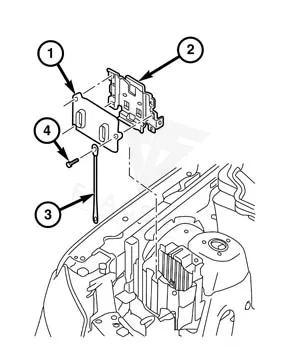
Work with the ignition off, and treat the module as static-sensitive: avoid touching the connector pins at any point.
| Operation | Configuration | Book Time |
|---|---|---|
| Powertrain Control Module Relearn | All configurations | 0.5 hr |
| Powertrain Control Module R&R | All configurations | 0.6 hr |
| Engine Control Module Relearn | All configurations | 0.5 hr |
| Engine Control Module Reset | All configurations | 0.3 hr |
| Engine Control Module R&R | All configurations | 0.6 hr |
After installing a new PCM or ECM in the 2016 Jeep Grand Cherokee, the factory procedure calls for a diagnostic scan tool to write the original vehicle identification number and mileage into the unit. This step prevents the appearance of VIN‑related diagnostic trouble codes and ensures proper communication with the ABS controller. Flagship One provides a VIN‑programmed replacement unit that arrives already loaded with the correct VIN and mileage, so the reprogramming action is effectively completed at delivery. Nevertheless, the shop should verify the data with a scan tool and confirm that no new codes are set after installation.
Owners of a 2016 Jeep Grand Cherokee may notice a range of issues when the PCM or ECM begins to fail. Common signs include a complete lack of engine start, intermittent stalling during acceleration, rough idle, or loss of power‑train related warning lights on the dash. Scan tools often reveal communication failures or internal processor errors, such as processor malfunction code P0601 that specifically points to a PCM internal fault. Additional clues can be misfire codes, erratic transmission shifting, or a dead diagnostic link that prevents any data retrieval from the vehicle. Addressing these symptoms promptly can avoid cascading failures in related systems like the ABS.
The following diagnostic trouble codes are commonly logged by the PCM and ECM in the 2016 Jeep Grand Cherokee:
| Code | Meaning | Full Guide |
|---|---|---|
| P0601 | Internal memory checksum error | Full P0601 guide → |
| P0606 | Module processor failure | Full P0606 guide → |
Service bulletins for this model include Canadian recall number 30 and Safety Recall U65, which both require reprogramming of the Powertrain Control Module. These bulletins emphasize the need for proper VIN and mileage entry after replacement to avoid lingering DTCs.
| Bulletin | Subject | What It Addresses |
|---|---|---|
| — | Service Bulletins/Recalls • 30 – Canadian Recalls • Safety Recall U65 – Reprogram Powertrain Co | — |
A failing PCM may allow the engine to start but can cause erratic performance, stalling, or loss of emissions control, leading to reduced drivability and potential DTCs.
Factory guidance suggests temporarily disconnecting the ABS controller to prevent VIN broadcast issues that could set additional trouble codes during PCM replacement.
Yes, a diagnostic scan tool is needed to verify that the original VIN and mileage are correctly written and to confirm that no new codes appear after installation.
The labor guide lists 0.5 hours for Powertrain Control Module relearn and 0.6 hours for removal and replacement, reflecting a relatively quick service.
Flagship One units are delivered VIN‑programmed, so the typical post‑install reprogramming step is already completed, though verification with a scan tool is still recommended.
When the PCM or ECM in your 2016 Jeep Grand Cherokee needs attention, you can choose a repair that follows the factory reprogramming steps or opt for a refurbished replacement that arrives pre‑loaded with the correct VIN and mileage. Both paths aim to restore reliable engine performance and eliminate diagnostic trouble codes, while a Flagship One unit reduces the amount of shop time required for post‑install programming.
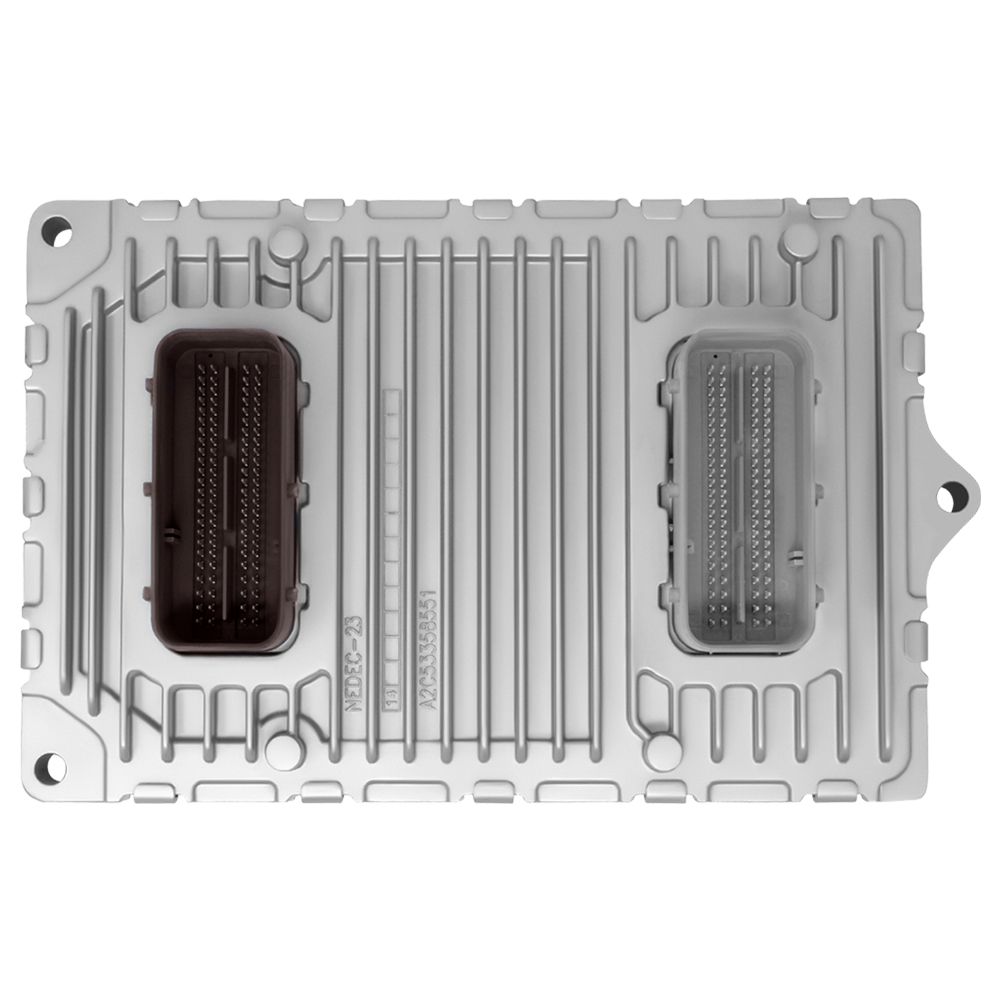
Flagship One stocks a refurbished, VIN-programmed PCM for the 2016 Jeep Grand Cherokee with a lifetime warranty, free shipping and no core charge. The full Jeep Grand Cherokee module lineup covers other engine configurations as well.
Whether you decide on a repair or a Flagship One refurbished module, addressing PCM or ECM issues in your 2016 Jeep Grand Cherokee promptly helps maintain engine reliability and safety. Consider the options and choose the solution that best fits your service schedule.