
Last updated on August 25th, 2026 at 12:14 pm
The powertrain control module in the 1996 Jeep Grand Cherokee acts as the central processor managing fuel delivery and ignition timing. When this unit fails, it often causes rough running, stalling, or a complete inability to start the 4.0L engine.
Dealing with sudden engine performance issues on your 1996 Jeep Grand Cherokee can be incredibly frustrating, especially when the root cause traces back to the vehicle’s central computer. The powertrain control module orchestrates the essential operating parameters for the 4.0L engine, meaning a malfunction disrupts the entire driving experience. You might find yourself facing unexpected stalling at intersections or a stubborn no-start condition that leaves you stranded. Understanding how this critical component functions, where it resides, and what happens when it fails provides a distinct advantage. Rather than guessing at the problem, you gain the ability to pinpoint whether the computer is truly at fault. Navigating the repair process involves understanding specific labor times, factory relearn procedures, and important service precautions outlined by the manufacturer. By exploring these details, you can approach the repair with confidence, ensuring your vehicle receives the correct fix without unnecessary delays or expenses. We will examine the role of this module, common indicators of trouble, and what the replacement process entails specifically for your sport utility vehicle, helping you get back on the road safely.
The powertrain control module in your 1996 Jeep Grand Cherokee serves as the primary diagnostic and operational brain for the 4.0L inline-six engine. It continuously processes data from various sensors scattered throughout the chassis and powertrain, calculating the precise fuel injector pulse width and ignition timing needed for efficient combustion. Beyond engine management, this unit often oversees transmission shift points and interacts with emissions control devices to keep exhaust outputs within regulatory limits. Because it integrates both engine and transmission logic into one housing, a fault within its circuitry rarely affects just one aspect of vehicle operation. When internal circuitry degrades or suffers from voltage spikes, the engine may run excessively rich or dangerously lean, leading to catalytic converter damage over time. This makes it vital to address computer issues promptly rather than ignoring intermittent warning signs. If you are searching for a 1996 Jeep Grand Cherokee PCM to restore proper engine timing and fuel delivery, understanding its operational scope helps clarify why a simple sensor swap rarely resolves deeper logic failures. The module relies on a complex network of ground pathways and power feeds, meaning corrosion or loose connections can mimic a failed computer. Proper diagnosis ensures you do not replace a functioning unit unnecessarily, saving both time and money while getting your sport utility vehicle back to optimal running condition. Furthermore, the software housed inside dictates how smoothly the engine transitions between idle and wide-open throttle, making the integrity of this component crucial for everyday drivability.
1996 Jeep Grand Cherokee 4.0L
OEM programmed ECM for your 1996 Jeep Grand Cherokee 4.0L — plug & play, no dealer visit.
Free shipping · Lifetime warranty
Replacing the powertrain control module on the 1996 Jeep Grand Cherokee involves specific labor times that dictate how long the service will take. According to established guidelines, removing and reinstalling the engine control module requires 0.4 hours of labor. This timeframe accounts for physically accessing the unit, disconnecting the wiring harness, and securing the replacement in place. Because the module manages critical engine parameters, simply plugging in a new unit does not complete the job. The vehicle typically requires an engine control module relearn procedure, which adds 0.5 hours to the service timeline. During this relearn, the computer resets its adaptive strategy tables to calibrate itself to the specific sensor outputs of your 4.0L engine. Following the correct relearn steps ensures the engine idles smoothly and responds appropriately to throttle inputs. Technicians must also observe service caution 18-21-98 when handling the unit, ensuring the old module is not damaged during removal and the new one is properly integrated without electrical discharge.
Work with the ignition off, and treat the module as static-sensitive: avoid touching the connector pins at any point.
| Operation | Configuration | Book Time |
|---|---|---|
| Powertrain Control Module R&R | All configurations | 0.4 hr |
| Engine Control Module Relearn | All configurations | 0.5 hr |
| Engine Control Module R&R | All configurations | 0.4 hr |
After installing a new powertrain control module in your 1996 Jeep Grand Cherokee, the factory procedure mandates an engine control module relearn procedure, which takes 0.5 hours. This relearn process forces the newly installed computer to recalibrate its idle parameters, fuel trims, and transmission shift points to match the specific operating characteristics of your 4.0L engine. Without this step, your vehicle may experience erratic idle speeds, hesitation during acceleration, or harsh shifting. Choosing pre-programmed Jeep Grand Cherokee computer eliminates the need to perform the initial VIN writing steps that a dealership would otherwise charge for. Because the unit arrives ready to communicate with your vehicle’s factory sensor array, you avoid the diagnostic fees associated with flashing a blank module. You will still need to complete the 0.5-hour relearn sequence so the vehicle adapts to the fresh hardware, but the core programming hurdle is already cleared. This approach significantly reduces the downtime typically required when sourcing a replacement from a generic parts supplier.
When the powertrain control module in your 1996 Jeep Grand Cherokee begins to fail, the symptoms often manifest as noticeable drivability problems that worsen over time. You might experience a stubborn no-start condition where the engine cranks but refuses to fire, leaving you stranded. Intermittent stalling is another common indicator, frequently occurring at idle or while decelerating, which can be particularly dangerous in traffic. The 4.0L engine may also suffer from misfires or a rough idle because the computer fails to calculate the correct fuel and spark delivery. Communication issues often arise as well; you may find that your diagnostic scan tool cannot establish a link to the engine computer, preventing you from reading live data or clearing fault codes. Transmission shifting anomalies, such as harsh or delayed shifts, can occur since this unit manages both engine and transmission logic. If the internal memory becomes corrupted, the check engine light will typically illuminate and remain steady, though the stored codes might point back to the computer itself rather than a specific sensor. You might also notice a significant decrease in fuel economy, as the engine runs in a rich fail-safe mode to prevent internal damage. Sometimes, the vehicle may enter a reduced power mode, severely limiting engine RPM and making highway driving impossible. These symptoms often appear sporadically before becoming permanent, highlighting the importance of early diagnosis.
Manufacturer service bulletins provide critical insights regarding known issues and recommended repair procedures for your 1996 Jeep Grand Cherokee. Bulletin 18-21-98 outlines a service caution specifically for the powertrain control module, warning technicians about proper handling to avoid damaging the unit during diagnosis or replacement. Additionally, emissions recall E22, referenced by bulletin Rc-Ie22-06, addresses the need to reprogram the powertrain control module and inspect the catalytic converter. This recall indicates that certain vehicles may experience software glitches or exhaust system deterioration that requires immediate attention. If your vehicle falls under this recall, addressing it ensures the engine runs efficiently and meets emissions standards. Following these bulletins helps prevent repeated failures and ensures the replacement module operates correctly within the factory specifications.
| Bulletin | Subject | What It Addresses |
|---|---|---|
| 18-21-98 | 18-21-98 Powertrain Control Module (PCM) Service Caution | — |
| — | Rc-Ie22-06 Emissions Recall E22 – Reprogram PCM and Inspect Catalytic Converter | — |
The physical removal and installation of the engine control module requires 0.4 hours of labor. Additionally, the factory relearn procedure takes 0.5 hours, bringing the total service time to under an hour for a trained technician.
Yes, the vehicle requires an engine control module relearn procedure following replacement. This step ensures the new computer properly adapts to the idle characteristics and fuel requirements of the 4.0L engine for smooth operation.
The E22 emissions recall requires technicians to reprogram the powertrain control module and inspect the catalytic converter. This procedure addresses potential software issues and ensures the exhaust system functions within legal emissions limits.
Yes, service caution bulletin 18-21-98 specifically addresses handling procedures for the powertrain control module. Technicians must follow these guidelines to avoid damaging the unit during diagnostic testing or physical replacement.
Skipping the relearn procedure often results in erratic engine idle, hesitation during acceleration, or harsh transmission shifting. The new module needs to calibrate its adaptive strategy tables to your specific engine parameters to operate correctly.
Deciding between repairing your existing unit or opting for a refurbished replacement for your 1996 Jeep Grand Cherokee depends on the specific failure mode. If the module suffers from internal circuit damage, a refurbished unit typically offers superior reliability compared to a localized board repair. Choosing a pre-programmed option streamlines the installation process, ensuring your 4.0L engine receives the correct fuel and spark parameters without the hassle of dealership programming fees.
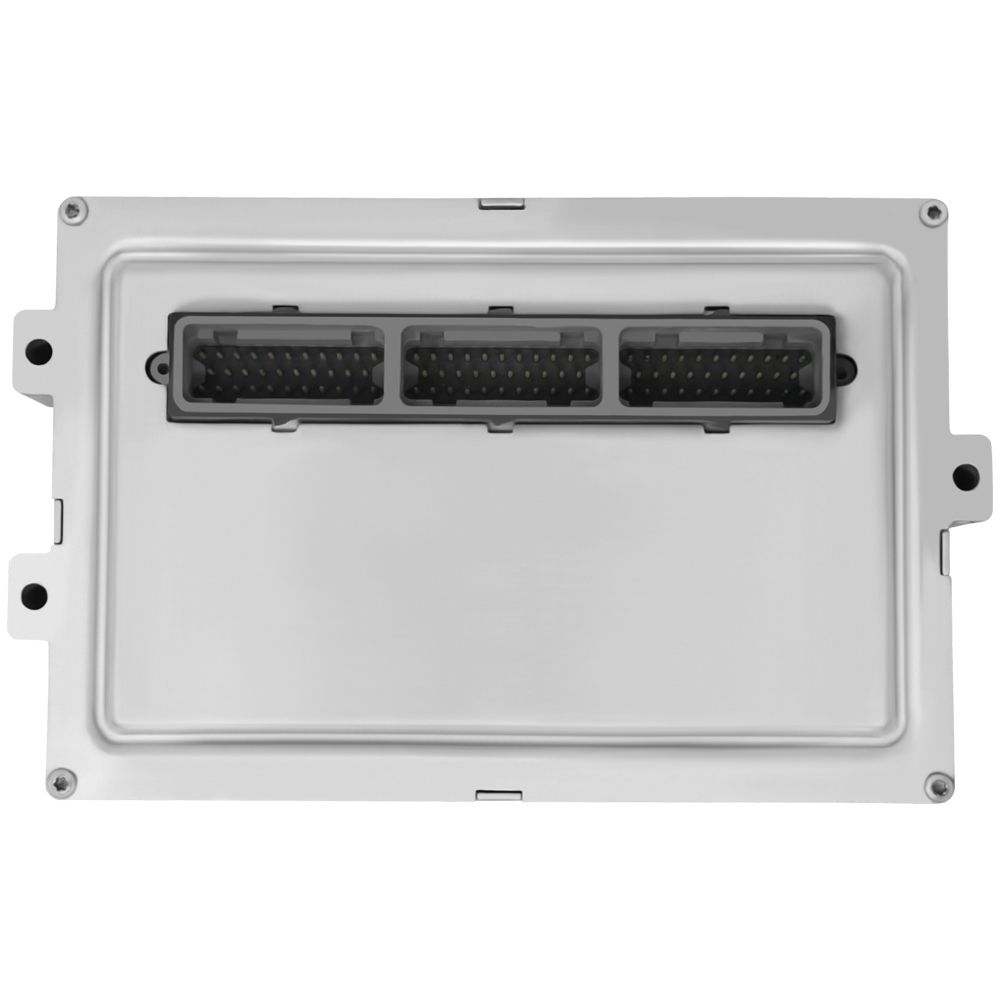
Flagship One stocks a refurbished, VIN-programmed PCM for the 1996 Jeep Grand Cherokee with a lifetime warranty, free shipping and no core charge. The full Jeep Grand Cherokee module lineup covers other engine configurations as well.
Addressing powertrain control module issues in your 1996 Jeep Grand Cherokee promptly prevents cascading engine and transmission problems that worsen over time. By understanding the required labor times, relearn procedures, and relevant service bulletins, you can approach the repair process with confidence and accuracy. Consider exploring quality replacement options to restore your vehicle’s drivability, avoid costly dealership programming fees, and keep your 4.0L engine running smoothly for miles to come.