
Last updated on August 25th, 2026 at 01:16 pm
The Engine Control Module (ECM) in your 2016 Infiniti QX70 manages fuel delivery, ignition timing, and emissions systems. Failure may cause erratic engine behavior, stored trouble codes, or complete no-start conditions due to corrupted data or internal faults.
If your 2016 Infiniti QX70 has developed unexplained stalling, rough idling, or a stubborn check-engine light, the Engine Control Module (ECM) may be the culprit. This small but critical computer manages everything from fuel injection to ignition timing, ensuring your 3.7L V6 runs smoothly. When it fails, symptoms can range from subtle performance issues to a complete no-start condition. Understanding what the ECM does, where it’s located, and what replacement involves can help you make informed decisions about repairs. You’ll also learn why choosing a pre-programmed replacement unit can save time and avoid additional dealer visits for reprogramming. This guide covers the essentials of ECM failure, labor times, and practical steps to keep your QX70 running reliably.
The Engine Control Module in your 2016 Infiniti QX70 serves as the brain of the engine management system. It continuously monitors sensors for data like air intake, throttle position, and exhaust oxygen levels, then adjusts fuel delivery and ignition timing in real time. This ensures optimal performance, fuel efficiency, and emissions compliance. Without a functioning ECM, your vehicle may struggle to start, run poorly, or even enter a failsafe mode that limits power. The module also stores trouble codes when it detects irregularities, which technicians use to diagnose issues. If the ECM fails entirely, you may need replacement engine computers for the QX70, as internal faults often cannot be repaired. Given its role in managing critical engine functions, a faulty ECM can lead to frustrating and unpredictable driving experiences, making timely replacement important for maintaining reliability.
2016 Infiniti QX70
OEM programmed ECM for your 2016 Infiniti QX70 — plug & play, no dealer visit.
Free shipping · Lifetime warranty
In the 2016 Infiniti QX70, the ECM is located in the engine bay, typically mounted near the firewall or on the passenger side of the vehicle. Accessing it requires removing the engine cover and possibly some surrounding components to reach the module’s mounting bolts. The factory labor time for Engine Control Module removal and replacement is 1.5 hours, which includes disconnecting the battery, unplugging electrical connectors, and carefully removing the module without damaging the pins. Once the old ECM is out, the new unit is installed in reverse order, ensuring all connectors are securely fastened. No special tools are required beyond basic hand tools, but proper torque specifications should be followed to avoid damaging the module or its mounting points. After installation, a relearn procedure is necessary to synchronize the ECM with the vehicle’s systems.
| Operation | Configuration | Book Time |
|---|---|---|
| Engine Control Module Relearn | All configurations | 0.5 hr |
| Engine Control Module R&R | All configurations | 1.5 hr |
| Powertrain Control System Diagnosis & Testing | All configurations | 0.5 hr |
After replacing the ECM in your 2016 Infiniti QX70, the factory procedure requires a relearn process to ensure the module communicates correctly with the vehicle’s sensors and systems. This typically involves using a scan tool to perform an initialization sequence, which can take up to 0.5 hours of labor. However, when you install a VIN-programmed replacement unit, these steps are already completed, saving you time and potential frustration. The pre-programmed unit arrives configured to your vehicle’s specific VIN, eliminating the need for dealer reprogramming or additional software updates. This means your QX70 can be back on the road faster, with the new ECM fully integrated and ready to perform as expected. Always confirm the replacement unit is compatible with your vehicle’s model year and engine configuration to avoid compatibility issues.
A failing ECM in your 2016 Infiniti QX70 can manifest in several ways, often mimicking other mechanical or electrical issues. Common symptoms include intermittent stalling, especially at idle or during deceleration, which may leave you stranded or cause hesitation when accelerating. You might also notice the engine running rough, misfiring, or struggling to maintain consistent power, particularly under load. In some cases, the vehicle may enter a failsafe mode, limiting engine performance to prevent further damage. Another telltale sign is a check-engine light accompanied by trouble codes, such as an internal control module fault, which indicates the ECM has detected a problem with its own operation. Other potential symptoms include poor fuel economy, difficulty starting the engine, or even a complete no-start condition if the ECM fails entirely. If your scan tool cannot communicate with the ECM, that’s another strong indicator of a module failure. Addressing these symptoms promptly can prevent further damage to your vehicle’s engine or emissions systems.
The 2016 Infiniti QX70 may store specific trouble codes when the ECM detects internal faults or communication issues. These codes help technicians pinpoint the source of the problem and determine whether the module needs replacement or reprogramming.
| Code | Meaning | Full Guide |
|---|---|---|
| P0605 | Internal ROM error | Full P0605 guide → |
Common signs include stalling, rough idling, or a no-start condition. You may also see a check-engine light with codes like P0605. If your scan tool cannot communicate with the ECM, that’s another strong indicator of failure. Symptoms often appear intermittently before becoming constant.
Driving with a failing ECM is risky, as it may cause sudden stalling or loss of power. In some cases, the vehicle may enter a failsafe mode, limiting performance to prevent damage. If the ECM fails completely, your vehicle may not start at all. It’s best to address the issue promptly.
ECM failure can result from voltage spikes, moisture intrusion, or internal component degradation. Poor battery or charging system health, corroded connectors, or improper jump-starting can also contribute. Over time, normal wear and tear may lead to internal faults that require replacement.
ECMs are typically not repairable due to their complex internal circuitry. Replacement is the most reliable solution, especially if the module has internal faults or corrupted data. A VIN-programmed replacement unit ensures compatibility and eliminates the need for dealer reprogramming.
The factory labor time for ECM removal and replacement is 1.5 hours. An additional 0.5 hours is required for the relearn procedure to synchronize the new module with the vehicle’s systems. Pre-programmed units save time by eliminating the need for dealer reprogramming.
If your 2016 Infiniti QX70 is experiencing ECM-related issues, you have options for repair or replacement. While some minor faults may be resolved with reprogramming, internal failures often require a new module. A VIN-programmed replacement unit ensures compatibility and saves time by eliminating dealer programming steps. Consider whether your vehicle’s symptoms warrant a full replacement or if a diagnostic scan can pinpoint a simpler fix. Either way, addressing ECM issues promptly can restore reliability and prevent further complications.
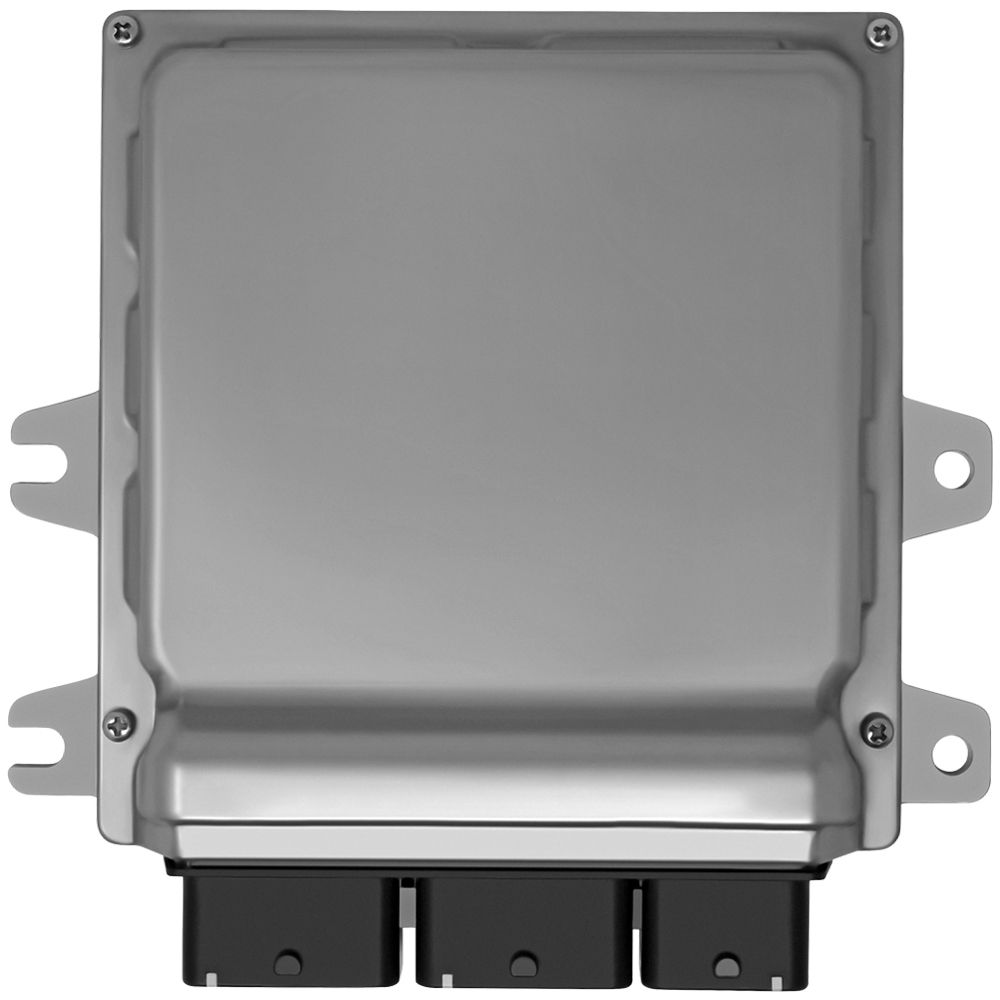
Flagship One stocks a refurbished, VIN-programmed PCM for the 2016 Infiniti QX70 with a lifetime warranty, free shipping and no core charge. The full Infiniti QX70 module lineup covers other engine configurations as well.
The Engine Control Module plays a vital role in keeping your 2016 Infiniti QX70 running smoothly. If you’re dealing with stalling, no-start conditions, or stored trouble codes, the ECM may be the root cause. Replacing it with a pre-programmed unit can save time and ensure your vehicle operates as intended. Regular maintenance, such as checking electrical connections and addressing codes promptly, can help extend the life of your ECM and prevent future issues. Whether you choose to repair or replace, addressing ECM problems early will keep your QX70 dependable for miles to come.