
Last updated on August 25th, 2026 at 01:17 pm
In the 2010 Infiniti EX35, the Powertrain Control Module (PCM) and Engine Control Module (ECM) serve as the vehicle’s central computers, monitoring sensor data and directing fuel, ignition, and emission functions. A failure typically disrupts communication, leading to loss of power, stalling, or diagnostic trouble codes such as P0605. Restoring proper operation usually requires removal, replacement, and re‑learning procedures.
When a 2010 Infiniti EX35 begins to exhibit starting problems, unexpected stalls, or unusual error messages, the underlying issue may involve the vehicle’s core control computers. Understanding how the Powertrain Control Module and Engine Control Module function, where they reside, and what the repair process entails can help you make an informed decision. This guide walks you through the purpose of each module, the steps required to replace them, the programming expectations, and the typical symptoms you might observe. By the end, you should have a clear picture of the work involved and the benefits of using a pre‑programmed replacement from Flagship One.
The Powertrain Control Module in the 2010 Infiniti EX35 acts as the master brain, interpreting data from the engine, transmission, and emissions sensors to manage torque, shift timing, and fuel delivery. It also coordinates with the Engine Control Module, which focuses on combustion control, spark timing, and emissions compliance. Together they ensure the vehicle runs smoothly and meets regulatory standards. Because these computers directly influence drivability and emissions, any internal fault can lead to performance loss or diagnostic trouble codes. The module’s reliability is essential for maintaining the EX35’s engineered balance, and a properly functioning replacement 2010 Infiniti EX35 engine control module helps preserve that balance.
2010 Infiniti EX35 Powertrain and
OEM programmed replacements — plug & play, no dealer visit.
Find yours by year, make & model →
Free shipping · Lifetime warranty
The PCM is mounted within the engine compartment, typically secured to the firewall near the battery, while the ECM resides close to the intake manifold. Removing the PCM generally requires disconnecting the main power harness, unbolting the unit, and extracting it from its bracket, a task that aligns with the 2.1‑hour labor estimate. The ECM removal follows a similar pattern but is shorter, with the book time indicating 0.8 hours for the swap. After installation, the ECM requires a brief 0.5‑hour relearn procedure to synchronize sensor inputs with the new hardware. Both modules are accessed without special tooling beyond standard sockets and torque specifications, ensuring the process stays within the documented labor times.
| Operation | Configuration | Book Time |
|---|---|---|
| Powertrain Control Module R&R | All configurations | 2.1 hr |
| Engine Control Module Relearn | All configurations | 0.5 hr |
| Engine Control Module R&R | All configurations | 0.8 hr |
Factory service procedures call for a complete re‑calibration of the ECM after replacement, which includes a relearn of sensor baselines and communication parameters. Flagship One provides a pre‑configured unit, so the required steps are already completed at the factory. When you install the new part, the system recognizes the VIN‑matched hardware, eliminating the need for additional on‑site coding. This approach reduces shop time and the chance of errors, as the a VIN-programmed replacement unit arrives ready to integrate with the vehicle’s existing network.
Owners of a 2010 Infiniti EX35 may notice a range of issues when the PCM or ECM fails, including a complete no‑start condition, intermittent stalling, rough idle, or loss of power during acceleration. Diagnostic scans often reveal communication failures, and the specific internal fault code communication fault can appear, indicating the module’s inability to exchange data with other control units. In some cases, the vehicle may exhibit erratic shift patterns or trigger emission warnings, reflecting the modules’ role in managing both engine and transmission functions. Prompt attention to these signs can prevent further drivability problems.
The following internal trouble code list applies to the 2010 Infiniti EX35 and helps pinpoint module-related issues:
| Code | Meaning | Full Guide |
|---|---|---|
| P0605 | Internal ROM error | Full P0605 guide → |
Typical indications include a no‑start condition, erratic idle, and loss of power during acceleration. You may also see the P0605 code during a diagnostic scan.
The labor guide estimates about 0.8 hours for removal and installation, plus an additional 0.5 hours for the required relearn procedure.
Factory procedures require a full re‑calibration, but a Flagship One unit arrives VIN‑programmed, so no extra on‑site programming is needed.
Yes, because the ECM communicates shift timing data to the transmission control unit, a malfunction can result in harsh or delayed shifts.
Refurbished units can be reliable if they have been properly tested and re‑programmed, but a new VIN‑programmed replacement ensures the latest software and compatibility.
When the PCM or ECM in your 2010 Infiniti EX35 requires attention, you can choose between a new factory‑programmed replacement or a refurbished unit that meets the same specifications. Both options restore the vehicle’s control logic, but a pre‑programmed part from Flagship One reduces shop time and eliminates the need for additional coding steps, helping you get back on the road faster.
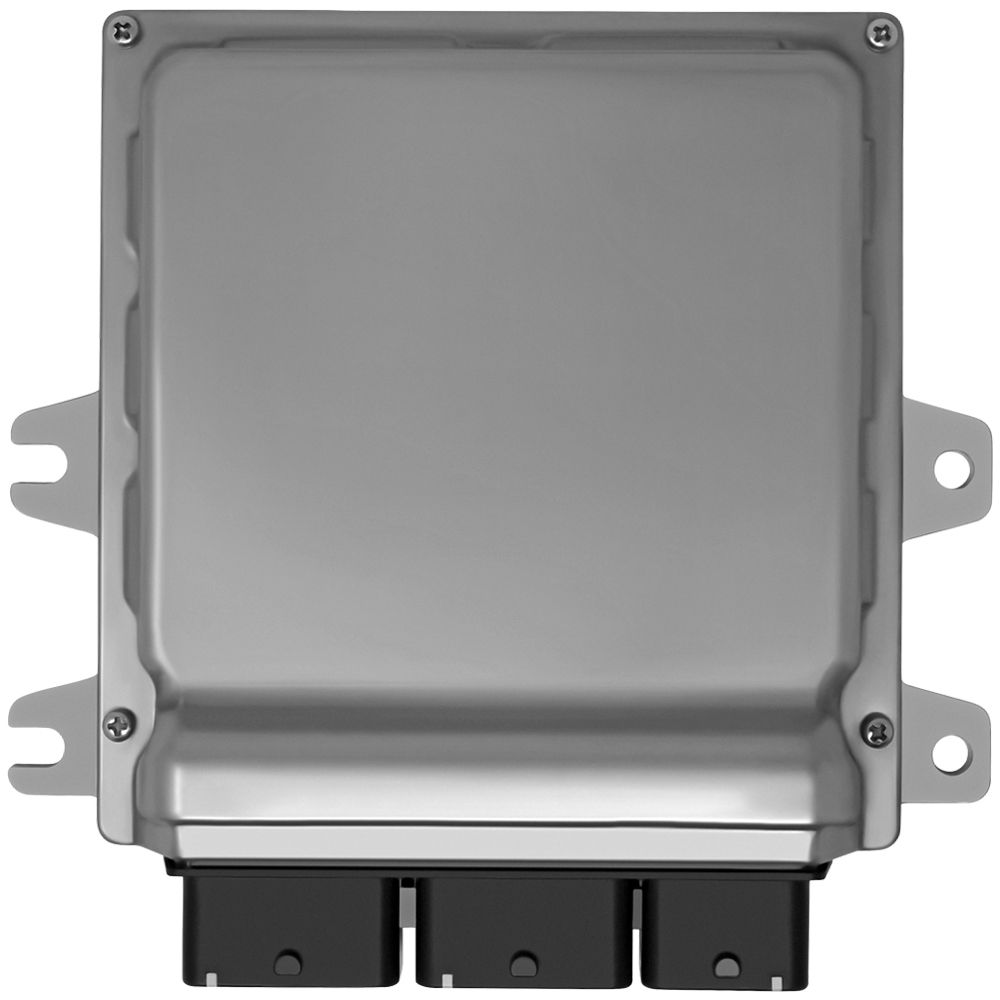
Flagship One stocks a refurbished, VIN-programmed PCM for the 2010 Infiniti EX35 with a lifetime warranty, free shipping and no core charge. The full Infiniti EX35 module lineup covers other engine configurations as well.
If your 2010 Infiniti EX35 is experiencing no‑start or erratic performance, addressing the PCM or ECM may resolve the issue. Consider a VIN‑programmed replacement to simplify installation and ensure proper operation. Contact a qualified technician to evaluate the best solution for your vehicle.