
Last updated on August 25th, 2026 at 12:14 pm
The engine control module (ECM) in your 1998 Infiniti Q45 manages fuel injection, ignition timing, and emissions systems. Failures may cause erratic engine behavior, poor performance, or complete no-start conditions due to corrupted data or electrical faults.
If your 1998 Infiniti Q45 has been acting up—stalling at stops, refusing to start, or throwing cryptic check-engine lights—your engine computer may be the culprit. This module, often called the ECM or PCM, is the brain behind your vehicle’s fuel delivery, ignition timing, and emissions controls. When it fails, the symptoms can range from subtle performance hiccups to a complete breakdown. Replacing it isn’t just about swapping a box; the new unit must be programmed to recognize your engine’s unique characteristics. Factory procedures add time and complexity, but a pre-programmed replacement can save you the hassle. Understanding the role of this module, how to spot its failures, and what the repair process entails will help you make an informed decision—whether you’re tackling the job yourself or leaving it to a shop.
The engine control module in your 1998 Infiniti Q45 is a compact but powerful computer that oversees nearly every aspect of engine operation. It constantly monitors sensors for data like air intake, throttle position, and exhaust oxygen levels, then adjusts fuel injection and ignition timing in real time to keep the engine running smoothly. Without it, your Q45 wouldn’t know how much fuel to deliver or when to spark the plugs, leading to poor performance or even a no-start condition. This module also plays a key role in emissions control, ensuring your vehicle meets regulatory standards. Over time, electrical surges, moisture intrusion, or simple wear can corrupt its programming or damage internal circuits. When that happens, you might notice symptoms like rough idling, hesitation under acceleration, or even a complete loss of power. Replacing it involves more than just bolting in a new unit; the ECM must be calibrated to your specific engine. That’s where replacement engine computers for the Q45 come into play, as they’re designed to integrate seamlessly with your vehicle’s systems. A properly functioning ECM is essential for maintaining fuel efficiency, drivability, and long-term reliability.
1998 Infiniti Q45
OEM programmed replacements — plug & play, no dealer visit.
Find yours by year, make & model →
Free shipping · Lifetime warranty
In the 1998 Infiniti Q45, the engine control module is located in the engine bay, typically mounted on the passenger-side firewall or inner fender. Accessing it requires removing a protective cover or air intake duct, but the job is straightforward for most mechanics. The factory labor guide allocates 0.5 hours for removal and reinstallation (R&R), which includes disconnecting the battery, unplugging the wiring harness, and securing the new unit with the original mounting hardware. No special tools or torque specifications are listed for this procedure, but care should be taken to avoid damaging the connectors or pins during handling. Once reinstalled, the module must undergo a relearn procedure to synchronize with the engine’s sensors, a step that adds another 0.5 hours of labor if performed manually.
| Operation | Configuration | Book Time |
|---|---|---|
| Powertrain Control Module R&R | All configurations | 0.5 hr |
| Engine Control Module Relearn | All configurations | 0.5 hr |
| Engine Control Module R&R | All configurations | 0.5 hr |
After replacing the engine control module in your 1998 Infiniti Q45, the factory procedure requires a reprogramming step to ensure the new unit communicates correctly with the engine’s sensors and systems. This process, often called a relearn, typically takes 0.5 hours and involves using specialized diagnostic tools like the Nissan Consult-II scanner to upload the correct calibration data. Without this step, the vehicle may run poorly or fail to start at all. However, a VIN-programmed replacement unit arrives pre-configured with your vehicle’s specific data, eliminating the need for dealer reprogramming. This not only saves time but also reduces the risk of errors during the calibration process. If you’re installing the module yourself, be sure to follow the manufacturer’s instructions for battery reconnection and initial startup to avoid triggering fault codes.
A failing engine control module in your 1998 Infiniti Q45 can manifest in several ways, often mimicking other mechanical or electrical issues. One of the most common signs is a no-start condition, where the engine cranks but refuses to fire, often due to the ECM failing to send the correct signals to the fuel injectors or ignition coils. Stalling at idle or during deceleration is another red flag, as the module may lose its ability to maintain stable engine speeds. You might also notice poor acceleration, hesitation, or surging, which can occur if the ECM misinterprets sensor data and delivers incorrect fuel or timing adjustments. Misfires are another frequent symptom, often accompanied by a check-engine light and stored trouble codes like internal control module memory checksum error. In some cases, the vehicle may enter a “limp mode,” where power is severely restricted to prevent further damage. Scan tool communication issues are also common; if the ECM is unresponsive or fails to communicate with diagnostic equipment, it may indicate a complete module failure. Electrical faults, such as voltage spikes or corroded connectors, can exacerbate these symptoms, so it’s important to rule out simpler issues before condemning the ECM.
Infiniti issued several service bulletins addressing engine control module reprogramming and diagnostic tool updates for the 1998 Q45. Bulletin ITB11049 outlines the procedure for reprogramming the ECM using the Consult-II diagnostic tool, which may be necessary after replacing the module or if software-related issues arise. Another bulletin, ITB04003, details an update to the Consult-II reprogramming software (version #5, labeled AER05A), which improves compatibility and reliability during the calibration process. These bulletins highlight the importance of using up-to-date tools and procedures when servicing the ECM, as outdated software can lead to incomplete or failed reprogramming attempts.
| Bulletin | Subject | What It Addresses |
|---|---|---|
| — | EC – ENGINE CONTROL SYSTEM: REPROGRAMMING WITH CONSULT | — |
| — | TE – TOOL & EQUIPMENT: CONSULT-II ECU REPROGRAMMING SOFTWARE UPDATE #5(AER05A) | — |
The ECM in your Q45 must synchronize with the engine’s sensors and systems to function correctly. A relearn procedure ensures the new module recognizes the vehicle’s specific calibration data, such as fuel trim values and ignition timing maps. Without this step, the engine may run poorly or fail to start.
Driving with a failing ECM is risky. The vehicle may stall unexpectedly, lose power, or enter limp mode, which restricts engine performance to prevent damage. If you suspect an ECM issue, it’s best to address it promptly to avoid further complications.
Common ECM failure symptoms include no-start conditions, stalling, misfires, and scan tool communication errors. However, these symptoms can also stem from faulty sensors, wiring issues, or fuel system problems. A diagnostic scan for trouble codes can help narrow down the cause.
Replacing the ECM typically requires basic hand tools to remove the protective cover and disconnect the wiring harness. A scan tool may be needed to clear codes after installation. If reprogramming is required, a Consult-II diagnostic tool with updated software is necessary.
A refurbished ECM can be a cost-effective option if it’s properly tested and pre-programmed to your VIN. New units are more expensive but may offer longer-term reliability. Ensure any replacement unit comes with a warranty and is compatible with your vehicle’s specific calibration.
If your 1998 Infiniti Q45 is exhibiting symptoms of a failing engine control module, you have a few options. A dealership can provide a new unit and handle the reprogramming, but this often comes with a higher cost and longer wait times. Alternatively, a refurbished or pre-programmed replacement can offer a quicker, more affordable solution. Flagship One units are designed to integrate seamlessly with your vehicle, eliminating the need for additional programming steps. Whether you choose to replace the module yourself or have a shop handle the installation, ensuring the unit is properly calibrated is key to restoring your Q45’s performance.
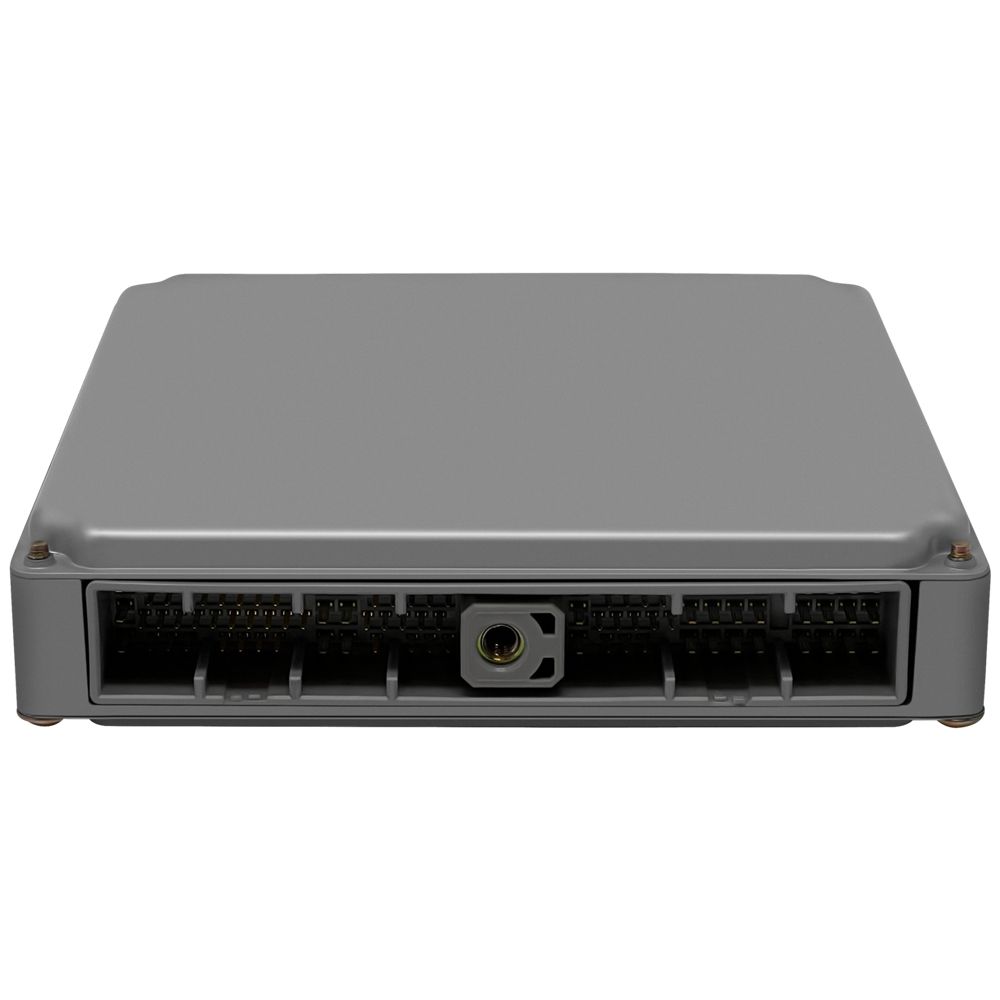
Flagship One stocks a refurbished, VIN-programmed PCM for the 1998 Infiniti Q45 with a lifetime warranty, free shipping and no core charge. The full Infiniti Q45 module lineup covers other engine configurations as well.
The engine control module in your 1998 Infiniti Q45 is a critical component that ensures smooth operation and reliable performance. If you’re experiencing symptoms like stalling, misfires, or a no-start condition, the ECM may be to blame. Replacing it involves more than just swapping hardware; proper programming is essential to avoid further issues. Whether you opt for a new or refurbished unit, addressing the problem promptly can save you time and frustration. If you’re ready to restore your Q45’s drivability, consider a pre-programmed replacement to simplify the process.