
Last updated on August 25th, 2026 at 01:18 pm
The powertrain control module (PCM) in the 1997 Infiniti J30 acts as the vehicle’s central computer, managing engine performance, fuel delivery, and emissions systems. Failure may cause erratic behavior, poor drivability, or complete engine shutdown.
If your 1997 Infiniti J30 has begun stalling unexpectedly, refusing to start, or throwing cryptic engine codes, the powertrain control module (PCM) may be the culprit. This compact computer governs everything from fuel injection timing to transmission shifting, making it one of the most critical components under the hood. When it fails, the symptoms can range from subtle drivability quirks to a complete loss of engine function. Replacing the PCM isn’t just about swapping a box—it involves careful installation and, in most cases, a factory-mandated relearn procedure to ensure the new unit syncs with your vehicle’s sensors. Understanding the role of this module, recognizing failure signs early, and knowing what the replacement process entails can save you time, frustration, and unnecessary diagnostic guesswork. Whether you’re a DIYer or planning to visit a shop, this guide will walk you through what to expect and how to approach the repair with confidence.
1997 Infiniti J30
OEM programmed ECM for your 1997 Infiniti J30 — plug & play, no dealer visit.
Free shipping · Lifetime warranty
In the 1997 Infiniti J30, the powertrain control module (PCM) serves as the brain of the engine and transmission systems. It continuously monitors data from sensors throughout the vehicle—such as the oxygen sensors, throttle position sensor, and crankshaft position sensor—to adjust fuel delivery, ignition timing, and shift points in real time. This ensures optimal performance, fuel efficiency, and emissions compliance. Without a properly functioning PCM, your J30 may struggle to maintain smooth idle, hesitate under acceleration, or even fail to start. The module also stores diagnostic trouble codes when it detects irregularities, which can help pinpoint issues during a scan. Because the J30 relies on precise fuel injection and ignition timing, a faulty PCM can lead to poor drivability or increased emissions. When replacement becomes necessary, replacement engine computers for the J30 are designed to restore full functionality, but they must be correctly installed and programmed to match your vehicle’s specifications.
The PCM in the 1997 Infiniti J30 is located behind the glove compartment, mounted to the passenger-side firewall. Accessing it requires removing the glove box and possibly the lower dashboard trim panel, though no major disassembly is typically needed. Once exposed, the module is secured with a single bolt or clip, and the wiring harness connector can be released by pressing a tab or lever. Replacement involves unplugging the old unit, transferring any necessary components (such as mounting brackets or heat shields), and installing the new module. Labor estimates for this procedure are approximately 0.7 hours, according to factory service manuals. After installation, the vehicle may require a relearn procedure, which adds another 0.5 hours of labor if performed by a shop. Proper torque on the mounting hardware is essential to prevent vibration damage, though specific torque values are not always provided in standard repair guides.
| Operation | Configuration | Book Time |
|---|---|---|
| Powertrain Control Module R&R | All configurations | 0.7 hr |
| Engine Control Module Relearn | All configurations | 0.5 hr |
| Engine Control Module R&R | All configurations | 0.7 hr |
A failing PCM in the 1997 Infiniti J30 often announces itself through a variety of symptoms, some of which may mimic other mechanical or electrical issues. One of the most common signs is a no-start condition, where the engine cranks but refuses to fire, often due to incorrect fuel or ignition timing signals from the module. Stalling at idle or during deceleration is another frequent complaint, as the PCM may fail to maintain the proper air-fuel mixture. Drivers might also notice rough idling, hesitation under acceleration, or a sudden drop in fuel economy, all of which can stem from erratic sensor readings or misfiring cylinders. In some cases, the transmission may shift harshly or fail to engage gears properly, as the PCM also governs shift points. Diagnostic trouble codes related to engine performance, such as internal control module memory checksum error, may appear during a scan, indicating a fault within the module itself. Additionally, a dead scan tool communication—where the OBD-II port fails to connect—can point to a complete PCM failure. Because these symptoms can overlap with issues like faulty sensors or wiring problems, proper diagnosis is essential before assuming the PCM is the root cause.
A weak or improperly charged battery can cause voltage fluctuations that disrupt the PCM’s operation, leading to stalling. The module may also require a relearn procedure after battery disconnection to recalibrate sensor readings. If the issue persists, the PCM itself may be failing and unable to maintain stable engine control.
While the vehicle may still run, a P0601 code indicates an internal memory error in the PCM, which can lead to unpredictable behavior. Driving with this code may result in poor performance, reduced fuel economy, or even a no-start condition. It’s best to address the issue promptly to avoid further complications.
Start by scanning for trouble codes—if multiple unrelated codes appear (e.g., oxygen sensor, throttle position, and crankshaft sensor), the PCM may be the culprit. A failed sensor typically triggers a single code. Additionally, if the scan tool fails to communicate with the PCM, the module itself may be dead.
A used PCM may physically fit, but it will likely require reprogramming to match your vehicle’s VIN and sensor calibrations. Without proper programming, the engine may run poorly or not at all. A VIN-programmed replacement unit eliminates this risk and ensures compatibility.
Skipping the relearn procedure can result in poor engine performance, harsh shifting, or even a no-start condition. The PCM needs to adapt to your vehicle’s specific sensors and transmission, and without this step, it may not function correctly. A pre-programmed unit avoids this issue entirely.
If your 1997 Infiniti J30 is exhibiting signs of PCM failure, you have two primary repair options: a refurbished OEM unit or a new aftermarket module. Refurbished units often provide a cost-effective solution while maintaining reliability, especially when sourced from a reputable supplier. For those seeking a hassle-free repair, a VIN-programmed replacement unit ensures compatibility and eliminates the need for additional programming steps. Given the labor involved in accessing and replacing the PCM, choosing the right unit upfront can save time and prevent repeat visits to the shop.
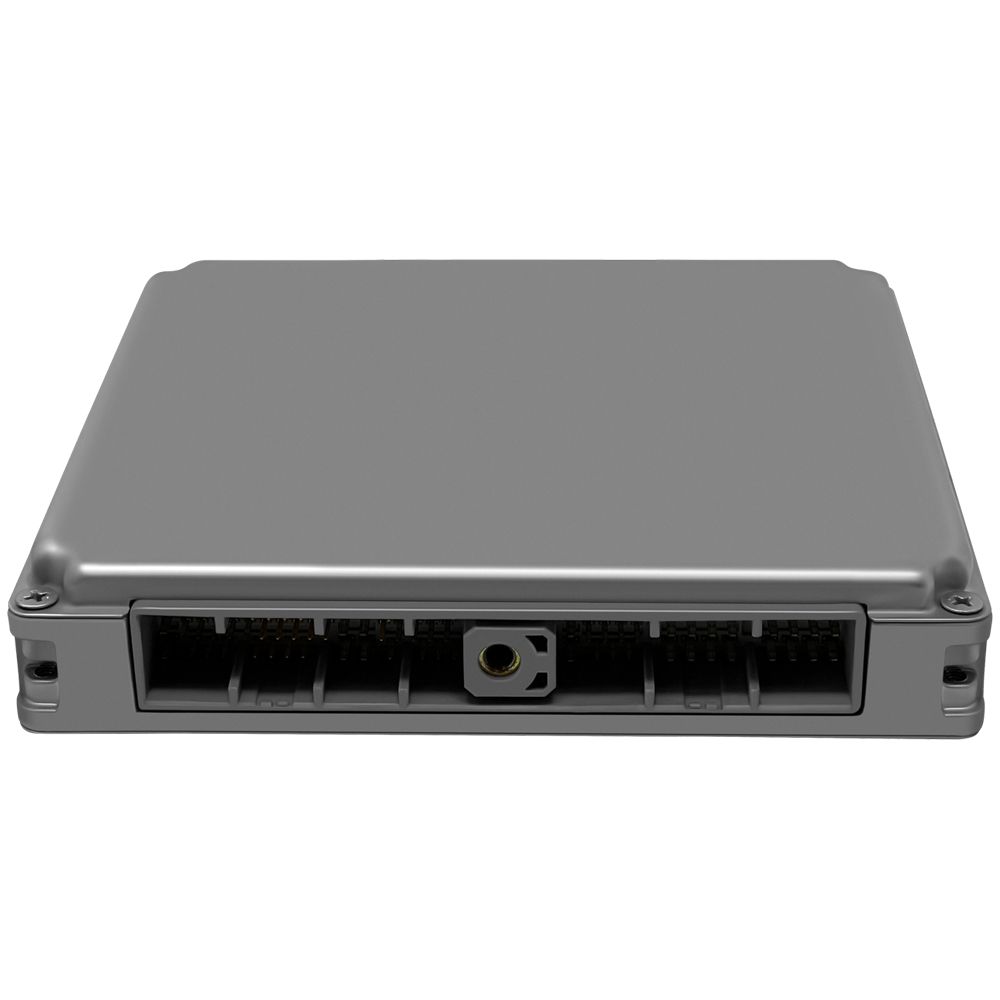
Flagship One stocks a refurbished, VIN-programmed PCM for the 1997 Infiniti J30 with a lifetime warranty, free shipping and no core charge. The full Infiniti J30 module lineup covers other engine configurations as well.
The 1997 Infiniti J30 relies on its PCM to manage critical engine and transmission functions, and when this module fails, the symptoms can range from subtle drivability issues to a complete breakdown. Recognizing the warning signs early—such as stalling, no-start conditions, or diagnostic trouble codes—can help you address the problem before it leaves you stranded. Whether you opt for a refurbished unit or a new replacement, ensuring the module is properly programmed to your VIN will streamline the repair process. With the right approach, your J30 can return to smooth, reliable operation for miles to come.