1992 Geo Metro ECM: What It Does, Where It Is, and When to Replace It
The engine control module (ECM) in your 1992 Geo Metro is the computer that manages fuel injection, ignition timing, and idle speed. When it fails, you may experience hard starts, stalling, or poor fuel economy. Unlike later OBD-II vehicles, this pre-OBD-II system does not store diagnostic trouble codes in a standardized format.
Quick Summary
- The ECM controls fuel delivery and ignition timing in your 1992 Geo Metro.
- Replacement typically requires 1.1 hours of labor, plus a 0.5-hour relearn procedure.
- The module is located behind the instrument panel on the driver’s side.
- A new or remanufactured ECM must be programmed to your vehicle’s VIN to function correctly.
- Flagship One units arrive pre-programmed, eliminating the need for a separate relearn step.
If your 1992 Geo Metro has been stalling, running rough, or refusing to start, the engine control module (ECM) may be the culprit. This small but critical computer manages everything from fuel injection to ignition timing, ensuring your engine runs smoothly. Unlike modern vehicles with advanced diagnostics, the Metro’s pre-OBD-II system doesn’t provide clear trouble codes, making failures harder to pinpoint. Replacing the ECM involves more than just swapping parts—it requires proper installation and programming to match your vehicle’s specifications. Understanding where the module is located, how to replace it, and what to expect afterward can save you time and frustration. Whether you’re diagnosing an intermittent issue or preparing for a full replacement, knowing the steps involved helps you make informed decisions about your repair options.
What the PCM Does in a 1992 Geo Metro
The engine control module (ECM) in your 1992 Geo Metro acts as the brain of the engine, continuously adjusting fuel delivery, ignition timing, and idle speed based on sensor inputs. Without it, your vehicle wouldn’t know how much fuel to inject or when to spark the plugs, leading to poor performance or a no-start condition. This module is particularly important in carburetor-to-fuel-injection conversions, as it ensures the engine runs efficiently under all driving conditions. Over time, heat, vibration, and electrical spikes may degrade its performance, causing symptoms like hesitation, stalling, or erratic idle. If you’re considering a replacement, replacement engine computers for the Geo Metro are available to restore proper function without the need for extensive reprogramming. Since this is a pre-OBD-II vehicle, the ECM doesn’t store standardized trouble codes, so diagnosing issues often relies on observing symptoms rather than scanning for faults.
Where the PCM Is Located and What Replacement Involves
In your 1992 Geo Metro, the ECM is tucked behind the instrument panel on the driver’s side, below and slightly to the rear of the dashboard. Accessing it requires removing the lower dash trim and possibly disconnecting wiring harnesses to reach the module’s mounting location. The replacement process typically takes 1.1 hours of labor, according to factory estimates. Once the old unit is removed, the new ECM must be securely fastened in place, and all electrical connections should be inspected for corrosion or damage. Since the module is in a relatively exposed area, it’s important to ensure the replacement is properly seated and that no wires are pinched or loose. After installation, a relearn procedure is required to synchronize the ECM with your vehicle’s sensors, which adds another 0.5 hours of labor if done separately.
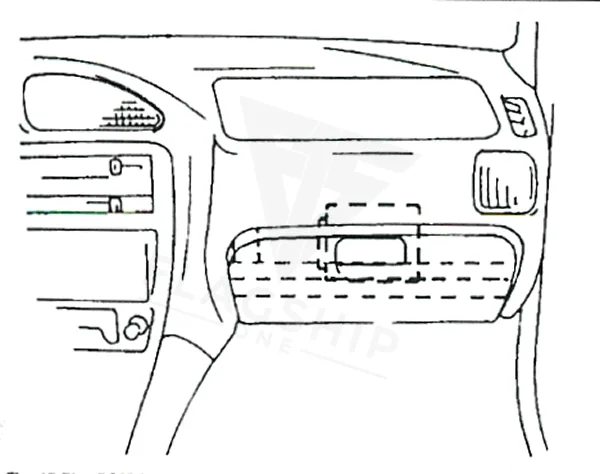
How to Reach the PCM on the 1992 Geo Metro
- Disconnect the negative battery cable.
- Remove the attaching hardware from the module.
- Disconnect the electrical connectors.
Work with the ignition off, and treat the module as static-sensitive: avoid touching the connector pins at any point.
| Operation | Configuration | Book Time |
|---|---|---|
| Powertrain Control Module R&R | All configurations | 1.1 hr |
| Powertrain Control Module Relearn | All configurations | 0.5 hr |
| Engine Control Module Relearn | All configurations | 0.5 hr |
| Engine Control Module R&R | All configurations | 1.1 hr |
Programming Requirements After Replacement
After replacing the ECM in your 1992 Geo Metro, the vehicle requires a relearn procedure to ensure the new module communicates correctly with the engine’s sensors. This process typically takes 0.5 hours and involves resetting the computer’s adaptive memory to match your specific engine’s characteristics. Without this step, your Metro may run poorly or fail to start altogether. However, if you install a VIN-programmed replacement unit, the relearn is already completed at the factory, saving you time and eliminating the need for additional programming. This is particularly useful for pre-OBD-II vehicles like yours, where diagnostic tools may not support all relearn functions. Flagship One units arrive ready to install, so you can avoid the extra labor and potential headaches of manual programming.
Symptoms of a Failing PCM
A failing ECM in your 1992 Geo Metro may cause a range of symptoms that can be frustrating to diagnose. Since this is a pre-OBD-II vehicle, you won’t see standardized trouble codes, but common issues include intermittent stalling, especially at idle or during deceleration. The engine may also hesitate or surge under acceleration, as the ECM struggles to maintain the correct air-fuel mixture. In some cases, the vehicle may refuse to start at all, leaving you with a cranking engine that never fires. Poor fuel economy is another red flag, as the ECM may default to a rich fuel mixture to compensate for sensor inaccuracies. Electrical gremlins, such as erratic gauge readings or accessories behaving unpredictably, can also point to ECM problems. If you’ve ruled out other causes like fuel pump failure or ignition issues, the ECM may be the next logical suspect. While these symptoms can overlap with other engine problems, persistent issues that defy conventional fixes often lead back to the module.
Protecting the PCM in Your 1992 Geo Metro
- Keep your battery and charging system in good condition to avoid voltage spikes that may damage the ECM.
- Inspect and clean electrical connectors regularly to prevent corrosion, which can disrupt module communication.
- Avoid jump-starting the vehicle with improper voltage, as this may overload sensitive electronics.
- Address any engine performance issues promptly to prevent secondary damage to the ECM.
- Ensure the ECM’s mounting location remains dry and free of debris to avoid moisture-related failures.
- Use dielectric grease on connectors to protect against moisture and oxidation.
Frequently Asked Questions
Can I replace the ECM in my 1992 Geo Metro myself?
Replacing the ECM is possible if you’re comfortable working behind the instrument panel and handling electrical connections. However, the module must be programmed to your vehicle’s VIN, which typically requires dealership or professional tools. If you’re not experienced with automotive electronics, it’s often easier to have a shop handle the installation and programming.
Why does my Geo Metro stall after replacing the ECM?
If your Metro stalls after an ECM replacement, it’s likely because the new module hasn’t been properly programmed or relearned. The vehicle needs time to adapt to the new computer’s settings, which is why a relearn procedure is required. Without it, the engine may run poorly or cut out entirely. A pre-programmed unit eliminates this step.
How do I know if my 1992 Geo Metro’s ECM is bad?
Common signs of a failing ECM include stalling, hesitation, poor fuel economy, and a no-start condition. Since this is a pre-OBD-II vehicle, you won’t see trouble codes, so diagnosis relies on observing symptoms. If other engine components check out, the ECM may be the issue. A professional scan tool can sometimes detect internal module faults.
Does the ECM in my Geo Metro control the transmission?
No, the ECM in your 1992 Geo Metro is dedicated to engine management and does not control the transmission. If you’re experiencing shifting issues, the problem is likely with the transmission control module or mechanical components, not the ECM.
Can a bad ECM cause my Geo Metro to misfire?
Yes, a failing ECM may cause misfires by disrupting ignition timing or fuel delivery. If the module isn’t sending the correct signals to the ignition coils or fuel injectors, the engine may run rough or misfire under load. However, misfires can also stem from spark plugs, wires, or fuel system issues, so it’s important to rule those out first.
If your 1992 Geo Metro is showing signs of ECM failure, you have a few repair options. A dealership or independent shop can replace and program the module, though labor costs may add up quickly. Alternatively, a remanufactured or new ECM from Flagship One arrives pre-programmed to your VIN, eliminating the need for a separate relearn procedure. This can save you time and ensure your vehicle runs smoothly without additional diagnostic steps. Whether you choose a DIY approach or professional installation, a properly functioning ECM is key to reliable performance.
Flagship One stocks a refurbished, VIN-programmed PCM for the 1992 Geo Metro with a lifetime warranty, free shipping and no core charge. The full Geo Metro module lineup covers other engine configurations as well.
Final Thoughts
The engine control module in your 1992 Geo Metro plays a critical role in keeping your engine running smoothly. If you’re dealing with stalling, poor performance, or a no-start condition, the ECM may be the root cause. Replacing it involves careful installation and programming, but a pre-programmed unit simplifies the process. Whether you tackle the job yourself or leave it to a professional, addressing ECM issues promptly can restore your Metro’s reliability and fuel efficiency.