
Last updated on August 25th, 2026 at 01:27 pm
The engine control module (ECM) in your 2009 GMC Yukon Hybrid manages fuel delivery, ignition timing, and hybrid system coordination. A failing ECM may cause erratic engine behavior, poor fuel economy, or complete no-start conditions.
If your 2009 GMC Yukon Hybrid has developed unexplained stalling, rough idle, or a refusal to start, the engine control module (ECM) may be at fault. This small but critical computer oversees fuel injection, spark timing, and hybrid system integration. When it malfunctions, symptoms can range from subtle performance issues to complete drivability failure. Understanding the ECM’s role, replacement process, and common failure signs helps you make informed decisions about repairs. With labor times and programming requirements clearly defined, you can approach the repair with confidence, knowing what to expect from start to finish.
In your 2009 GMC Yukon Hybrid, the engine control module (ECM) acts as the brain of the powertrain, continuously adjusting fuel delivery, ignition timing, and hybrid system coordination to optimize performance and efficiency. It processes data from sensors throughout the vehicle to ensure smooth operation under varying conditions. A malfunctioning ECM can disrupt these processes, leading to poor drivability or even a no-start condition. If replacement becomes necessary, you’ll need a reliable replacement engine computer for the Yukon Hybrid to restore proper function. The module’s precise control over engine and hybrid systems makes it indispensable for maintaining the vehicle’s performance and fuel economy.
The ECM in your 2009 GMC Yukon Hybrid is typically located near the engine bay, though exact placement may vary slightly depending on the model variant. Replacing the module involves disconnecting the battery, removing electrical connectors, and unbolting the unit from its mount. According to factory labor guides, the removal and reinstallation process takes 1.4 hours. After installation, a 0.5-hour relearn procedure is required to synchronize the new ECM with the vehicle’s systems. This step ensures proper communication between the module and the rest of the powertrain, allowing for seamless operation.
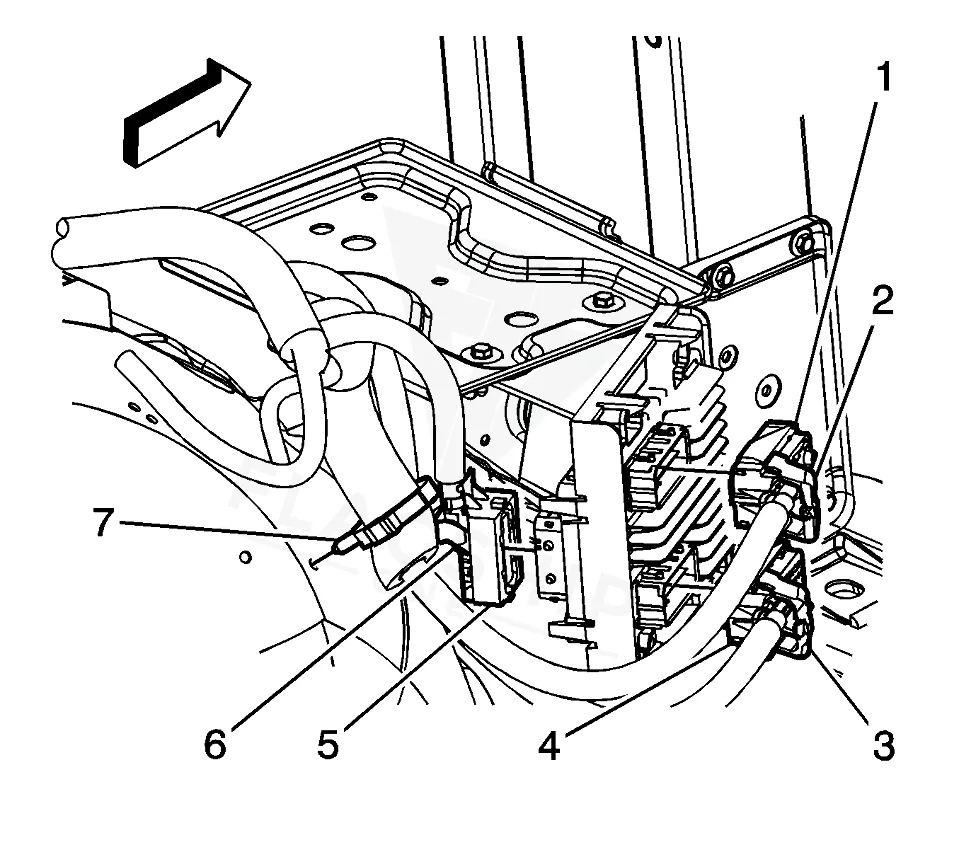
Work with the ignition off, and treat the module as static-sensitive: avoid touching the connector pins at any point.
| Operation | Configuration | Book Time |
|---|---|---|
| Powertrain Control Module R&R | Yukon | 1.4 hr |
| Powertrain Control Module R&R | Yukon XL 1500 | 1.4 hr |
| Powertrain Control Module R&R | Yukon XL 2500 | 1.4 hr |
| Powertrain Control Module Relearn | Yukon | 0.5 hr |
| Powertrain Control Module Relearn | Yukon XL 1500 | 0.5 hr |
| Powertrain Control Module Relearn | Yukon XL 2500 | 0.5 hr |
| Engine Control Module Relearn | Yukon | 0.5 hr |
| Engine Control Module Relearn | Yukon XL 1500 | 0.5 hr |
2009 GMC Yukon Hybrid: When the
OEM programmed replacements — plug & play, no dealer visit.
Find yours by year, make & model →
Free shipping · Lifetime warranty
Before removing the ECM from your 2009 GMC Yukon Hybrid, the factory procedure requires capturing the module’s data using a scan tool. This step preserves critical vehicle-specific information. After installing a new ECM, an additional 0.5-hour relearn process is necessary to calibrate the module to your vehicle. However, when you choose a VIN-programmed replacement unit, these steps are already completed, saving you time and ensuring immediate compatibility. This eliminates the need for post-installation programming, allowing your vehicle to return to service without delay.
A failing ECM in your 2009 GMC Yukon Hybrid may cause a range of symptoms, including intermittent stalling, rough idle, or a complete no-start condition. You might also notice poor fuel economy, erratic shifting, or warning lights on the dashboard. In some cases, the vehicle may enter a reduced-power mode to prevent further damage. Trouble codes like internal control module memory checksum error often appear when the ECM’s memory or processing functions are compromised. If your scan tool shows communication errors or persistent powertrain codes, the ECM may be the root cause.
The 2009 GMC Yukon Hybrid’s ECM can generate several internal trouble codes when it malfunctions. These codes typically indicate issues with memory, processing, or communication within the module itself. Addressing them promptly can prevent further drivability problems.
Factory service bulletin #09-08-68-001 addresses a rare but documented issue where the cruise control may turn off unexpectedly in the 2009 GMC Yukon Hybrid. This typically occurs when the driver operates both window switches simultaneously or activates the heated windshield washer fluid system in cold weather, especially with a battery charge below 80%. The bulletin recommends reprogramming the ECM to resolve the issue, highlighting the module’s role in managing accessory functions alongside engine control.
| Bulletin | Subject | What It Addresses |
|---|---|---|
| 09-08-68-001 | Cruise Control Turns Off During Operation (Reprogram ECM) – (Nov 13, 2009) | On rare occasions, some customers may comment that the cruise control turned off. This typically occurs during operation and while pulling up and releasing… |
Common signs include persistent no-start conditions, stalling, or warning lights on the dashboard. A scan tool may reveal internal ECM trouble codes like P0601 or P0603. If the vehicle exhibits these symptoms and other potential causes have been ruled out, the ECM may be faulty.
While physically replacing the ECM is straightforward, the process requires capturing module data before removal and performing a relearn procedure afterward. Without the proper tools and software, this can be challenging. Professional installation is often recommended to ensure proper calibration.
Factory service bulletins note that this issue may occur when operating both window switches or using the heated windshield washer fluid in cold weather. The ECM may require reprogramming to resolve the problem, as it manages both engine and accessory functions.
When the ECM in your 2009 GMC Yukon Hybrid fails, you have options for repair or replacement. While a dealership may offer a new module, a refurbished unit can provide the same reliability at a lower cost. Given the labor and programming requirements, choosing a pre-programmed replacement ensures a smoother installation process and faster return to service.
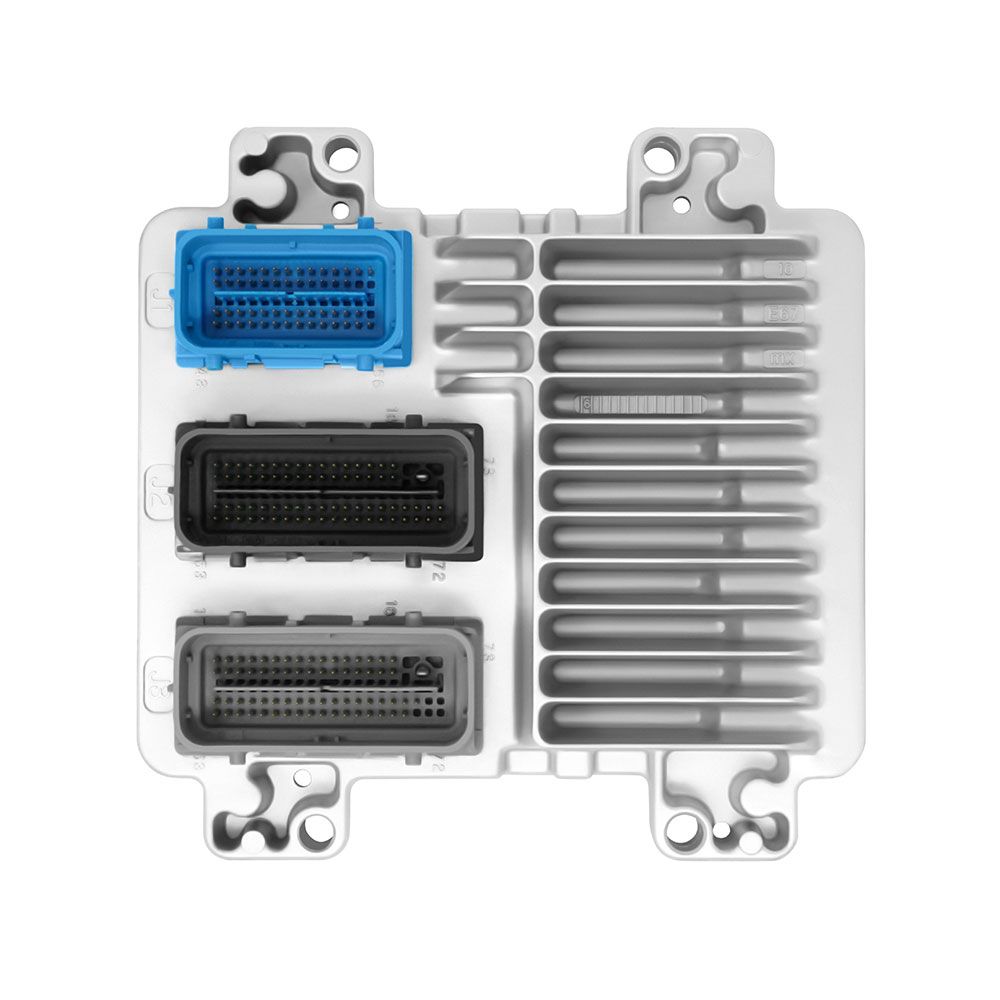
Flagship One stocks a refurbished, VIN-programmed PCM for the 2009 GMC Yukon Hybrid with a lifetime warranty, free shipping and no core charge. The full GMC Yukon Hybrid module lineup covers other engine configurations as well.
The 2009 GMC Yukon Hybrid relies on its ECM to manage critical engine and hybrid functions. If you’re experiencing stalling, no-start conditions, or other drivability issues, the module may be the culprit. Understanding the replacement process, labor times, and common symptoms helps you make informed decisions. With the right approach, you can restore your vehicle’s performance and reliability efficiently.