
Last updated on August 25th, 2026 at 01:28 pm
The Powertrain Control Module (PCM) in your 2004 GMC Envoy manages engine and transmission functions. A failing PCM may cause erratic shifting, stalling, or warning lights, often linked to internal faults or electrical issues.
If your 2004 GMC Envoy is experiencing rough shifts, an inoperative cruise control, or an illuminated Service Engine Soon light, the Powertrain Control Module (PCM) may be at fault. This critical component oversees engine and transmission performance, and its failure can disrupt drivability. Replacing the PCM involves specific steps, including labor time and post-install programming. Understanding the process helps you anticipate what’s involved and how to ensure a smooth repair. Whether you’re diagnosing symptoms or preparing for a replacement, knowing the facts can save time and prevent unnecessary complications.
The Powertrain Control Module in your 2004 GMC Envoy acts as the brain for both the engine and transmission. It processes sensor data to optimize fuel delivery, ignition timing, and shift points, ensuring smooth operation. When the PCM malfunctions, you may notice performance issues like hesitation, stalling, or warning lights. Replacing it requires careful handling, as the module must be programmed to match your vehicle’s specifications. A faulty PCM can often be identified by specific trouble codes, and opting for replacement engine computers for the Envoy ensures compatibility and reliability for this model’s systems.
The PCM in the 2004 GMC Envoy is located behind a cover near the engine bay. Replacing it involves disconnecting the negative battery cable first, as a factory caution advises. The cover should remain flexible enough to stay out of the way during removal, and it only needs to be taken off if you’re replacing the cover itself. Labor time for PCM removal and reinstallation is typically 1.4 hours across all Envoy variants, including the XUV and XL models. After installation, a relearn procedure of 0.5 hours is required to synchronize the module with your vehicle’s systems.
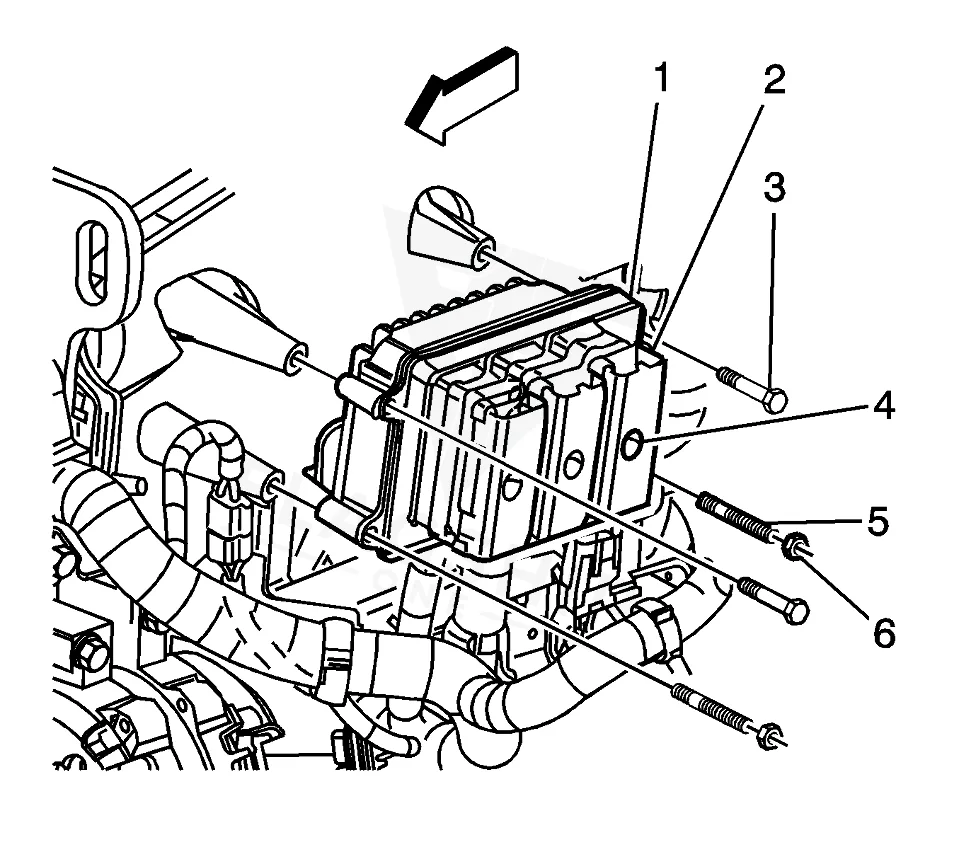
Work with the ignition off, and treat the module as static-sensitive: avoid touching the connector pins at any point.
| Operation | Configuration | Book Time |
|---|---|---|
| Powertrain Control Module R&R | Envoy | 1.4 hr |
| Powertrain Control Module R&R | Envoy XUV | 1.4 hr |
| Powertrain Control Module R&R | Envoy XL | 1.4 hr |
| Powertrain Control Module Relearn | Envoy | 0.5 hr |
| Powertrain Control Module Relearn | Envoy XUV | 0.5 hr |
| Powertrain Control Module Relearn | Envoy XL | 0.5 hr |
| Engine Control Module Relearn | Envoy | 0.5 hr |
| Engine Control Module Relearn | Envoy XUV | 0.5 hr |
2004 GMC Envoy
OEM programmed ECM for your 2004 GMC Envoy — plug & play, no dealer visit.
Free shipping · Lifetime warranty
After replacing the PCM in your 2004 GMC Envoy, the factory requires a relearn procedure to ensure proper operation. This step, which takes about 0.5 hours, helps the module adapt to your vehicle’s sensors and systems. Additionally, the remaining engine oil life must be recorded and programmed into the new module; otherwise, it defaults to 100%. Choosing a VIN-programmed replacement unit eliminates the need for these steps, as the module arrives pre-configured for your Envoy’s specifications, saving time and reducing the risk of errors.
A failing PCM in your 2004 GMC Envoy may cause a range of drivability issues. Common symptoms include rough or delayed shifts, an inoperative cruise control, and the Service Engine Soon light illuminating. You might also experience stalling, poor acceleration, or difficulty starting the vehicle. Scan tools may show no communication with the module or reveal internal faults like an internal control module memory error. These signs often point to electrical or programming issues within the PCM, making diagnosis and replacement necessary to restore proper function.
The 2004 GMC Envoy’s PCM may log specific internal trouble codes when it malfunctions. These codes help identify faults within the module itself, rather than external sensor or wiring issues. Reviewing them can confirm whether the PCM needs replacement or reprogramming.
Factory service bulletin #04-07-30-041 addresses issues in some 2004 GMC Envoys where customers report a harsh shift, inoperative cruise control, or an illuminated Service Engine Soon light with diagnostic trouble code P0741. The bulletin recommends reprogramming the Powertrain Control Module (PCM) to resolve these symptoms. If your Envoy exhibits these problems, following the bulletin’s guidance may restore proper transmission and cruise control function.
| Bulletin | Subject | What It Addresses |
|---|---|---|
| 04-07-30-041 | Service Engine Soon Light On, Diagnostic Trouble Code (DTC) P0741, Harsh Shift, Cruise Control | Some customers may comment on a harsh shift, inoperative cruise control, or an SES light |
Common signs include rough shifting, an inoperative cruise control, or warning lights like the Service Engine Soon indicator. A scan tool may reveal internal trouble codes such as P0601 or P0603, which often point to PCM issues. If these symptoms appear, further diagnosis is recommended.
While it’s possible for experienced DIYers, replacing the PCM involves disconnecting the battery, removing the module, and performing a relearn procedure. If you’re unfamiliar with these steps, professional installation ensures proper programming and avoids potential issues.
If the remaining engine oil life isn’t recorded and programmed into the new PCM, it will default to 100%. This may cause the oil change reminder to trigger prematurely or fail to alert you when maintenance is actually needed.
When your 2004 GMC Envoy’s PCM fails, you have options for replacement. A new or refurbished module can restore performance, but ensure it’s programmed correctly to avoid relearn procedures. For a hassle-free solution, a pre-programmed unit eliminates the need for post-install steps, getting your Envoy back on the road faster.
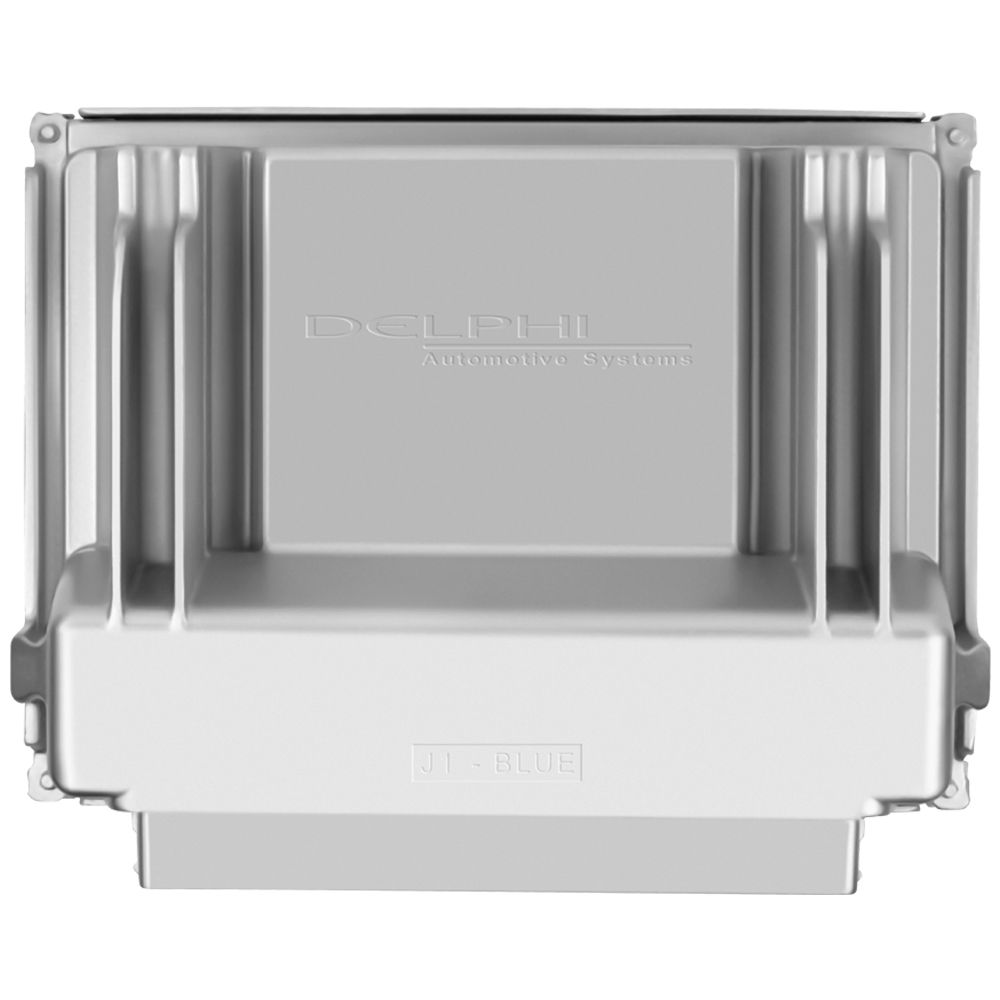
Flagship One stocks a refurbished, VIN-programmed PCM for the 2004 GMC Envoy with a lifetime warranty, free shipping and no core charge. The full GMC Envoy module lineup covers other engine configurations as well.
The 2004 GMC Envoy relies on its PCM to manage critical engine and transmission functions. If you’re experiencing shifting issues, warning lights, or other symptoms, a replacement module may be necessary. Understanding the process and choosing the right unit ensures a smooth repair and reliable performance for your vehicle.