
Last updated on August 25th, 2026 at 01:13 pm
The Powertrain Control Module in a 1997 GMC Yukon 5.7L is the central computer that manages fuel delivery, ignition timing, and transmission shifts. When it fails, you may experience hard starts, erratic performance, or a complete no-start condition.
When your 1997 GMC Yukon with the 5.7L V8 begins acting erratically—refusing to start, stalling unexpectedly, or shifting harshly—the root cause may lie in its Powertrain Control Module. This computer is the brain behind your engine and transmission, and like any electronic component, it can degrade over time. Heat, vibration, and voltage spikes all take a toll. Recognizing the signs of a failing module early can save you from being stranded and help you avoid unnecessary parts swapping. This article explains what the PCM does in your Yukon, where it’s located, how to replace it, and what programming is required. You’ll also learn about factory service bulletins that address known issues and get practical tips to extend the life of your new module. By understanding the role of this component and the replacement process, you can make an informed decision and get your truck back on the road with confidence.
The Powertrain Control Module in your 1997 GMC Yukon 5.7L is the primary computer that orchestrates engine and transmission operation. It receives data from sensors—such as the throttle position, coolant temperature, oxygen sensors, and crankshaft position—and uses that information to calculate the ideal air-fuel mixture, ignition timing, and shift points. The PCM also monitors the torque converter clutch engagement and manages emissions controls. Without a properly functioning module, the engine may run rich or lean, misfire, or fail to start altogether. Transmission behavior can become erratic, with harsh or delayed shifts. Because the PCM is so deeply integrated into the vehicle’s systems, a fault can mimic other component failures, leading to misdiagnosis. When troubleshooting, it’s important to consider the PCM as a potential source if multiple sensors report implausible values or if the module fails to communicate with a scan tool. For those seeking replacement PCMs for the 1997 Yukon, a quality unit that matches the original calibration is essential to restore proper driveability and emissions compliance.
1997 GMC Yukon 5.7L
OEM programmed ECM for your 1997 GMC Yukon 5.7L — plug & play, no dealer visit.
Free shipping · Lifetime warranty
The PCM on a 1997 GMC Yukon 5.7L is mounted inside the engine compartment, typically on the passenger side near the coolant reservoir or inner fender. It is housed in a plastic case with a large electrical connector that locks into place. Replacing the module involves disconnecting the negative battery cable, releasing the connector, and removing the mounting hardware. The book time for engine control module removal and replacement on the gas engine is 1.1 hours. After installation, a Powertrain Control Module relearn procedure is specified at 0.5 hours. This relearn allows the module to adapt to the vehicle’s sensors and actuators. No special tools are required beyond basic hand tools, but care should be taken to avoid static discharge and to ensure the connector is fully seated. The mounting location provides reasonable access, though working around the coolant reservoir may require some patience.
| Operation | Configuration | Book Time |
|---|---|---|
| Powertrain Control Module Relearn | All configurations | 0.5 hr |
| Engine Control Module R&R | GAS | 1.1 hr |
| Engine Control Module R&R | DIESEL | 1.1 hr |
Factory service procedures for the 1997 GMC Yukon require that a replacement PCM undergo a relearn process to synchronize with the vehicle’s security system and sensor calibrations. This typically involves a scan tool and access to the manufacturer’s programming software. However, when you order a VIN-programmed replacement PCM, the module arrives already configured with your Yukon’s specific calibration, security data, and VIN. This means the relearn procedure is effectively completed before the part reaches your door. You simply install the module and start the engine—no additional programming or relearn steps are necessary. The 0.5-hour relearn labor time listed in service information is for a blank module that must be initialized by a technician. With a pre-programmed unit, that time and expense are eliminated, allowing you to complete the job in the time it takes to physically swap the PCM.
A failing PCM in a 1997 GMC Yukon 5.7L can produce a wide range of symptoms that often appear intermittently at first. You may notice the engine cranks but refuses to start, or it starts and immediately stalls. Rough idling, misfires, and hesitation under acceleration are common. The transmission may shift erratically, hang in gear, or fail to engage the torque converter clutch properly, leading to a chuggle or surge sensation. In some cases, the check engine light illuminates, but a scan tool cannot establish communication with the module. Other signs include poor fuel economy, black smoke from the exhaust, or a no-crank condition. Because the PCM controls the fuel pump relay and ignition, a complete failure can leave you stranded. These symptoms can also be caused by wiring issues or sensor faults, so thorough diagnosis is important before condemning the module.
Two factory service bulletins apply to the 1997 GMC Yukon 5.7L PCM. Bulletin #77-71-53, issued in March 1997, addresses a chuggle or surge during torque converter clutch apply with no diagnostic trouble codes stored. The correction involves reflashing the PCM with updated calibration software. Bulletin #99-06-04-053, from October 1999, provides general information on PCM reprogramming procedures and precautions. It emphasizes the importance of using the correct software version and following proper reprogramming steps to avoid damaging the module. These bulletins highlight that some driveability concerns can be resolved through software updates rather than hardware replacement, though a failed PCM will still require physical replacement.
| Bulletin | Subject | What It Addresses |
|---|---|---|
| 99-06-04-053 | Info – PCM Reprogramming – (Oct 26, 1999) | — |
| 77-71-53 | CHUGGLE / SURGE ON TCC APPLY NO DTC’S – REFLASH PCM – (Mar 3, 1997) | — |
If you have a no-start condition, no communication with a scan tool, or multiple sensor codes that return after replacement, the PCM may be at fault. A professional diagnosis can confirm whether the module has failed.
Used PCMs often carry existing faults or incorrect VIN programming. A refurbished unit that has been tested and pre-programmed to your vehicle’s VIN is a more reliable choice.
Yes, the PCM is programmed with your VIN and vehicle-specific calibration. You simply install it, reconnect the battery, and start the engine—no additional programming is required.
In the 1997 GMC Yukon, the PCM is a combined unit that controls both the engine and transmission. An ECM typically controls only the engine, but your vehicle uses a single PCM for both functions.
Yes, because the PCM manages shift solenoids and torque converter lockup. A failing module can cause harsh shifts, slipping, or a chuggle sensation during TCC apply.
When your 1997 GMC Yukon 5.7L needs a new PCM, you have two paths: a dealer-installed unit with programming fees and labor, or a pre-programmed replacement that arrives ready to install. The latter approach saves time and money while delivering the same factory calibration. With the module already configured to your VIN, you can complete the swap in your own garage using basic tools.
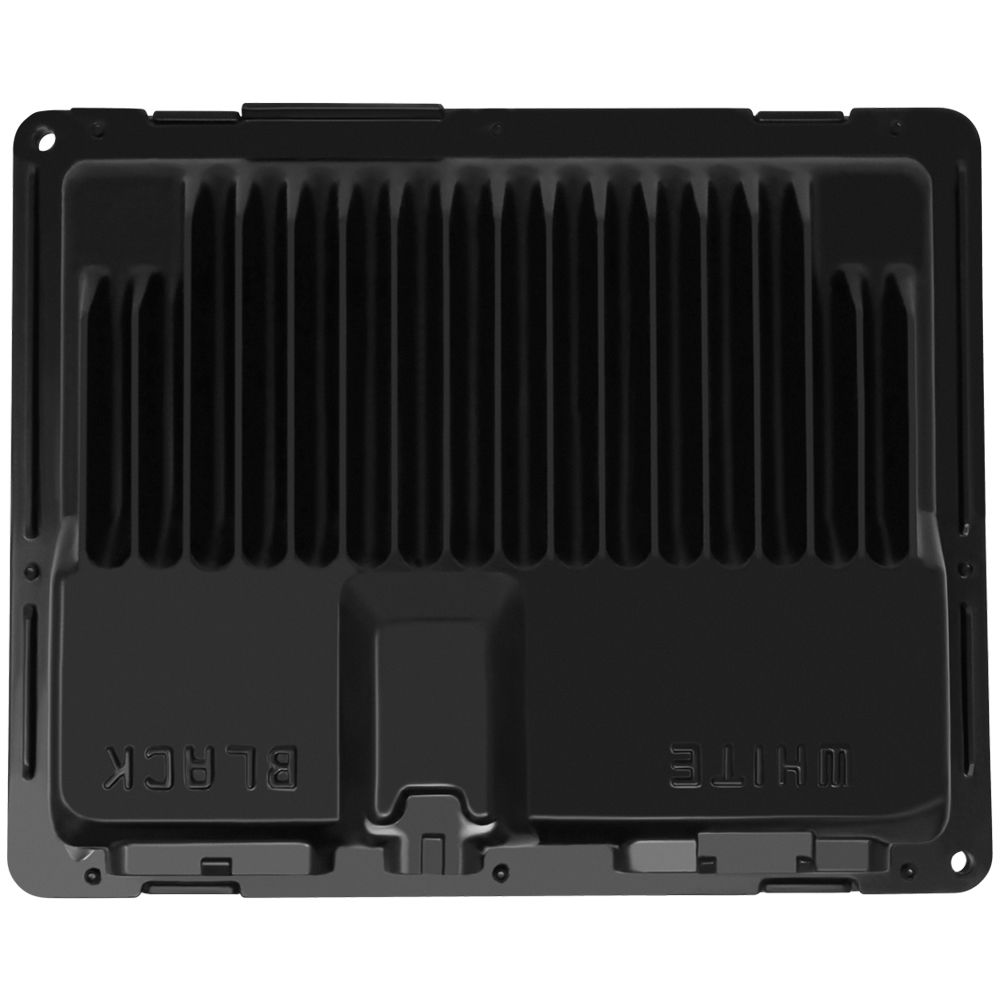
Flagship One stocks a refurbished, VIN-programmed PCM for the 1997 GMC Yukon with a lifetime warranty, free shipping and no core charge. The full GMC Yukon module lineup covers other engine configurations as well.
A failing PCM doesn’t have to sideline your 1997 GMC Yukon 5.7L. By understanding the symptoms, replacement process, and programming requirements, you can tackle the job with confidence. A pre-programmed module eliminates the most complex step, letting you get back behind the wheel quickly and reliably.