
Last updated on August 25th, 2026 at 01:33 pm
The Powertrain Control Module (PCM) in your 2010 Ford Focus acts as the vehicle’s central computer, managing engine performance, fuel delivery, and transmission behavior. Internal faults may lead to erratic operation, no-start conditions, or stored trouble codes like P0606.
If your 2010 Ford Focus has been acting unpredictably—stalling at stops, refusing to start, or throwing cryptic engine codes—you may be dealing with a failing Powertrain Control Module (PCM). This small but critical computer oversees nearly every aspect of your engine’s operation, from fuel injection timing to transmission shifting. When it malfunctions, the symptoms can range from subtle drivability quirks to complete immobilization. Replacing the PCM isn’t just about swapping a part; it involves precise installation and, in most cases, a factory-mandated relearn procedure to ensure the new module communicates correctly with the rest of your vehicle’s systems. Understanding what the PCM does, where it’s located, and what to expect during replacement can help you make informed decisions—whether you’re tackling the job yourself or working with a shop. This guide covers the essentials: how to spot PCM failure, what the replacement process entails, and why opting for a pre-programmed unit can save you time and frustration.
The Powertrain Control Module (PCM) in your 2010 Ford Focus serves as the brain of the engine and transmission, continuously monitoring and adjusting performance to keep your vehicle running smoothly. It processes data from sensors throughout the engine bay—like the throttle position, oxygen, and crankshaft sensors—to optimize fuel delivery, ignition timing, and emissions control. The PCM also manages transmission shift points, ensuring smooth acceleration and efficient power delivery. When this module fails, the consequences can be immediate and severe: your Focus may refuse to start, stall unexpectedly, or run poorly due to incorrect fuel mixtures or timing. Because the PCM is so integral to operation, diagnosing its failure often requires a professional scan tool to read internal fault codes. If replacement becomes necessary, you’ll need a module that’s compatible with your vehicle’s specific configuration. replacement engine computers for the Focus are designed to match the original unit’s capabilities, but they must also be programmed to your VIN to ensure seamless integration with the rest of your vehicle’s systems. Without proper programming, even a new PCM won’t function correctly, leading to further drivability issues.
2010 Ford Focus
OEM programmed ECM for your 2010 Ford Focus — plug & play, no dealer visit.
Free shipping · Lifetime warranty
In the 2010 Ford Focus, the PCM is located in the engine bay, typically mounted near the firewall or on the driver’s side fender well. Accessing it requires removing a few plastic covers and possibly the air intake duct to reach the module’s mounting bolts. The replacement process is straightforward but requires care to avoid damaging connectors or wiring. According to factory labor estimates, removing and reinstalling the PCM takes about 0.6 hours. This includes disconnecting the battery, unplugging the wiring harness, removing the mounting bolts, and installing the new unit in reverse order. No special tools are required beyond basic hand tools, but it’s important to ensure the connectors are fully seated and the module is securely fastened to prevent vibration-related issues. After installation, the battery must be reconnected, and the vehicle will need a relearn procedure to synchronize the new PCM with the engine and transmission systems.
| Operation | Configuration | Book Time |
|---|---|---|
| Powertrain Control Module R&R | All configurations | 0.6 hr |
| Engine Control Module Relearn | All configurations | 0.5 hr |
| Engine Control Module R&R | All configurations | 0.6 hr |
After installing a new PCM in your 2010 Ford Focus, the factory procedure requires a 0.5-hour relearn process to ensure the module communicates correctly with the engine, transmission, and other onboard systems. This step typically involves using a professional-grade scan tool to reset adaptive values, recalibrate sensor readings, and synchronize the module with the vehicle’s immobilizer system. Without this relearn, your Focus may experience poor performance, shifting issues, or even a no-start condition. However, if you opt for a VIN-programmed replacement unit, these steps are already completed before the module arrives. The unit is pre-loaded with your vehicle’s specific calibration data, eliminating the need for dealer reprogramming and allowing you to install it with minimal downtime. This not only saves time but also reduces the risk of complications that can arise from improper relearn procedures.
A failing PCM in your 2010 Ford Focus can manifest in several ways, often mimicking other mechanical or electrical issues. One of the most common symptoms is a no-start condition, where the engine cranks but refuses to fire. This happens because the PCM controls fuel injection and ignition timing, and if it’s not functioning correctly, the engine won’t receive the signals it needs to run. Another frequent issue is stalling, particularly at idle or during low-speed driving, which can be dangerous if it occurs in traffic. You may also notice poor acceleration, rough idling, or a general lack of power, as the PCM struggles to manage fuel and air mixtures effectively. Transmission shifting problems, such as harsh or delayed gear changes, can also indicate PCM trouble, since the module governs shift points and torque converter lockup. In some cases, the check engine light will illuminate, and a scan tool may reveal communication errors or internal module faults. For example, a PCM processor fault often points to an internal failure within the module itself, signaling that replacement is likely necessary. Other symptoms may include erratic gauge readings, intermittent electrical gremlins, or even the vehicle entering a limp-home mode to prevent further damage. Because these symptoms can overlap with other issues—like a failing sensor or wiring problem—it’s important to diagnose the PCM thoroughly before assuming it’s the root cause.
When the PCM in your 2010 Ford Focus fails, it often sets one or more internal trouble codes that can help pinpoint the issue. These codes are stored in the module’s memory and can be retrieved using a diagnostic scan tool. For this vehicle, one of the documented codes is P0606, which typically indicates an internal processor fault within the PCM itself.
| Code | Meaning | Full Guide |
|---|---|---|
| P0606 | Module processor failure | Full P0606 guide → |
Driving with a P0606 code is risky, as it indicates an internal PCM failure. While the vehicle may still run, it could stall unexpectedly or enter limp mode, limiting performance. It’s best to address the issue promptly to avoid further complications.
Diagnosing a bad PCM involves checking for consistent communication with a scan tool and verifying that all sensors and actuators are functioning correctly. If the PCM fails to respond or sets internal fault codes like P0606, it’s likely the module itself. A professional diagnostic test can confirm the issue.
A used PCM may work, but it must be programmed to your vehicle’s VIN and configuration. Without proper programming, the module won’t communicate with the engine, transmission, or immobilizer system, leading to drivability issues or a no-start condition.
Skipping the relearn procedure can result in poor engine performance, shifting issues, or a no-start condition. The PCM needs to synchronize with the vehicle’s systems to function correctly, and the relearn ensures all adaptive values are reset and calibrated properly.
Replacing the PCM is a straightforward process that many DIYers can handle, but it requires careful attention to detail. If you’re comfortable working with electrical components and have basic tools, you can do it yourself. However, if you’re unsure about the programming or relearn procedure, a shop can ensure the job is done correctly.
If your 2010 Ford Focus is experiencing PCM-related issues, you have a few options for moving forward. A repair shop can diagnose and replace the module, but this often involves additional labor costs for programming and relearn procedures. Alternatively, opting for a pre-programmed replacement unit ensures the module is ready to install right out of the box, saving you time and potential headaches. Whether you choose a new or refurbished unit, make sure it’s compatible with your vehicle’s specific configuration to avoid compatibility issues down the road.
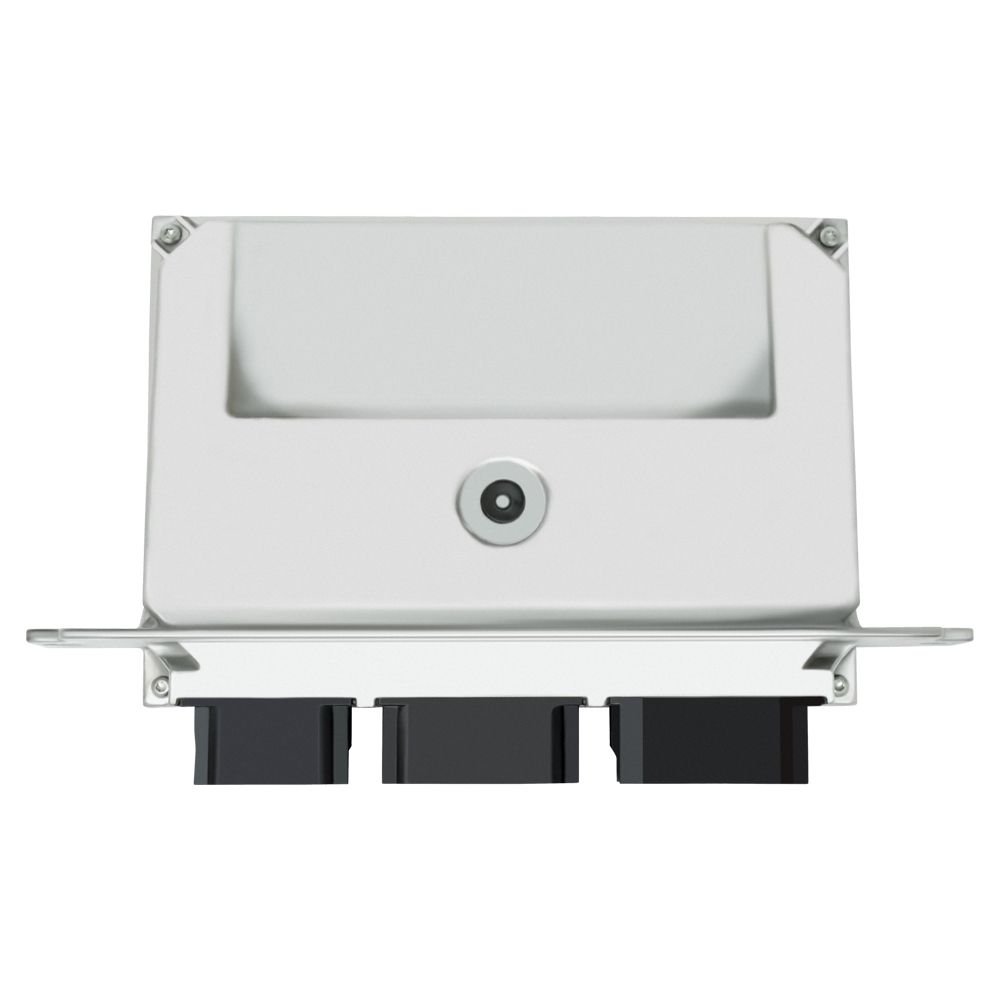
Flagship One stocks a refurbished, VIN-programmed PCM for the 2010 Ford Focus with a lifetime warranty, free shipping and no core charge. The full Ford Focus module lineup covers other engine configurations as well.
The PCM in your 2010 Ford Focus plays a critical role in keeping your vehicle running smoothly, and when it fails, the symptoms can be frustrating and disruptive. Understanding the signs of PCM trouble, the replacement process, and the importance of proper programming can help you make informed decisions about repairs. Whether you tackle the job yourself or leave it to a professional, addressing PCM issues promptly will get your Focus back on the road reliably. If you’re considering a replacement, a pre-programmed unit can simplify the process and ensure a smooth installation.