
Last updated on August 25th, 2026 at 12:15 pm
The powertrain control module (PCM) in the 2006 Ford GT manages fuel delivery, ignition timing, and emissions functions for the supercharged 5.4L V8. When this module fails, the vehicle may experience starting difficulties, erratic idle behavior, or complete engine shutdown, leaving the car undrivable until the unit is replaced and properly programmed.
When a powertrain control module begins to fail in a 2006 Ford GT, the consequences can range from intermittent drivability glitches to a complete no-start condition. The supercharged 5.4L V8 relies on precise electronic management for fuel delivery, ignition timing, and emissions control, and the PCM serves as the central processor orchestrating all of these functions. Owners of this low-production supercar may find that diagnosing a faulty engine computer requires specialized scan equipment and a methodical approach, since the symptoms often overlap with other electrical or sensor-related issues. Understanding what the PCM does, how it communicates with the vehicle’s security system, and what steps are necessary after a replacement unit is installed can save significant time and frustration. The passive anti-theft system integration is particularly important, because a new module must be synchronized with the vehicle’s encoded keys before the engine will start. This guide covers the role of the PCM in the 2006 Ford GT, common failure indicators, what the factory programming procedure entails, and how a pre-programmed replacement can streamline the repair process. With the right information, replacing the engine computer becomes a manageable project rather than an unpredictable ordeal.
2006 Ford GT 5.4L
OEM programmed ECM for your 2006 Ford GT 5.4L — plug & play, no dealer visit.
Free shipping · Lifetime warranty
The powertrain control module in the 2006 Ford GT functions as the primary electronic brain overseeing the supercharged 5.4L V8 engine. This processor continuously reads input from dozens of sensors monitoring airflow, coolant temperature, throttle position, camshaft timing, and oxygen levels in the exhaust stream. Using those readings, the PCM calculates precise fuel injector pulse widths, ignition advance angles, and boost control strategies to keep the engine operating efficiently and within emissions limits throughout the rev range. Because the Ford GT produces substantial horsepower from a forced-induction architecture, the PCM calibration is uniquely tuned for that specific engine configuration. The module also interfaces with the transmission, charging system, and the passive anti-theft system, creating an integrated network where a fault in the central computer can affect multiple vehicle systems simultaneously. When the PCM loses internal memory or develops circuit-board degradation, the engine may refuse to start, run roughly, or trigger a cascade of diagnostic trouble codes that do not correspond to actual sensor failures. Selecting Ford GT replacement engine computers requires attention to the exact part number and calibration code, since an incorrect unit may run poorly or fail to communicate with the security system at all. The PATS integration means the PCM must recognize the encoded transponder keys before enabling fuel delivery and ignition. A mismatch between the module and the vehicle’s stored key codes will prevent the engine from starting, even if every other component functions correctly. This security layer protects against theft but adds complexity to the replacement process, making proper programming essential for a successful repair.
Replacing the PCM in a 2006 Ford GT involves disconnecting the vehicle’s battery to protect the electronic circuitry from voltage spikes during the swap. The module connects to the engine wiring harness through a multi-pin connector that must be carefully released without damaging the locking tab. Once the old unit is removed, the replacement module seats in the same mounting position and the connector reattaches firmly to ensure all pins make proper contact. The replacement process itself is typically straightforward for anyone familiar with automotive electrical connectors, though access may be limited depending on where the module sits within the engine bay or cabin structure. After the new PCM is physically installed, the critical step is ensuring the passive anti-theft system recognizes the vehicle’s encoded keys. Without this synchronization, the engine will crank but refuse to start, as the PATS logic disables the fuel system when it detects an unrecognized module. A diagnostic scan tool capable of PATS initialization is typically required to complete the security handshake between the new computer and the existing transponder keys.
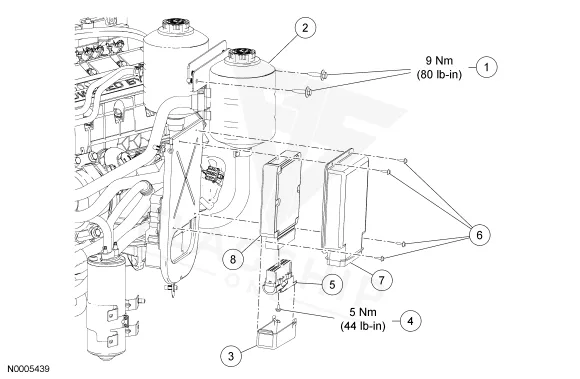
Work with the ignition off, and treat the module as static-sensitive: avoid touching the connector pins at any point.
After the PCM is replaced in a 2006 Ford GT, the factory procedure requires reprogramming the passive anti-theft system so the new module recognizes the vehicle’s encoded transponder keys. This PATS reprogramming step is essential because the engine management computer and the security system must share matching data for the fuel injectors and ignition to be enabled. Without completing this handshake, the engine will crank but fail to start. The factory programming process typically involves connecting a compatible diagnostic tool to the OBD-II port and following a sequence that erases old key data from the replacement module, then reintroduces each transponder key so the PCM stores the unique identification codes. When you install a VIN-programmed replacement unit from Flagship One, the PATS reprogramming and VIN-specific calibration are already completed at the factory level. This means the module arrives ready to communicate with your vehicle’s security system, and the keys can typically be recognized without an additional trip to the dealership for programming equipment.
A failing PCM in the 2006 Ford GT can produce a wide range of symptoms that often mimic other electrical or sensor problems, making diagnosis challenging without proper scan equipment. One of the most common indicators is a no-start condition where the engine cranks but never fires, which frequently points to a loss of communication between the PCM and the passive anti-theft system. The security light on the instrument panel may flash rapidly during cranking, signaling that the module does not recognize the transponder key and has disabled the fuel system. Intermittent stalling is another frequent complaint, particularly when the engine is warm or under load. The vehicle may run normally for a period and then suddenly shut off without warning, only to restart after sitting for several minutes. This behavior often correlates with thermal expansion issues inside the PCM’s circuit board, where microscopic solder joints crack and lose continuity as temperatures rise. Additional symptoms may include rough idle, reduced power output, erratic transmission behavior, and a persistent check engine light with codes that return immediately after being cleared. In some cases, a diagnostic scanner may fail to establish communication with the PCM entirely, which strongly suggests internal module failure rather than a peripheral sensor issue. Misfire codes that appear across multiple cylinders simultaneously, especially when the ignition coils and spark plugs have been verified as functional, may also indicate that the PCM is no longer firing the injectors or coils in the correct sequence. Unusual fuel consumption increases and failed emissions tests can accompany these drivability problems.
The PCM in a 2006 Ford GT may fail due to thermal stress from engine bay heat, voltage spikes from a faulty alternator or jump-starting, moisture intrusion through degraded connector seals, or age-related degradation of internal solder joints. Over time, vibration and heat cycling can weaken the circuit board, leading to intermittent or complete failure.
Driving with a failing PCM is not recommended. The vehicle may stall unexpectedly, lose power, or fail to restart, creating a safety hazard. Additionally, continuing to operate the engine with an improperly functioning module can cause secondary damage to components such as catalytic converters or ignition coils.
Yes, the factory procedure requires reprogramming the passive anti-theft system so the new PCM recognizes the vehicle’s transponder keys. Without this step, the engine will crank but refuse to start. A VIN-programmed unit from Flagship One arrives with this calibration already completed.
A thorough diagnostic approach using a professional-grade scan tool is the most reliable way to distinguish a PCM failure from a sensor issue. If the scanner cannot communicate with the module at all, or if multiple unrelated codes appear simultaneously and return immediately after clearing, the PCM itself is a likely suspect.
The passive anti-theft system is Ford’s security feature that prevents the engine from starting unless the PCM recognizes the encoded transponder chip in the ignition key. When the PCM is replaced, the new module must be synchronized with the existing keys through a programming procedure to enable fuel delivery and ignition.
When the PCM in your 2006 Ford GT begins to fail, you have two main paths: attempting a repair of the existing module or installing a quality refurbished replacement unit. Repairing the original computer may seem cost-effective, but internal board damage often progresses and can lead to repeated failures. A professionally remanufactured and VIN-programmed replacement from Flagship One provides a more reliable solution, arriving with the calibration and PATS programming already completed for your specific vehicle.
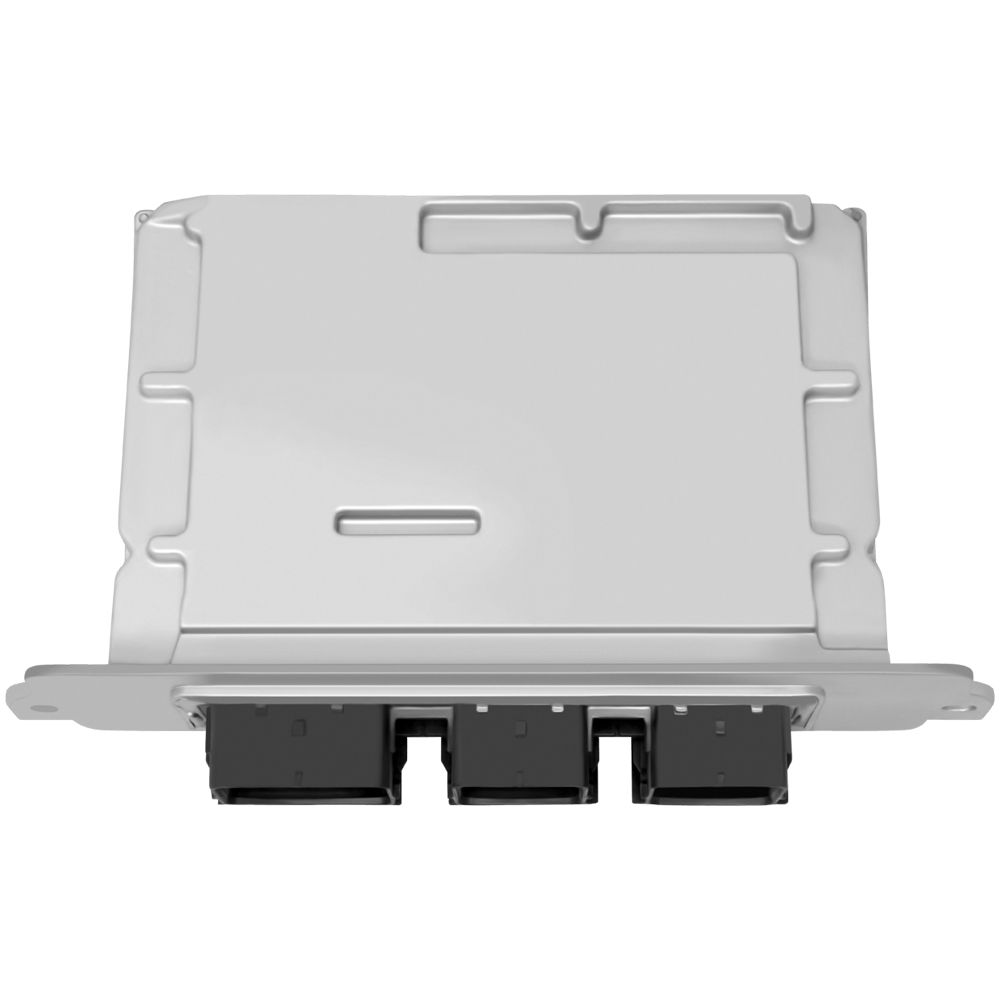
Flagship One stocks a refurbished, VIN-programmed ECM for the 2006 Ford GT with a lifetime warranty, free shipping and no core charge. The full Ford GT module lineup covers other engine configurations as well.
The 2006 Ford GT is a remarkable supercar that depends on a properly functioning PCM to manage its supercharged 5.4L V8. When the engine computer fails, recognizing the symptoms and understanding the PATS reprogramming requirement can help you make an informed repair decision. A VIN-programmed replacement module eliminates the need for dealership programming, getting your vehicle back on the road with confidence and reliability.