
Last updated on August 25th, 2026 at 12:15 pm
The powertrain control module in a 2005 Ford Taurus serves as the primary computer managing engine performance and transmissions. When this unit fails, the vehicle may experience erratic idling, poor fuel economy, or a complete failure to start due to corrupted internal processing.
Dealing with an intermittent engine stumble or a persistent check engine light in your 2005 Ford Taurus can be a frustrating experience. Often, these symptoms point toward an internal failure within the powertrain control module, which acts as the central brain for your vehicle. This computer processes data from various sensors to ensure the engine runs efficiently and the transmission shifts smoothly. When the internal circuitry of the module degrades or suffers an electrical short, the vehicle may behave unpredictably. Understanding the role of this component helps you distinguish between a simple sensor failure and a more complex computer issue. By identifying the specific symptoms and fault codes associated with this module, you can determine if a replacement is necessary. This guide provides a detailed overview of how the module operates, where it is located, and the process for replacing it. You will learn how to identify the signs of a failing unit and the steps required to return your vehicle to a reliable operating state without unnecessary guesswork.
The powertrain control module in your 2005 Ford Taurus is a sophisticated electronic control unit that regulates the air-fuel mixture, ignition timing, and transmission shift points. It continuously monitors inputs from the crankshaft position sensor, mass airflow sensor, and oxygen sensors to maintain peak performance. Because it coordinates so many critical systems, any internal malfunction can lead to a cascade of engine performance issues. For instance, if the processor cannot correctly interpret sensor data, the engine may enter a limp-home mode to prevent catastrophic damage. This makes the module essential for both the drivability and the emissions compliance of your vehicle. When searching for 2005 Ford Taurus replacement computers, it is important to understand that these units are calibrated specifically for the 3.0L engine configuration. The module manages the fuel injectors and the spark plugs, ensuring that combustion happens at the precise millisecond required for efficiency. If the internal capacitors or solder joints fail over time, the computer may lose its ability to store memory or communicate with the instrument cluster. This results in the erratic behavior often seen as a vehicle ages. Maintaining the health of this unit is vital because it prevents the engine from running too lean or too rich, which could otherwise lead to expensive mechanical failures in the cylinder heads or catalytic converters.
Engine computer (ECM/PCM)
OEM programmed replacements — plug & play, no dealer visit.
Find yours by year, make & model →
Free shipping · Lifetime warranty
The factory component-location index specifies that the powertrain control module is located in the engine compartment, specifically at the rear on the right-hand side. Replacing this unit involves a few specific steps to ensure the hardware is seated correctly and the electrical connections are secure. According to labor guidelines, the process of removing and replacing the powertrain control module is estimated at 1.0 hours. If you are dealing with a gas-powered model, the engine control module removal and replacement is listed at either 0.5 hours or 0.8 hours. For those with the flex-fuel version, that specific task is estimated at 0.4 hours. You will typically need to disconnect the battery and carefully unplug the main wiring harnesses before unbolting the module from the chassis. Ensuring the area is clean before installation helps prevent debris from entering the electrical pins, which could lead to poor connectivity or further electrical faults.
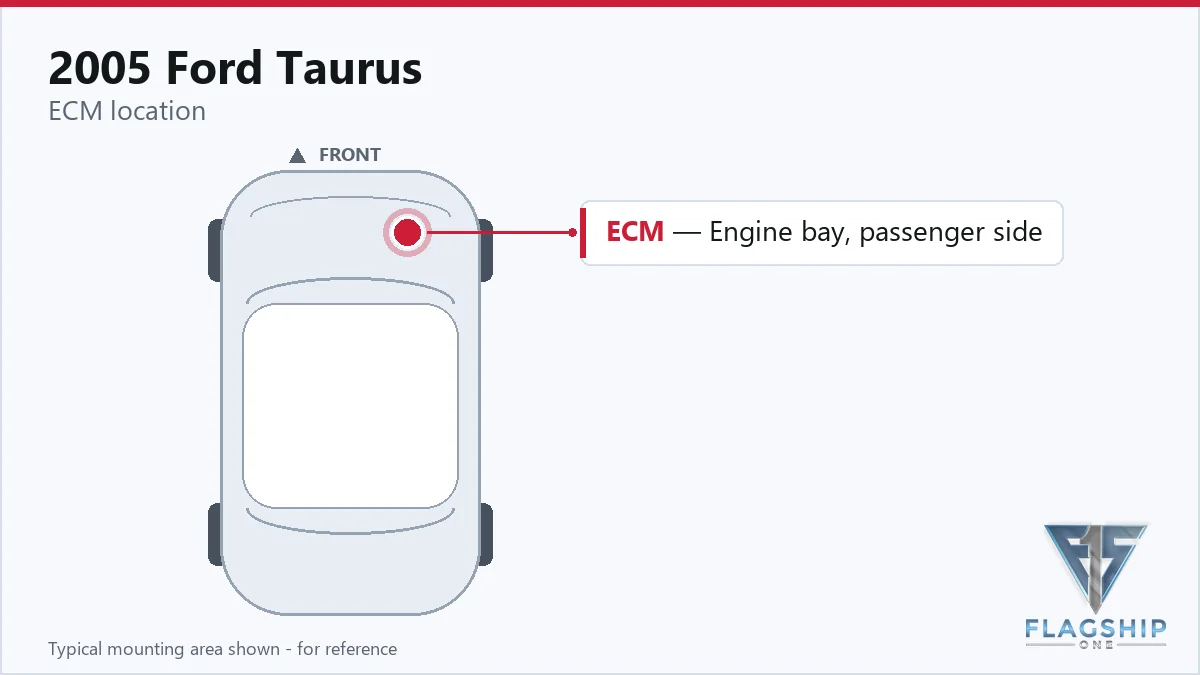
Work with the ignition off, and treat the module as static-sensitive: avoid touching the connector pins at any point.
| Operation | Configuration | Book Time |
|---|---|---|
| Powertrain Control Module R&R | All configurations | 1.0 hr |
| Powertrain Control Module Relearn | All configurations | 0.5 hr |
| Engine Control Module R&R | GAS | 0.5 hr |
| Engine Control Module R&R | GAS | 0.8 hr |
| Engine Control Module R&R | FLEX | 0.4 hr |
After a new module is installed, the factory typically requires a relearn procedure to synchronize the computer with the engine’s current state. The labor for a powertrain control module relearn is estimated at 0.5 hours. This process ensures that the vehicle’s idle speed and fuel trim are optimized for the specific wear and tear of your engine. However, most technicians prefer to avoid the complexities of factory flashing. When you choose a VIN-programmed replacement unit, the critical vehicle identification information is already embedded in the hardware. This means the unit is configured to match your specific options and emissions standards before it even arrives. Because the core programming is completed, you can bypass the initial setup phase and move directly to the final installation and testing. This significantly reduces the time your vehicle spends in the shop and eliminates the risk of software mismatches that can occur during the manual programming process.
Identifying a failing powertrain control module in a 2005 Ford Taurus can be challenging because the symptoms often mimic those of a faulty sensor. You may notice a sudden loss of power, erratic shifting in the automatic transmission, or an engine that stalls unexpectedly during deceleration. In many cases, the vehicle may experience a complete no-start condition where the engine cranks but fails to ignite because the computer is not triggering the fuel injectors. Communication failure is another common sign; if a scan tool cannot establish a connection with the PCM, it often indicates an internal hardware crash. You might also see the malfunction indicator lamp illuminate on the dashboard. Specifically, an internal processor fault is often flagged by the P0606 fault code, which points directly to an internal computer error. Other symptoms include random misfires that cannot be traced to spark plugs or ignition coils, and a general degradation in fuel economy. In some instances, the vehicle may run perfectly for a while and then suddenly exhibit these issues as the module heats up, suggesting a thermal failure of the internal circuitry. Because the PCM controls so many variables, these symptoms can appear sporadically, making a consistent diagnostic approach essential to confirm that the computer is indeed the source of the problem.
The 2005 Ford Taurus may store specific internal diagnostic trouble codes when the powertrain control module detects a failure within its own circuitry. These codes are different from sensor faults and typically indicate that the hardware itself is malfunctioning.
| Code | Meaning | Full Guide |
|---|---|---|
| P0606 | Module processor failure | Full P0606 guide → |
Ford has released service bulletins to address specific issues with this vehicle. TSB 06-20-10 discusses the malfunction indicator lamp illuminating in conjunction with DTCs P0300 and P0606 for vehicles manufactured after August 26, 2004. Additionally, TSB 06-10-02 addresses the 3.0L 2V engine where the MIL is on and codes P0300 or P030X are present, specifically when P0316 is stored in the memory. These bulletins help technicians narrow down whether a misfire is caused by a mechanical issue or an electronic failure within the control module.
| Bulletin | Subject | What It Addresses |
|---|---|---|
| 06-20-10 | DTC(S) P0300 / P0606 – MIL ON – VEHICLES BUILT AFTER 8/26/2004 | — |
| 06-10-02 | 3.0L 2V – MIL ON AND DTC P0300/P030X WITH P0316 IN MEMORY | — |
Yes, if the internal processor fails, it may stop sending signals to the fuel system. This often results in the engine shutting down unexpectedly.
Internal circuitry failures are typically difficult to repair reliably. Replacing the unit with a programmed module is the standard industry practice.
You can find the module in the engine compartment. It is positioned at the rear on the right-hand side.
Since P0606 is an internal control module error, a replacement unit typically resolves this specific fault.
If the unit arrives pre-programmed with your VIN, the need for expensive dealership programming is generally eliminated.
When deciding how to address a failed computer, you have several options. While some may consider repairing the original board, the reliability of refurbished or precision-programmed replacements is often superior. For the 2005 Ford Taurus, choosing a unit that is already matched to your vehicle’s specifications ensures a smoother installation. Evaluating the cost of labor against the long-term stability of a professional replacement can help you make the best decision for your vehicle’s longevity.
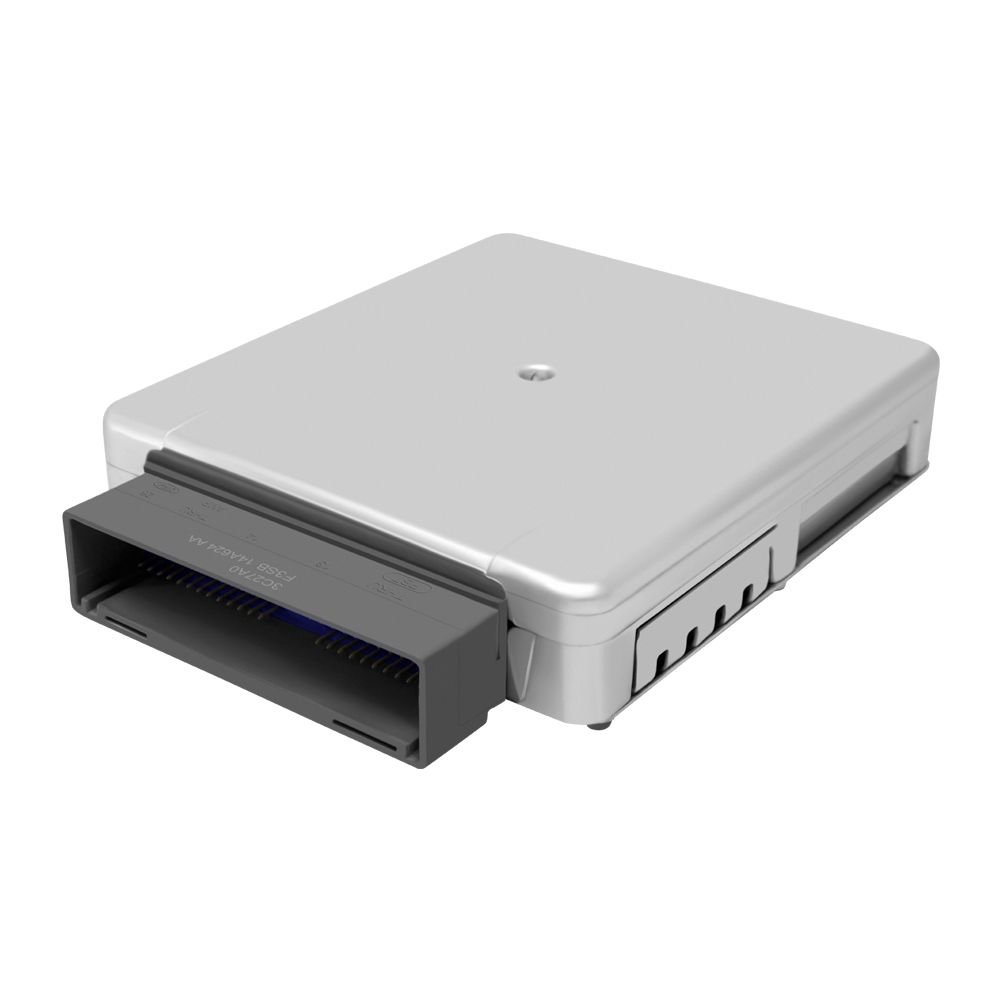
Flagship One stocks a refurbished, VIN-programmed PCM for the 2005 Ford Taurus with a lifetime warranty, free shipping and no core charge. The full Ford Taurus module lineup covers other engine configurations as well.
Restoring the electronic stability of your 2005 Ford Taurus requires a precise approach to the powertrain control module. By recognizing the signs of failure and following the correct replacement procedures, you can ensure your vehicle returns to its factory performance levels. If you are experiencing persistent engine codes or stalling, a programmed replacement is the most efficient path forward.