
Last updated on August 25th, 2026 at 12:20 pm
The Powertrain Control Module in the 2017 Nissan Sentra manages engine timing, fuel delivery, and transmission shifts. A failure can lead to reduced performance, fuel economy issues, or engine misfires.
If your 2017 Nissan Sentra is exhibiting odd behavior—such as erratic shifting, engine hesitation, or unexpected warning lights—you may need to replace its Powertrain Control Module (PCM) or Engine Control Module (ECM). Understanding exactly what these modules do, how they are installed, and what steps must follow a replacement can save you time and frustration. This guide walks you through the key facts about the PCM/ECM in your vehicle, explains why they are critical to everyday driving, and outlines the practical steps for a successful swap. By the end, you’ll know how to identify symptoms, locate the module, and ensure your new unit is ready to perform without additional programming.
The PCM in a 2017 Nissan Sentra coordinates the engine and transmission to provide smooth power delivery and efficient fuel usage. It processes sensor inputs, calculates ignition timing, and controls shift points. replacement engine computers for the Sentra The ECM focuses on engine functions, adjusting fuel mixture and spark timing to meet performance and emissions targets. Because both modules share data and communicate through the vehicle’s CAN bus, a malfunction in either can trigger a cascade of issues—from stalling to misfires—making them essential for safe operation.
Engine computer (ECM/PCM)
OEM programmed replacements — plug & play, no dealer visit.
Find yours by year, make & model →
Free shipping · Lifetime warranty
The PCM is located under the passenger side seat, behind the seat cushion. To access it, lift the seat and remove the protective cover. The ECM sits under the driver side seat, also behind the cushion. Replacing either module involves disconnecting the battery, removing the cover, detaching the module, and installing the new unit. After installation, the module is secured with a torque spec of 25 Nm. The labor schedule for each task is as follows: PCM removal and installation takes 1.4 hours; relearn requires 0.5 hours. ECM removal and installation also take 1.4 hours, with reset and relearn taking 0.3 and 0.5 hours respectively.
Work with the ignition off, and treat the module as static-sensitive: avoid touching the connector pins at any point.
| Operation | Configuration | Book Time |
|---|---|---|
| Powertrain Control Module R&R | All configurations | 1.4 hr |
| Powertrain Control Module Relearn | All configurations | 0.5 hr |
| Engine Control Module R&R | All configurations | 1.4 hr |
| Engine Control Module Reset | All configurations | 0.3 hr |
| Engine Control Module Relearn | All configurations | 0.5 hr |
Once the new PCM or ECM is installed, the factory procedure would normally require a data sync and calibration. However, Flagship One units arrive VIN‑programmed, so the sync step is already complete. This means the technician can skip the traditional programming window and move straight to functional testing. a VIN-programmed replacement unit The technician should still verify that all codes are cleared and that the vehicle’s key functions—engine start, shift logic, and emission control—are operating correctly.
Typical symptoms of a failing PCM or ECM in a 2017 Nissan Sentra include engine stalling, hesitation during acceleration, misfires, and a loss of power. The vehicle may also display a check engine light or other diagnostic trouble codes. If the internal module fault code P0605 is present, it indicates that the control module is not communicating properly with the rest of the powertrain system. These symptoms can lead to poor fuel economy, reduced acceleration, and in severe cases, an engine shutdown.
The codes below point to the PCM itself rather than to a sensor or circuit it monitors. Each one links through to its full diagnostic guide.
| Code | Meaning | Full Guide |
|---|---|---|
| P0605 | Internal ROM error | Full P0605 guide → |
Replacing the PCM involves removing seat covers and disconnecting the battery, which can be done by a knowledgeable DIYer. However, the module must be properly programmed, and a professional tool is required to verify that all functions are restored.
If the light is caused by a module communication issue, a new PCM may resolve it. If the light is triggered by other sensors or mechanical problems, the code may remain after replacement.
Labor for removal and installation is typically 1.4 hours, with an additional 0.5 hours for relearn. The total time depends on the shop’s efficiency and any unforeseen complications.
The ECM reset step is 0.3 hours and can be performed after the PCM replacement to clear any residual codes. This helps ensure the engine runs smoothly.
Stalling could be due to other issues such as a faulty sensor, vacuum leak, or fuel delivery problem. A diagnostic scan should be performed to isolate the cause.
When your 2017 Nissan Sentra needs a PCM or ECM replacement, you have options. A refurbished module from a reputable source can be a cost‑effective solution, while a brand‑new replacement guarantees original performance. Both options provide the same reliability and can be installed by a qualified technician.
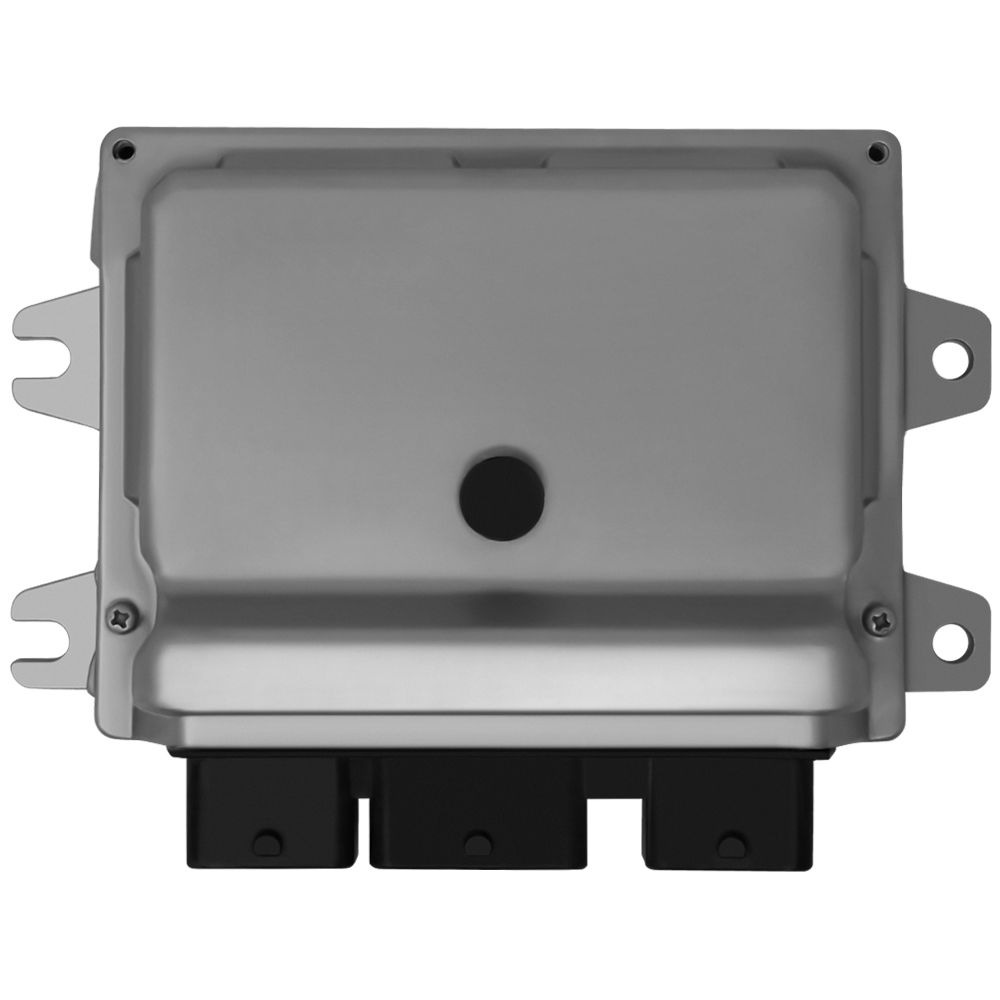
Flagship One stocks a refurbished, VIN-programmed PCM for the 2017 Nissan Sentra with a lifetime warranty, free shipping and no core charge. The full Nissan Sentra module lineup covers other engine configurations as well.
For your 2017 Nissan Sentra, a new or refurbished PCM/ECM can restore proper engine and transmission operation. Consider your budget and the expertise of your service provider before deciding on a repair path.