
Last updated on August 25th, 2026 at 01:46 pm
The Engine Control Module (ECM) in the 2013 Nissan Armada is the central computer that manages fuel injection, ignition timing, and emissions for the 5.6L V8 engine. A failing ECM can cause drivability problems, prevent the engine from starting, or trigger diagnostic trouble codes like P0605.
When your 2013 Nissan Armada with the 5.6L engine begins to exhibit unexplained stalling, refuses to start, or illuminates the check engine light with a code that points directly at the computer itself, the Engine Control Module (ECM) often becomes the prime suspect. This is not a component that most owners think about until it fails, yet it orchestrates nearly every aspect of engine operation. A malfunctioning ECM can mimic a wide range of mechanical and electrical problems, leading to misdiagnosis and unnecessary parts replacement. Understanding what the ECM does, how to confirm it has failed, and what a proper replacement entails can save you significant time and money. This article provides a thorough, factual look at the ECM in the 2013 Nissan Armada, covering its role, common failure symptoms, the replacement process, and the critical programming steps that follow. You will learn how to identify a genuine module fault, what to expect during installation, and how a pre-programmed replacement unit can streamline the repair, getting your Armada back on the road with minimal downtime.
The Engine Control Module in the 2013 Nissan Armada is a ruggedized computer mounted in the engine compartment that continuously processes data from dozens of sensors to manage the 5.6L V8 engine. It interprets signals from the crankshaft position sensor, camshaft position sensors, mass airflow sensor, throttle position sensor, oxygen sensors, and many others to calculate the precise amount of fuel to inject and the optimal moment to fire each spark plug. The ECM also oversees the variable valve timing system, electronic throttle control, and communicates with the transmission control module to coordinate shifts. When the ECM begins to fail, the consequences can range from subtle drivability issues to a complete no-start condition. Internal circuit damage, corrupted memory, or failed driver transistors can prevent the module from activating the fuel pump, firing the ignition coils, or communicating with the scan tool. For owners facing these symptoms, sourcing a dependable replacement ECM for the Nissan Armada is the first step toward restoring normal operation. A malfunctioning module may also trigger a P0605 code, indicating an internal ROM error that cannot be repaired through reflashing.
2013 Nissan Armada 5.6L
OEM programmed replacements — plug & play, no dealer visit.
Find yours by year, make & model →
Free shipping · Lifetime warranty
The Engine Control Module on the 2013 Nissan Armada is located in the engine compartment, typically mounted near the firewall on the passenger side. Replacing the module, referred to in service information as Powertrain Control Module R&R or Engine Control Module R&R, carries a standard labor allowance of 1.8 hours. This time covers the removal of any necessary covers or brackets, disconnection of the electrical harness connectors, and swapping the physical unit. The book time does not include any subsequent programming or diagnostic steps. Access to the module is generally straightforward, though care must be taken to avoid straining the wiring harness or damaging the connector pins. The factory service manual cautions against using the ECM ground terminals when measuring input or output voltage, as this can damage the module’s internal transistor. After the new module is secured and connected, an additional 0.5-hour relearn procedure is required to synchronize the ECM with the vehicle’s security system and learned parameters.
| Operation | Configuration | Book Time |
|---|---|---|
| Powertrain Control Module R&R | All configurations | 1.8 hr |
| Engine Control Module R&R | All configurations | 1.8 hr |
| Engine Control Module Relearn | All configurations | 0.5 hr |
After a new Engine Control Module is physically installed in the 2013 Nissan Armada, the factory service procedure requires a series of initialization and relearn steps. The most critical is the ECM relearn, which carries a book time of 0.5 hours. This process involves using a compatible scan tool to perform functions such as throttle valve closed position learning, idle air volume learning, and immobilizer key registration. Without completing these steps, the engine may not start, may idle erratically, or may trigger warning lights. The relearn also clears learned fuel trim and idle values so the new module can adapt to the specific engine’s wear characteristics. When you order a VIN-programmed replacement unit from Flagship One, these programming steps are already completed before the module ships. The unit arrives with your Armada’s VIN and immobilizer data preloaded, so the plug-and-play installation typically requires only the physical swap and a brief idle relearn that the ECM can perform on its own as the engine warms up.
A failing Engine Control Module in the 2013 Nissan Armada often produces symptoms that can be mistaken for sensor or fuel system problems. The engine may crank but not start because the ECM fails to trigger the fuel pump relay or fire the ignition coils. Intermittent stalling, especially when the engine reaches operating temperature, is another common sign as heat-sensitive components inside the module begin to break down. You might notice a lack of power, hesitation on acceleration, or the transmission holding gears too long, since the ECM shares data with the transmission control unit. In some cases, the check engine light illuminates with no noticeable drivability change, but a scan tool reveals a internal control module ROM error stored in memory. This specific code indicates a fault within the module’s read-only memory and cannot be corrected by reflashing the software. Other symptoms include dead communication with a scan tool, multiple unrelated sensor codes appearing simultaneously, or the engine running excessively rich or lean as the ECM loses its ability to manage fuel trims.
When the Engine Control Module itself is the source of a problem, it can store specific internal fault codes that point directly to a module failure rather than an external circuit issue. The following code has been documented for the 2013 Nissan Armada.
| Code | Meaning | Full Guide |
|---|---|---|
| P0605 | Internal ROM error | Full P0605 guide → |
The most frequent signs include a crank-no-start condition, intermittent stalling when the engine warms up, and a check engine light with a P0605 code. You may also experience poor fuel economy, transmission shifting irregularities, or a complete loss of communication with a diagnostic scan tool. These symptoms often appear intermittently at first, making the ECM difficult to diagnose without professional equipment.
Physically replacing the ECM is straightforward for a skilled DIY mechanic, as the module is accessible in the engine compartment and the book time is 1.8 hours. However, the new module must be programmed with your vehicle’s VIN and immobilizer data, and a throttle/idle relearn procedure must be performed. Using a pre-programmed unit from Flagship One eliminates the need for dealer-level programming tools.
P0605 indicates an internal ROM (Read-Only Memory) error within the Engine Control Module. This is a self-test fault that the ECM logs when it detects corrupted data in its own memory. The code typically cannot be cleared by reflashing the module and usually requires ECM replacement to resolve.
Yes, a new or used ECM must be programmed with your Armada’s VIN and immobilizer information, and a series of relearn procedures must be performed. Flagship One provides units that arrive VIN-programmed, so the dealer-level programming is already done. You may still need to perform an idle air volume relearn, which can often be completed by simply allowing the engine to idle until it reaches operating temperature.
The most important step is to ensure the charging system is healthy, as voltage irregularities are a leading cause of ECM damage. Keep battery terminals clean and tight, inspect ground connections for corrosion, and avoid using high-amperage chargers or boosters. Address any sensor or actuator fault codes immediately, and never use the ECM ground terminals for voltage measurements.
When your 2013 Nissan Armada’s ECM fails, you have two main paths: a dealer-installed new unit with full programming, or a pre-programmed replacement that arrives ready to install. Dealer programming alone can add significant cost and time to the repair. A VIN-programmed module from Flagship One arrives with all necessary data loaded, so you or your mechanic can complete the swap in under two hours and perform a simple idle relearn. This approach often provides the same reliability at a fraction of the cost and downtime.
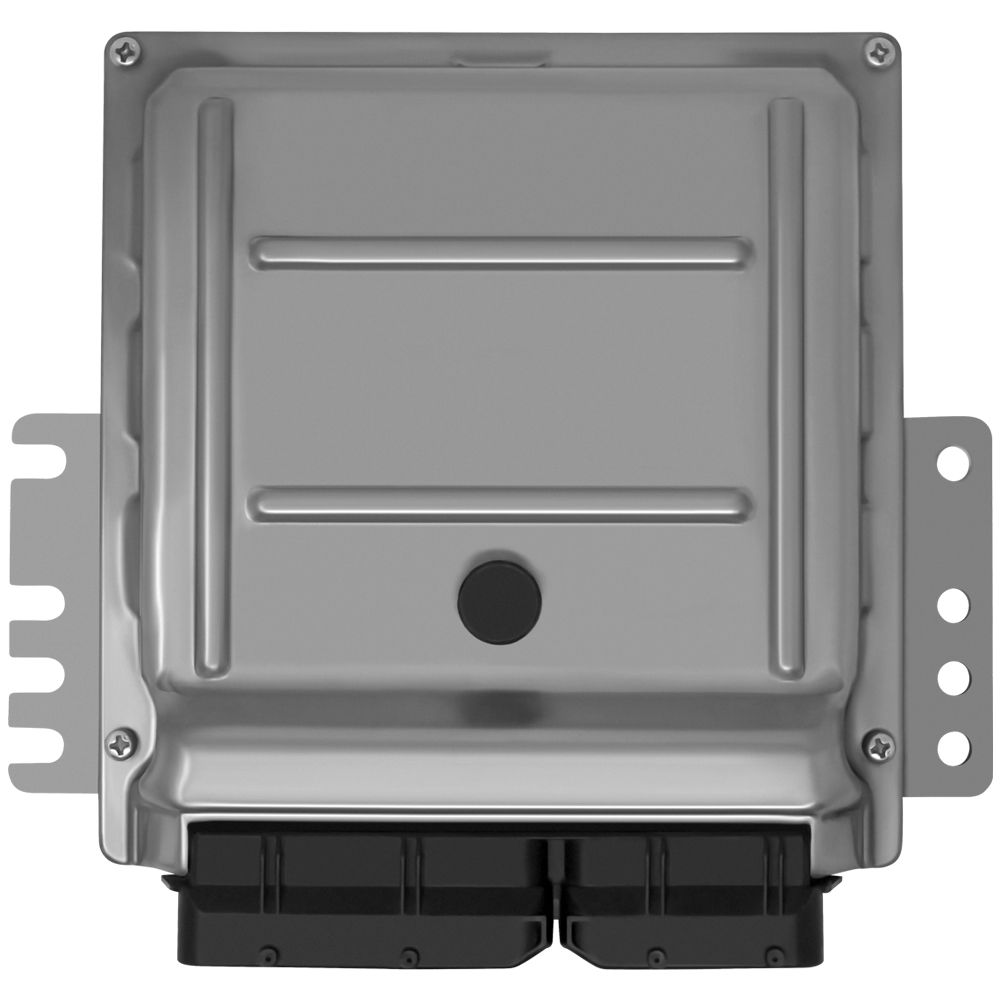
Flagship One stocks a refurbished, VIN-programmed PCM for the 2013 Nissan Armada with a lifetime warranty, free shipping and no core charge. The full Nissan Armada module lineup covers other engine configurations as well.
The Engine Control Module is the brain of your 2013 Nissan Armada’s 5.6L engine, and when it fails, the symptoms can be frustrating and misleading. By understanding the role of the ECM, recognizing the P0605 code, and knowing what to expect from a replacement, you can make an informed repair decision. A VIN-programmed unit from Flagship One simplifies the process, allowing you to get your Armada back on the road quickly and confidently.