
Last updated on August 25th, 2026 at 01:46 pm
The powertrain control module (PCM) in your 2011 Nissan Murano manages engine performance and transmission behavior. A failure may disrupt fuel delivery, ignition timing, or shift patterns, often triggering internal fault codes.
If your 2011 Nissan Murano has been stalling unexpectedly, refusing to start, or flashing a check-engine light, the powertrain control module (PCM) may be at fault. This small but critical computer oversees everything from fuel injection to transmission shifts, and when it fails, your vehicle’s performance can suffer in noticeable ways. Replacing it isn’t just about swapping a part—it involves careful installation and a factory-mandated relearn process to ensure everything communicates properly. Understanding how the PCM functions, where it’s located, and what to expect during replacement can help you make informed decisions, whether you’re diagnosing an issue or preparing for a repair. This guide covers the essentials, from common symptoms to labor times, so you can approach the problem with confidence.
In your 2011 Nissan Murano, the powertrain control module (PCM) acts as the brain of the engine and transmission systems. It continuously monitors sensors for data like air intake, throttle position, and engine speed, then adjusts fuel delivery, ignition timing, and shift points in real time. Without a functioning PCM, your Murano may struggle to start, run roughly, or even enter a failsafe mode that limits performance. The module also stores trouble codes when something goes wrong, which can help pinpoint issues during diagnostics. If replacement becomes necessary, you’ll need replacement engine computers for the Murano that match your vehicle’s specifications. While the PCM is built to last, electrical surges, corrosion, or internal component wear can lead to failure over time, making it a key focus during drivability troubleshooting.
2011 Nissan Murano
OEM programmed ECM for your 2011 Nissan Murano — plug & play, no dealer visit.
Free shipping · Lifetime warranty
The powertrain control module in your 2011 Nissan Murano is mounted on the passenger side of the engine bay, near the firewall. Accessing it requires removing the air intake duct and possibly some wiring harnesses to reach the mounting bolts. The factory labor guide allocates 1.8 hours for removal and reinstallation, which includes disconnecting the battery, unplugging the wiring harness, and carefully extracting the module without damaging the connectors. Once the old unit is out, the new PCM is bolted into place, and the wiring is reconnected. Torque specifications for the mounting bolts should be followed to prevent damage to the module or its housing. After installation, a relearn procedure is required to synchronize the PCM with the vehicle’s other systems.
| Operation | Configuration | Book Time |
|---|---|---|
| Powertrain Control Module R&R | All configurations | 1.8 hr |
| Powertrain Control Module Relearn | All configurations | 0.5 hr |
| Engine Control Module R&R | All configurations | 1.8 hr |
| Engine Control Module Relearn | All configurations | 0.5 hr |
After replacing the powertrain control module in your 2011 Nissan Murano, the factory procedure requires a 0.5-hour relearn process to ensure the new unit communicates correctly with the engine, transmission, and other onboard systems. This step is critical because the PCM must adapt to your vehicle’s specific sensor readings and driving patterns. However, if you install a VIN-programmed replacement unit from Flagship One, this relearn step is already completed at the factory. The module arrives pre-configured with your Murano’s VIN and calibration data, which eliminates the need for additional programming and reduces the risk of post-installation errors. This can save you time and ensure a smoother transition, especially if you’re working with a shop that charges hourly for labor.
When the powertrain control module in your 2011 Nissan Murano begins to fail, you may notice a range of drivability issues. The most common symptoms include intermittent stalling, especially at idle or during deceleration, and a no-start condition where the engine cranks but won’t fire. Some drivers report rough running or misfires, often accompanied by a check-engine light. In some cases, the transmission may shift erratically or fail to engage gears properly. Scan-tool communication can also be affected, making it difficult to retrieve trouble codes. If your Murano has logged an internal control module fault, it’s a strong indicator that the PCM is malfunctioning. Other potential signs include poor fuel economy, hesitation under acceleration, or the vehicle entering a limp-home mode to prevent further damage. Because these symptoms can overlap with other issues, such as sensor failures or wiring problems, a thorough diagnosis is essential before replacing the module.
The 2011 Nissan Murano’s powertrain control module may store specific trouble codes when internal failures occur. These codes help technicians identify the root cause of drivability issues and guide the repair process.
| Code | Meaning | Full Guide |
|---|---|---|
| P0605 | Internal ROM error | Full P0605 guide → |
Common signs include stalling, a no-start condition, rough running, or a check-engine light with codes like P0605. If scan-tool communication is lost or the transmission shifts erratically, the PCM may be at fault. A professional diagnosis can confirm whether the module needs replacement.
While it’s physically possible, the process requires careful handling of electrical connections and adherence to torque specifications. The factory also mandates a relearn procedure after installation, which may require specialized tools. If you’re not experienced with automotive electronics, it’s often best left to a professional.
The relearn process allows the new PCM to adapt to your Murano’s specific sensor readings and driving patterns. Without it, the module may not communicate properly with the engine, transmission, or other systems, leading to poor performance or additional fault codes.
A used PCM may physically fit, but it won’t be programmed with your vehicle’s VIN or calibration data. This can cause compatibility issues, including incorrect sensor readings or transmission behavior. A VIN-programmed replacement unit is the most reliable option.
The factory labor guide allocates 1.8 hours for removal and reinstallation, plus an additional 0.5 hours for the relearn procedure. If you’re installing a pre-programmed unit, the relearn step may not be necessary, reducing the total time.
If your 2011 Nissan Murano is experiencing PCM-related issues, you have a few options. A repair shop can diagnose and replace the module, though labor costs can add up quickly. Alternatively, a refurbished or new replacement unit, especially one that’s VIN-programmed, can simplify the process and reduce downtime. Given the complexity of the installation and relearn procedure, choosing a pre-configured module may be the most efficient path to getting your Murano back on the road.
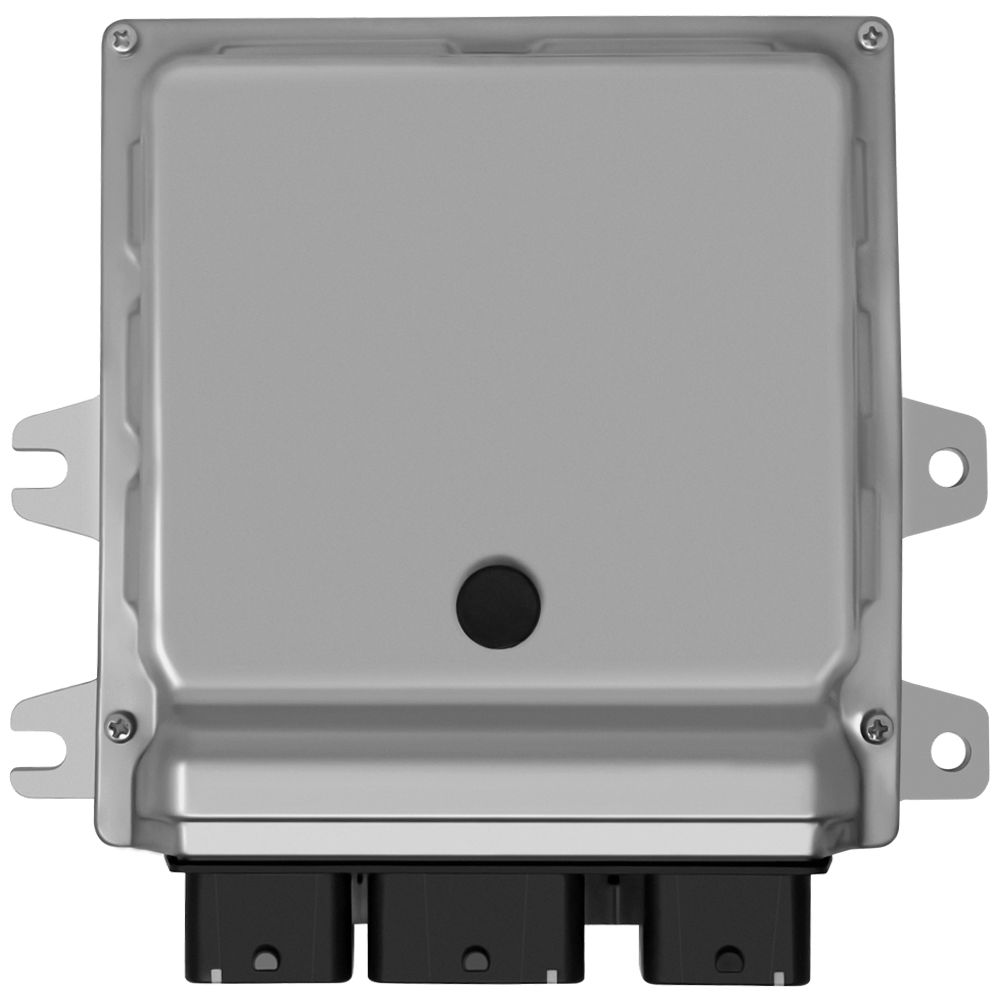
Flagship One stocks a refurbished, VIN-programmed PCM for the 2011 Nissan Murano with a lifetime warranty, free shipping and no core charge. The full Nissan Murano module lineup covers other engine configurations as well.
The powertrain control module in your 2011 Nissan Murano plays a vital role in keeping your vehicle running smoothly. If you’re dealing with stalling, no-start conditions, or trouble codes like P0605, addressing the PCM promptly can prevent further complications. Whether you opt for a professional installation or a pre-programmed replacement unit, understanding the process and symptoms helps you make informed decisions. With the right approach, you can restore your Murano’s performance and reliability.