
Last updated on August 25th, 2026 at 01:47 pm
The powertrain control module (PCM) in your 2010 Nissan Murano manages engine and transmission functions. Internal failures may cause erratic performance, stalling, or communication errors, often triggered by voltage spikes or corrosion.
If your 2010 Nissan Murano has been stalling unexpectedly, refusing to start, or throwing cryptic engine codes, the powertrain control module (PCM) may be the culprit. This critical computer manages everything from fuel delivery to transmission shifting, and when it fails, your vehicle’s performance suffers. Replacing the PCM isn’t just about swapping a part—it involves precise labor, programming, and relearn procedures to ensure your Murano runs smoothly again. Understanding the role of the PCM, the symptoms of failure, and the steps involved in replacement can help you make informed decisions. Whether you’re a DIY enthusiast or relying on a mechanic, knowing what to expect saves time, money, and frustration. This guide covers the essentials: where the PCM is located, how replacement works, and why a pre-programmed unit can simplify the process.
The powertrain control module (PCM) in your 2010 Nissan Murano acts as the brain of the engine and transmission systems. It processes data from sensors throughout the vehicle to optimize fuel injection, ignition timing, and shift points, ensuring efficient performance. Without a functioning PCM, your Murano may struggle to start, idle roughly, or even enter a limp-home mode to prevent further damage. The module’s location and integration with other systems make it vulnerable to electrical issues, such as voltage spikes or corroded connectors, which can lead to internal failures. When replacement becomes necessary, replacement engine computers for the Murano are designed to restore full functionality, but proper installation and programming are critical to avoid recurring issues. The PCM’s role extends beyond basic engine management—it also influences emissions control and diagnostic reporting, making it a key component for both performance and compliance.
2010 Nissan Murano
OEM programmed ECM for your 2010 Nissan Murano — plug & play, no dealer visit.
Free shipping · Lifetime warranty
In the 2010 Nissan Murano, the powertrain control module (PCM) is mounted near the engine bay, typically secured behind a protective cover or panel. Accessing it requires removing a few bolts or clips, and the process may involve disconnecting wiring harnesses and vacuum lines. According to factory labor estimates, replacing the PCM takes about 1.8 hours, assuming no complications like seized fasteners or damaged connectors. Once the old module is removed, the new unit is installed in the same location, with care taken to ensure all electrical connections are secure. Torque specifications for mounting bolts are critical to prevent vibration-related issues, though exact values aren’t always provided in standard labor guides. After installation, the vehicle requires a relearn procedure, which adds another 0.5 hours to the process.
| Operation | Configuration | Book Time |
|---|---|---|
| Powertrain Control Module R&R | All configurations | 1.8 hr |
| Powertrain Control Module Relearn | All configurations | 0.5 hr |
| Engine Control Module R&R | All configurations | 1.8 hr |
| Engine Control Module Relearn | All configurations | 0.5 hr |
After replacing the powertrain control module (PCM) in your 2010 Nissan Murano, the vehicle must undergo a factory relearn procedure to synchronize the new unit with the engine and transmission. This process typically involves using a scan tool to reset adaptive values and ensure proper communication between the PCM and other onboard systems. The relearn step adds about 0.5 hours of labor, but it’s essential to avoid drivability issues like rough shifting or poor fuel economy. Flagship One units arrive as a VIN-programmed replacement unit, meaning the module is pre-configured for your specific Murano before it even reaches your mechanic. This eliminates the need for additional programming at the dealership, saving time and reducing the risk of errors during the installation process. However, the relearn step remains necessary to finalize the setup and restore optimal performance.
When the powertrain control module (PCM) in your 2010 Nissan Murano begins to fail, you may notice a range of symptoms that can disrupt your driving experience. Common signs include intermittent stalling, especially at idle or during deceleration, as well as difficulty starting the engine. The vehicle might also exhibit erratic shifting patterns, such as harsh or delayed gear changes, due to the PCM’s role in managing transmission functions. Another telltale sign is the illumination of the check engine light, often accompanied by stored trouble codes. For example, a faulty internal control module memory may indicate corruption within the PCM’s memory, leading to inconsistent performance. In some cases, the vehicle may enter a failsafe or limp-home mode, limiting speed and power to prevent further damage. Scan tool communication issues, where the PCM fails to respond to diagnostic requests, can also point to a failing module. These symptoms often worsen over time, so addressing them promptly can prevent more severe drivability problems.
The 2010 Nissan Murano’s powertrain control module (PCM) may store specific trouble codes when internal failures occur. These codes help pinpoint issues within the module itself, rather than external sensor or wiring problems. Below is the documented code for this vehicle’s PCM.
| Code | Meaning | Full Guide |
|---|---|---|
| P0605 | Internal ROM error | Full P0605 guide → |
Common signs include stalling, no-start conditions, erratic shifting, or a check engine light with stored codes like P0605. If the vehicle enters limp mode or scan tools fail to communicate with the PCM, the module may be at fault. A professional diagnosis can confirm the issue.
Replacing the PCM is physically straightforward but requires careful handling of electrical connections. The process involves removing the old module, installing the new one, and performing a relearn procedure. If you’re not comfortable with scan tools or electrical systems, a mechanic may be the better option.
The relearn procedure resets adaptive values stored in the PCM, ensuring it communicates properly with the engine and transmission. Without it, the vehicle may experience rough shifting, poor fuel economy, or other drivability issues. The process typically takes about 0.5 hours.
A used PCM may physically fit, but it must be programmed to your vehicle’s VIN to function correctly. Even then, used modules carry risks of internal wear or damage, which could lead to recurring issues. A new or remanufactured unit is often a more reliable choice.
Factory labor estimates suggest 1.8 hours for the replacement itself, plus an additional 0.5 hours for the relearn procedure. Actual time may vary depending on the vehicle’s condition and the mechanic’s experience with the process.
If your 2010 Nissan Murano is experiencing PCM-related issues, you have options for repair or replacement. While a dealership may offer a new module, the cost and programming requirements can be prohibitive. A remanufactured or pre-programmed replacement unit provides a cost-effective alternative, ensuring your vehicle returns to optimal performance without the hassle of additional programming steps. Consider your budget, timeline, and the severity of the issue when deciding the best path forward.
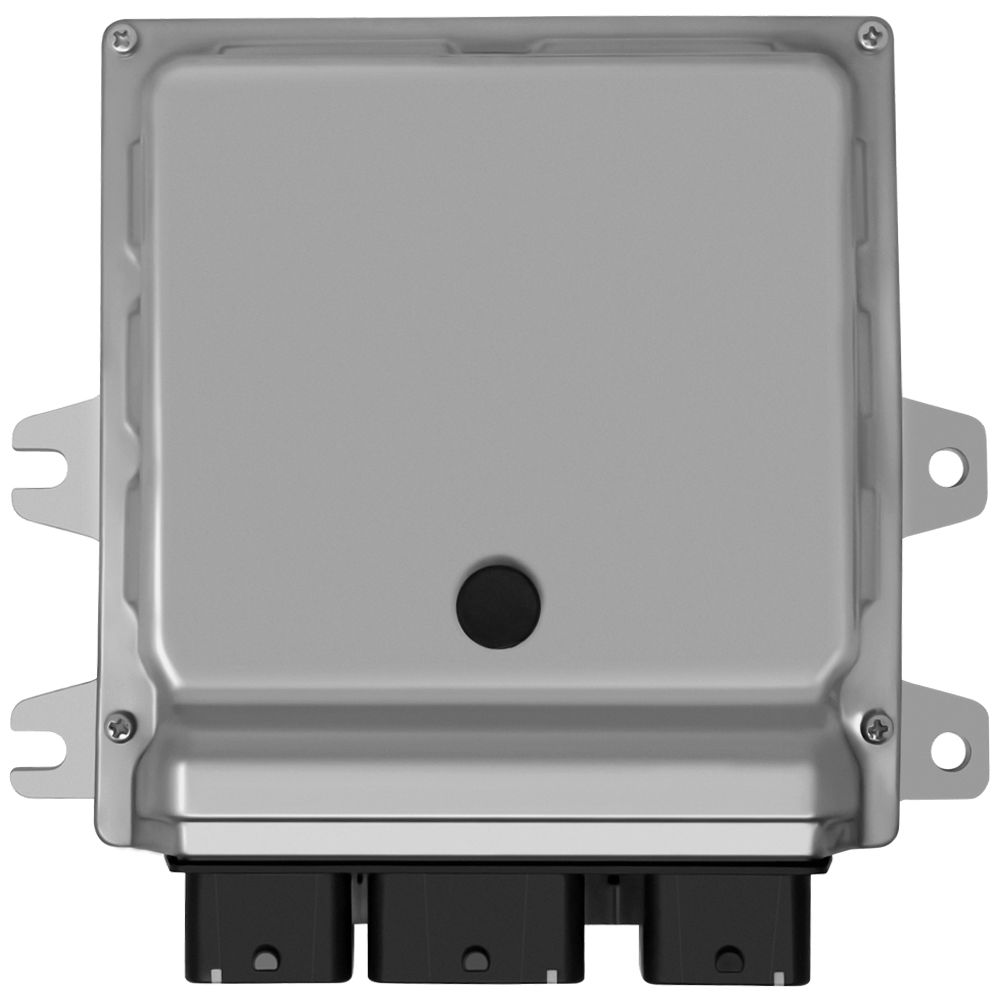
Flagship One stocks a refurbished, VIN-programmed PCM for the 2010 Nissan Murano with a lifetime warranty, free shipping and no core charge. The full Nissan Murano module lineup covers other engine configurations as well.
The powertrain control module in your 2010 Nissan Murano plays a critical role in engine and transmission performance. When it fails, symptoms like stalling, no-start conditions, or erratic shifting can disrupt your daily driving. Replacing the PCM involves careful installation and a relearn procedure, but a pre-programmed unit simplifies the process. By understanding the module’s function and the steps involved, you can make informed decisions about repairs and keep your Murano running smoothly for years to come.