
Last updated on August 25th, 2026 at 01:47 pm
In the 2008 Nissan Armada, the Powertrain Control Module and Engine Control Module manage engine timing, fuel delivery, and transmission shifting. Failure of either unit can cause loss of power, stalling, or a complete no‑start condition, often accompanied by diagnostic trouble codes.
When a 2008 Nissan Armada experiences power‑train glitches, the root cause often lies in the electronic control modules that govern engine and transmission behavior. Understanding how these modules function, where they reside, and what steps are required after a swap can save you time and prevent unnecessary damage. This guide walks you through the essential facts about the Powertrain Control Module (PCM) and Engine Control Module (ECM) for this model, outlines the labor involved, highlights critical safety cautions, and explains why a VIN‑programmed replacement from Flagship One can simplify the process. By the end, you’ll know exactly what to expect during removal, installation, and post‑install verification, helping you make an informed decision for your vehicle.
The Powertrain Control Module and Engine Control Module in a 2008 Nissan Armada act as the brain for the engine and transmission, interpreting sensor data to adjust fuel injection, ignition timing, and gear shifts. These modules ensure the engine runs smoothly across a range of conditions and that the transmission selects the appropriate gear for performance and efficiency. Because the Armada relies on precise coordination between engine output and drivetrain response, any malfunction can lead to rough idle, loss of power, or transmission shift anomalies. Proper operation of these control units is essential for meeting emissions standards and maintaining drivability. The replacement engine computers for the 2008 Nissan Armada are engineered to match the vehicle’s specifications and communicate with other onboard systems to keep the power‑train running as designed.
2008 Nissan Armada Powertrain and
OEM programmed replacements — plug & play, no dealer visit.
Find yours by year, make & model →
Free shipping · Lifetime warranty
Both the PCM and ECM are mounted within the engine compartment of the 2008 Nissan Armada, typically secured to the firewall or a bracket near the intake manifold. Access generally involves disconnecting the battery, removing the cover, and unplugging the wiring harnesses. Removal of each module is rated at 1.8 hours of labor according to the factory service guide. Once the old unit is out, the new module is positioned, bolted in place, and the electrical connectors are reattached. After the PCM swap, no additional steps are required, while the ECM replacement calls for a subsequent 0.5‑hour relearn procedure to synchronize the engine control parameters.
| Operation | Configuration | Book Time |
|---|---|---|
| Powertrain Control Module R&R | All configurations | 1.8 hr |
| Engine Control Module R&R | All configurations | 1.8 hr |
| Engine Control Module Relearn | All configurations | 0.5 hr |
Factory service procedures dictate that after installing a new Engine Control Module, a relearn routine lasting about half an hour must be performed to calibrate the engine’s operating parameters. Flagship One’s units arrive already VIN‑programmed, meaning the necessary software identification and calibration data are pre‑loaded, so the technician can skip the manual programming step. This eliminates the need for a separate diagnostic session and reduces the chance of errors. The a VIN-programmed replacement unit therefore streamlines the repair, allowing you to focus on the physical installation and the brief relearn cycle.
When the PCM or ECM in a 2008 Nissan Armada begins to fail, owners often notice a combination of no‑start conditions, intermittent stalling, rough idle, or erratic transmission shifting. Diagnostic trouble codes may appear, with P0605 being a common indicator of internal module failure. You might also experience loss of power during acceleration, unexpected limp‑mode operation, or a complete loss of communication with scan tools. These symptoms arise because the control modules are unable to process sensor inputs correctly, leading to improper fuel delivery, ignition timing, or gear‑selection commands.
The following internal trouble code is documented for the 2008 Nissan Armada’s control modules:
| Code | Meaning | Full Guide |
|---|---|---|
| P0605 | Internal ROM error | Full P0605 guide → |
The PCM replacement requires 1.8 hours of labor and careful handling of electrical connections. While a skilled DIYer could perform the swap, following the factory safety caution about grounding the ECM terminals is essential to avoid damage.
P0605 indicates an internal fault within the Powertrain or Engine Control Module. It typically points to a hardware issue that may require module replacement after confirming the code with a scan tool.
The factory procedure calls for a 0.5‑hour relearn process, which can be performed with a standard scan tool. A VIN‑programmed unit from Flagship One already contains the necessary data, reducing the need for additional programming steps.
Inspecting ground connections during regular service intervals, such as oil changes or brake inspections, helps ensure reliable module operation and can prevent intermittent faults.
A refurbished ECM that has been tested and VIN‑programmed to match your 2008 Nissan Armada should perform comparably to a new unit, provided it meets the factory specifications.
When the Powertrain or Engine Control Module fails in a 2008 Nissan Armada, you have the option of repairing the original unit or installing a refurbished replacement. Both approaches address the underlying fault, but a VIN‑programmed replacement from Flagship One eliminates the need for post‑install programming, saving time and reducing complexity. Evaluate your vehicle’s mileage, warranty status, and budget to choose the solution that best fits your situation.
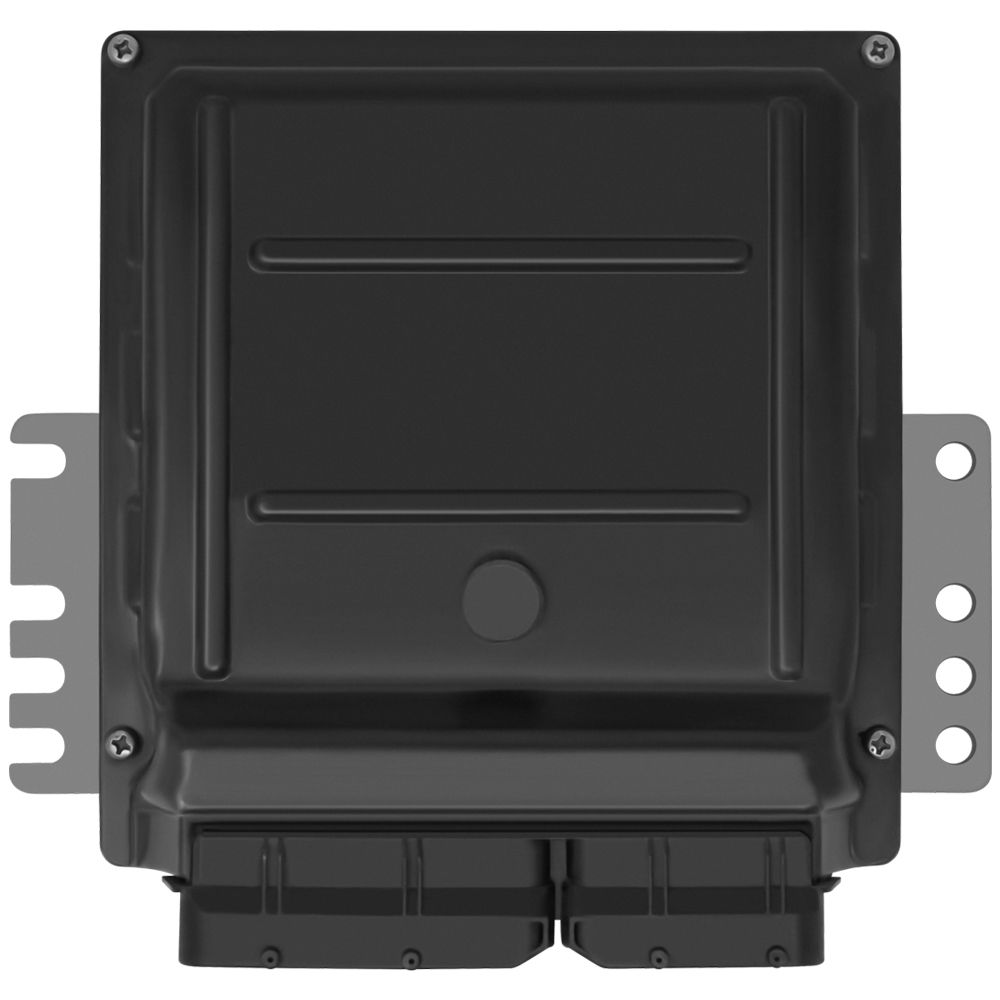
Flagship One stocks a refurbished, VIN-programmed PCM for the 2008 Nissan Armada with a lifetime warranty, free shipping and no core charge. The full Nissan Armada module lineup covers other engine configurations as well.
If your 2008 Nissan Armada is showing control‑module symptoms, consider a professional replacement or a VIN‑programmed refurbished unit to restore reliable performance. Contact a qualified technician to assess the issue and discuss the best path forward.