
Last updated on August 25th, 2026 at 01:48 pm
The powertrain control module (PCM) or engine control module (ECM) in the 2007 Nissan Maxima manages fuel delivery, ignition timing, and emissions systems. Failures may cause drivability issues, including stalling, poor acceleration, or complete no-start conditions.
If your 2007 Nissan Maxima has been stalling unexpectedly, refusing to start, or throwing cryptic check-engine lights, the powertrain control module (PCM) or engine control module (ECM) may be the culprit. This small but critical computer manages everything from fuel injection to transmission shifts, and when it fails, your vehicle’s performance can suffer dramatically. Replacing it isn’t just about swapping a part—it involves precise labor steps and a factory-mandated relearn process to ensure everything communicates correctly. Understanding what this module does, where it’s located, and what symptoms signal its failure can help you make informed decisions about repairs. Whether you’re diagnosing a no-start condition or addressing a persistent trouble code, knowing the ins and outs of the Maxima’s PCM/ECM can save you time, frustration, and unnecessary costs. This guide covers the essentials: what the module controls, how replacement works, and what to expect if yours needs attention.
In the 2007 Nissan Maxima, the powertrain control module (PCM) and engine control module (ECM) are essentially the same unit, responsible for managing the engine’s fuel, ignition, and emissions systems while also overseeing transmission behavior. This module processes data from sensors throughout the vehicle, adjusting fuel delivery, spark timing, and shift points in real time to optimize performance and efficiency. Without it, your Maxima wouldn’t know how much fuel to inject, when to fire the spark plugs, or how to respond to changes in throttle position. Over time, heat, vibration, or electrical issues may degrade the module’s internal components, leading to symptoms like rough idling, poor acceleration, or even a complete failure to start. When replacement becomes necessary, you’ll need replacement engine computers for the Maxima that are designed to match your vehicle’s specifications. The Maxima’s PCM/ECM is particularly sensitive to voltage spikes, so proper handling during installation is critical to avoid damaging the new unit.
2007 Nissan Maxima
OEM programmed ECM for your 2007 Nissan Maxima — plug & play, no dealer visit.
Free shipping · Lifetime warranty
The PCM/ECM in the 2007 Nissan Maxima is located in the engine bay, typically mounted near the firewall or on the passenger side of the vehicle. Accessing it requires removing a few plastic covers and possibly the air intake duct to reach the module’s mounting bracket. The factory labor time for removing and replacing the module is 0.8 hours, which includes disconnecting the battery, unplugging the wiring harness, and securing the new unit in place. There are no torque specifications provided for the mounting bolts, but they should be tightened securely to prevent vibration-related issues. Once the new module is installed, the vehicle will require a relearn procedure, which adds another 0.5 hours of labor. This step ensures the module synchronizes with the engine’s sensors and transmission, allowing for smooth operation. If the relearn isn’t performed, you may experience erratic shifting, poor fuel economy, or even a no-start condition.
| Operation | Configuration | Book Time |
|---|---|---|
| Powertrain Control Module R&R | All configurations | 0.8 hr |
| Powertrain Control Module Relearn | All configurations | 0.5 hr |
| Engine Control Module R&R | All configurations | 0.8 hr |
| Engine Control Module Relearn | All configurations | 0.5 hr |
After replacing the PCM/ECM in your 2007 Nissan Maxima, the factory procedure requires a relearn process to ensure the new module communicates correctly with the vehicle’s sensors and transmission. This typically involves using a scan tool to reset the module and allow it to adapt to the engine’s operating parameters. The process takes about 0.5 hours of labor and is critical for restoring proper drivability. However, if you opt for a VIN-programmed replacement unit, these steps are already completed before the module arrives. This means you can install the unit and drive the vehicle without needing additional programming, saving time and reducing the risk of post-installation issues. The factory also warns against using ECM ground terminals for voltage measurements, as this may damage the module’s internal transistors. Always follow the manufacturer’s guidelines to avoid unnecessary complications.
When the PCM/ECM in your 2007 Nissan Maxima begins to fail, you may notice a range of symptoms that can vary in severity. One of the most common signs is a no-start condition, where the engine cranks but refuses to fire up. This often occurs because the module can no longer properly control fuel delivery or ignition timing. Other drivers report intermittent stalling, particularly at idle or during deceleration, which can be both frustrating and dangerous if it happens in traffic. You might also experience poor acceleration, as if the engine is struggling to respond to throttle input, or erratic shifting from the transmission, which may feel harsh or delayed. In some cases, the check-engine light will illuminate, and a scan tool may reveal module-internal codes like an internal control module memory error. Another red flag is a complete loss of communication with the module during diagnostics, which can leave you unable to retrieve trouble codes or monitor sensor data. If you notice any of these issues, it’s worth having the module checked, as ignoring them may lead to further drivability problems or even leave you stranded.
The 2007 Nissan Maxima’s PCM/ECM may generate specific internal trouble codes when it begins to fail. These codes are stored in the module’s memory and can help pinpoint the source of drivability issues. While not exhaustive, the following code has been documented for this vehicle.
| Code | Meaning | Full Guide |
|---|---|---|
| P0605 | Internal ROM error | Full P0605 guide → |
Stalling at idle is a common symptom of a failing PCM/ECM in the Maxima. The module controls fuel delivery and ignition timing, and if it’s not functioning correctly, the engine may not maintain a stable idle. Other potential causes include vacuum leaks or faulty sensors, but if the stalling is accompanied by a check-engine light or trouble codes, the module should be checked.
While the physical replacement of the PCM/ECM is straightforward, the process requires a factory relearn procedure afterward. If you’re comfortable with basic mechanical work and have access to a scan tool capable of performing the relearn, you can do it yourself. However, if you’re unsure about the programming steps, it’s best to have a professional handle it to avoid drivability issues.
Skipping the relearn procedure may result in poor engine performance, including rough idling, erratic shifting, or even a no-start condition. The relearn allows the new module to synchronize with the vehicle’s sensors and transmission, so it’s a critical step in the replacement process.
A failing PCM/ECM often triggers multiple symptoms at once, such as stalling, poor acceleration, and transmission shifting issues. If a scan tool shows module-internal codes like P0605 or a complete loss of communication with the module, it’s a strong indicator of a failing PCM/ECM. However, sensors like the crankshaft or camshaft position sensors can cause similar symptoms, so proper diagnostics are essential.
While your Maxima may still be drivable with a P0605 code, it’s not recommended to ignore it. This code indicates an internal module memory error, which can lead to unpredictable behavior, such as stalling or poor performance. Addressing the issue promptly can prevent further damage or a potential breakdown.
If your 2007 Nissan Maxima is experiencing symptoms like stalling, no-start conditions, or persistent trouble codes, replacing the PCM/ECM may be the solution. While a new OEM module can be costly, a refurbished replacement offers a reliable and more affordable alternative. Since the Maxima’s module requires precise programming to match your VIN, opting for a pre-programmed unit can save you the hassle of post-installation relearn procedures. Whether you choose to tackle the replacement yourself or leave it to a professional, understanding the process and symptoms can help you make an informed decision.
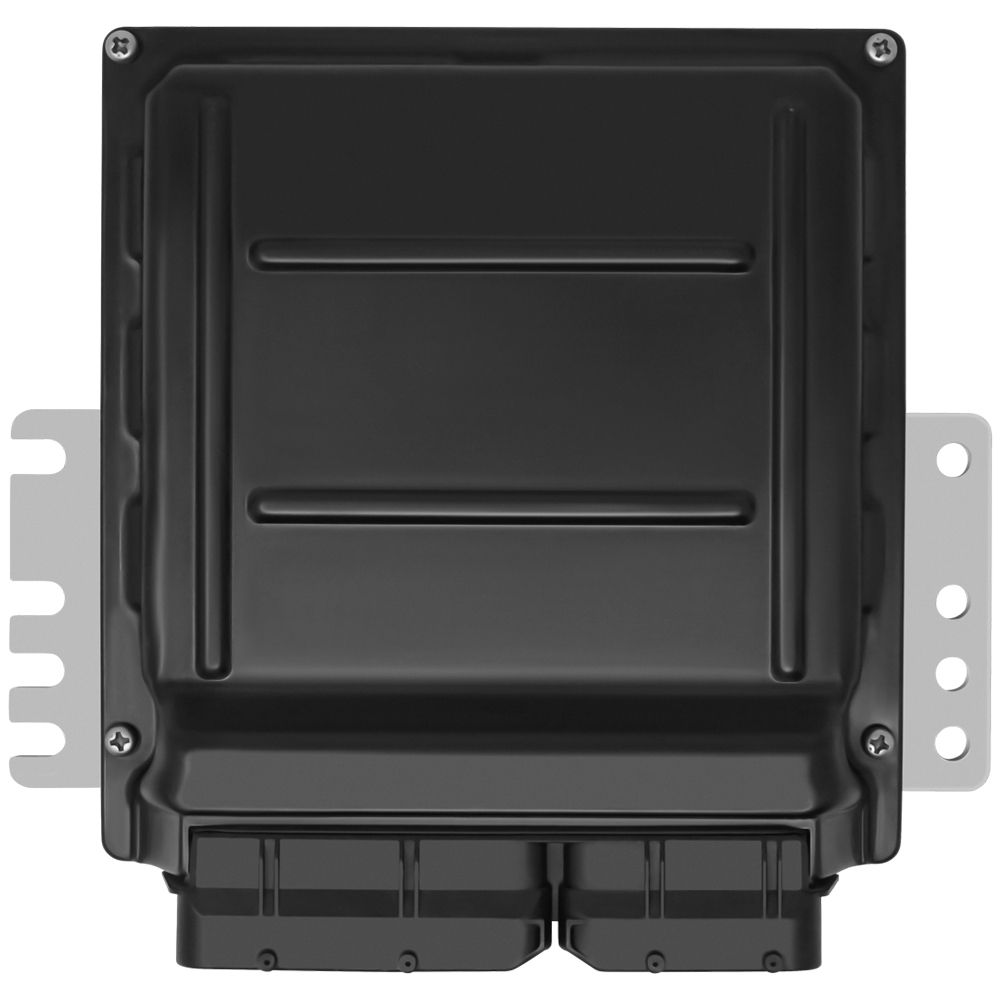
Flagship One stocks a refurbished, VIN-programmed PCM for the 2007 Nissan Maxima with a lifetime warranty, free shipping and no core charge. The full Nissan Maxima module lineup covers other engine configurations as well.
The 2007 Nissan Maxima relies on its PCM/ECM to keep the engine running smoothly and the transmission shifting correctly. When this module begins to fail, symptoms like stalling, poor acceleration, or a no-start condition can leave you frustrated and stranded. Replacing it involves careful installation and a factory-mandated relearn procedure, but with the right approach, you can restore your vehicle’s performance. If you’re dealing with these issues, consider your options carefully—whether it’s a DIY fix or a professional replacement, addressing the problem promptly will help keep your Maxima on the road.