
Last updated on August 25th, 2026 at 01:49 pm
The Engine Control Module (ECM) in your 1997 Nissan Pathfinder manages fuel injection, ignition timing, and emissions systems. A failing ECM may cause erratic engine behavior, poor performance, or complete failure to start, often triggered by voltage spikes or corrosion.
If your 1997 Nissan Pathfinder is experiencing unexplained stalling, rough idling, or a stubborn no-start condition, the Engine Control Module (ECM) may be the culprit. This small but critical computer manages nearly every aspect of your engine’s performance, from fuel delivery to ignition timing. When it fails, the symptoms can range from subtle drivability issues to a complete breakdown. Replacing the ECM isn’t just about swapping a part—it involves careful handling, precise installation, and often, a relearn procedure to ensure your vehicle runs smoothly again. Understanding the role of the ECM, how to diagnose its failures, and what to expect during replacement can save you time, frustration, and unnecessary repairs. Whether you’re a DIY enthusiast or relying on a professional mechanic, this guide will walk you through the essentials of the ECM in your Pathfinder, helping you make informed decisions about its care and replacement.
The Engine Control Module (ECM) in your 1997 Nissan Pathfinder is the brain behind your engine’s operation. It continuously monitors inputs from sensors—like the mass airflow sensor, throttle position sensor, and oxygen sensors—to adjust fuel injection, ignition timing, and idle speed in real time. This ensures optimal performance, fuel efficiency, and emissions compliance. Without a properly functioning ECM, your Pathfinder may struggle to start, run inefficiently, or even fail to meet basic drivability standards. The module also stores diagnostic trouble codes (DTCs) when it detects anomalies, which can be read using a scan tool to pinpoint issues. Over time, factors like voltage spikes, moisture intrusion, or simple wear can degrade the ECM’s performance. When replacement becomes necessary, opting for replacement engine computers for the Pathfinder ensures compatibility and reliability, but it’s important to follow the correct installation and programming steps to avoid further complications.
1997 Nissan Pathfinder
OEM programmed ECM for your 1997 Nissan Pathfinder — plug & play, no dealer visit.
Free shipping · Lifetime warranty
In the 1997 Nissan Pathfinder, the ECM is located inside the passenger compartment, typically mounted behind the dashboard on the passenger side. Accessing it requires removing the lower dashboard panel, which may involve disconnecting wiring harnesses and unbolting the module from its bracket. The replacement process itself is straightforward but requires care to avoid damaging connectors or the module. According to factory labor estimates, removing and reinstalling the ECM takes about 0.5 hours. After installation, the module may need to be reset (0.3 hours) and a relearn procedure performed (0.5 hours) to ensure proper communication with the vehicle’s sensors and systems. Always disconnect the battery before handling the ECM to prevent electrical shorts or damage.
| Operation | Configuration | Book Time |
|---|---|---|
| Engine Control Module R&R | All configurations | 0.5 hr |
| Engine Control Module Reset | All configurations | 0.3 hr |
| Engine Control Module Relearn | All configurations | 0.5 hr |
| Powertrain Control System Diagnosis & Testing | All configurations | 0.5 hr |
After replacing the ECM in your 1997 Nissan Pathfinder, the factory procedure typically requires a reset and relearn process to synchronize the module with the vehicle’s sensors and systems. This involves clearing any stored codes, resetting adaptive values, and allowing the ECM to relearn parameters like idle speed and fuel trim. The process can take up to 0.5 hours of additional labor, depending on the vehicle’s condition. However, if you install a VIN-programmed replacement unit, these steps are already completed before the module arrives. This not only saves time but also reduces the risk of errors during the relearn process, ensuring your Pathfinder starts and runs smoothly right after installation. Always verify that the replacement ECM is programmed to your vehicle’s specific VIN to avoid compatibility issues.
A failing ECM in your 1997 Nissan Pathfinder can manifest in several ways, often mimicking other issues like sensor failures or fuel system problems. Common symptoms include intermittent stalling, especially at idle or during deceleration, and difficulty starting the engine, which may require multiple attempts before the vehicle fires up. You might also notice poor fuel economy, rough idling, or a lack of power during acceleration. The check engine light is often illuminated, and a scan tool may reveal codes related to sensor performance or communication errors. For example, the ECM may store MAP sensor circuit malfunction, indicating a problem with the manifold absolute pressure sensor signal, which the ECM relies on to calculate fuel delivery. In some cases, the vehicle may enter a “limp mode,” where engine power is severely restricted to prevent damage. If the ECM fails completely, the engine may not start at all, or it may crank without firing. These symptoms can be frustrating, but they’re clear indicators that the ECM may need attention. Always diagnose the issue thoroughly, as other components like wiring or sensors can sometimes cause similar problems.
Nissan has issued several service bulletins addressing ECM-related issues in the 1997 Pathfinder. Bulletin NTB95059 outlines precautions for testing and diagnosing the Engine Control System (ECCS) to avoid damaging the ECM, emphasizing proper handling of electrical connections and voltage levels. NTB97001 specifically addresses Diagnostic Trouble Codes (DTCs) P1105 and P0105, which are related to the manifold absolute pressure (MAP) sensor circuit. This bulletin provides diagnostic steps to determine whether the issue lies with the sensor, wiring, or ECM. Additionally, NTB11074 covers reprogramming procedures using the Nissan CONSULT scan tool, which may be necessary after ECM replacement or to address software-related drivability issues. These bulletins highlight the importance of following factory-recommended procedures to avoid misdiagnosis or further damage to the ECM.
| Bulletin | Subject | What It Addresses |
|---|---|---|
| — | EC – ENGINE CONTROL SYSTEM: PRECAUTIONS FOR TESTING/DIAGNOSING THE ECCS SYSTEM TO AVOID DAMAGIN | — |
| — | EC – ENGINE CONTROL SYSTEM: 1997 PATHFINDER – DIAGNOSTIC TROUBLE CODE (DTC) P1105 AND/OR DTC P0 | — |
| — | EC – ENGINE CONTROL SYSTEM: REPROGRAMMING WITH CONSULT | — |
Stalling at idle after ECM replacement is often due to the module needing a relearn procedure. The ECM must recalibrate to your vehicle’s sensors and driving conditions, which can take time. Ensure the battery is fully charged and follow the factory relearn steps, or use a VIN-programmed replacement to avoid this issue.
Driving with a failing ECM is risky. While the vehicle may run, symptoms like stalling, poor performance, or sudden shutdowns can occur. If the ECM fails completely, the engine may not start at all. Address ECM issues promptly to avoid being stranded.
A scan tool can help differentiate between ECM and sensor issues. If the ECM stores codes related to multiple sensors or communication errors, it may be the culprit. However, sensor failures can mimic ECM problems, so thorough testing is essential. Check wiring and connectors before condemning the ECM.
Installing a used ECM without reprogramming it to your VIN can cause drivability issues, such as poor idle, stalling, or even failure to start. The ECM must be programmed to match your vehicle’s specific configuration, including fuel trim and sensor calibrations.
The check engine light may stay on if the ECM hasn’t completed its relearn procedure or if there are other unresolved issues in the engine control system. Clear the codes with a scan tool and drive the vehicle to allow the ECM to recalibrate. If the light returns, further diagnosis is needed.
If your 1997 Nissan Pathfinder is showing signs of ECM failure, you have options for replacement. While a new ECM from the dealer is an option, it often comes with a higher cost and may require additional programming. A refurbished or remanufactured unit, pre-programmed to your VIN, can be a cost-effective and reliable alternative. Flagship One provides VIN-matched ECM replacements that eliminate the need for dealer reprogramming, saving you time and hassle. Whether you choose to tackle the replacement yourself or leave it to a professional, ensure the module is properly installed and tested to restore your Pathfinder’s performance.
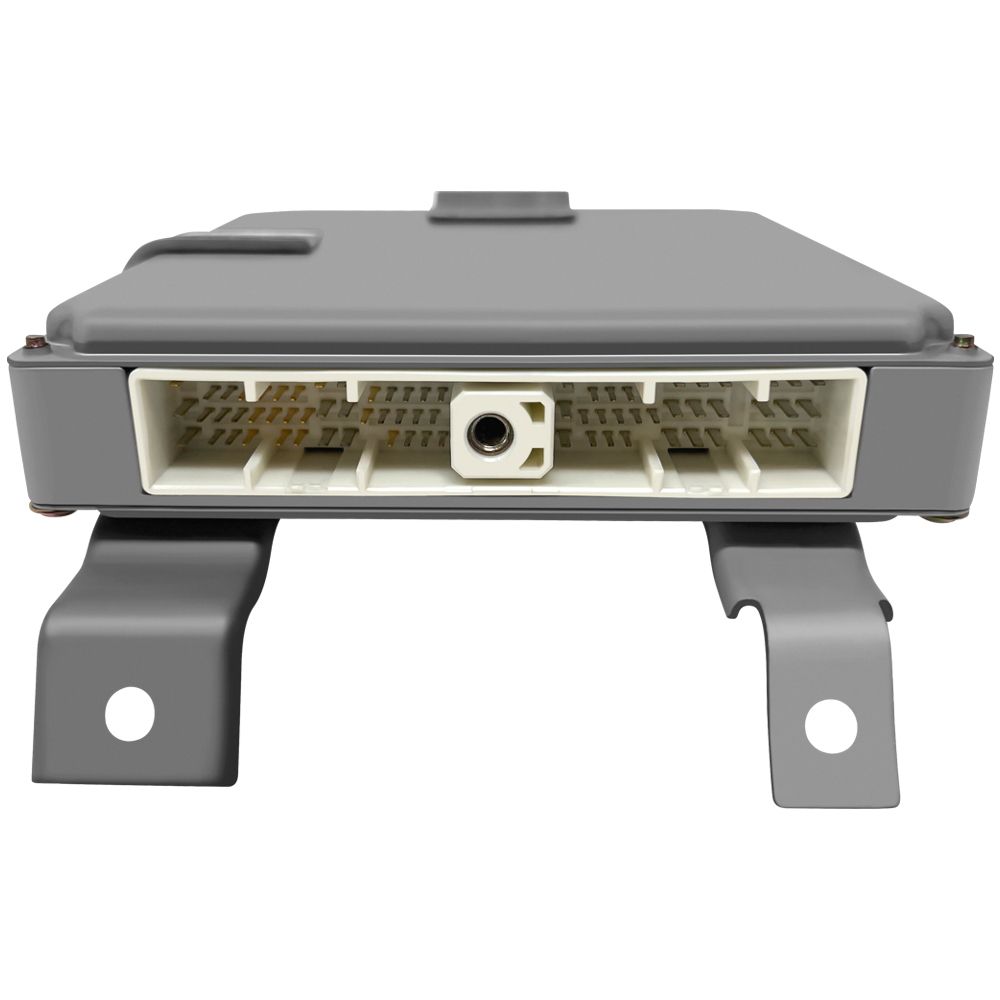
Flagship One stocks a refurbished, VIN-programmed PCM for the 1997 Nissan Pathfinder with a lifetime warranty, free shipping and no core charge. The full Nissan Pathfinder module lineup covers other engine configurations as well.
The ECM in your 1997 Nissan Pathfinder plays a vital role in keeping your engine running smoothly. When it fails, the symptoms can range from subtle drivability issues to a complete no-start condition. Understanding the signs of ECM failure, the replacement process, and the importance of proper programming can help you make informed decisions about repairs. Whether you opt for a dealer replacement or a VIN-programmed unit from Flagship One, addressing ECM issues promptly will ensure your Pathfinder remains reliable for years to come.