
Last updated on August 25th, 2026 at 01:06 pm
The Powertrain Control Module (PCM) in the 2013 Mazda CX-9 manages engine and transmission functions. Failures may cause drivability issues, warning lights, or communication errors with other vehicle systems.
If your 2013 Mazda CX-9 has started stalling, refusing to start, or illuminating warning lights, the Powertrain Control Module (PCM) may be failing. This critical computer manages everything from fuel delivery to transmission shifts, and when it malfunctions, your vehicle’s performance can suffer in noticeable ways. Replacing the PCM isn’t just about swapping a part—it involves careful installation and often reprogramming to match your CX-9’s specific configuration. Understanding the process, symptoms, and solutions can help you make informed decisions, whether you’re diagnosing an issue or preparing for a repair. This guide covers what the PCM does, how to recognize failure signs, and what to expect during replacement and programming, so you can address the problem efficiently and avoid unnecessary delays.
In the 2013 Mazda CX-9, the Powertrain Control Module (PCM) acts as the brain of the engine and transmission systems. It continuously monitors sensors to adjust fuel injection, ignition timing, and shift points, ensuring optimal performance and efficiency. Without a functioning PCM, your CX-9 may struggle to start, run poorly, or even enter a failsafe mode that limits power. The module also communicates with other onboard computers, such as the ABS and body control modules, to coordinate functions like traction control and stability management. When the PCM fails, it often triggers warning lights on the dashboard and stores trouble codes that can help pinpoint the issue. Replacing it requires not just physical installation but also programming to sync with your vehicle’s unique settings. For the 2013 Mazda CX-9, replacement engine control modules are designed to fit this model’s specifications, but ensuring compatibility and proper calibration is key to restoring smooth operation.
2013 Mazda CX-9
OEM programmed ECM for your 2013 Mazda CX-9 — plug & play, no dealer visit.
Free shipping · Lifetime warranty
The PCM in the 2013 Mazda CX-9 is located in the engine bay, typically mounted near the firewall or on the driver’s side fender well. Accessing it involves removing a protective cover or air intake components, depending on the vehicle’s configuration. Once exposed, the module is secured with bolts and connected via a wiring harness. Replacement involves disconnecting the battery, unplugging the harness, removing the mounting bolts, and installing the new unit in reverse order. According to factory labor estimates, the Powertrain Control Module R&R (removal and replacement) process takes 0.6 hours. The Engine Control Module R&R follows the same time estimate, as it refers to the same component in this vehicle. No additional disassembly is typically required beyond accessing the module itself, but care must be taken to avoid damaging the wiring or connectors during the process.
Work with the ignition off, and treat the module as static-sensitive: avoid touching the connector pins at any point.
| Operation | Configuration | Book Time |
|---|---|---|
| Powertrain Control Module R&R | All configurations | 0.6 hr |
| Engine Control Module R&R | All configurations | 0.6 hr |
| Engine Control Module Relearn | All configurations | 0.5 hr |
After replacing the PCM in your 2013 Mazda CX-9, the factory procedure requires a relearn process to synchronize the module with the vehicle’s systems. This step, which takes approximately 0.5 hours, ensures the PCM recognizes the engine, transmission, and other components, allowing for proper operation. Without this programming, your CX-9 may experience drivability issues, warning lights, or even fail to start. However, when you install a VIN-programmed replacement unit, these steps are already completed, saving you time and potential frustration. The pre-programmed module arrives configured to your vehicle’s specifications, eliminating the need for additional dealer visits or specialized equipment. This streamlines the repair process, allowing you to focus on getting your CX-9 back on the road without unnecessary delays.
A failing PCM in the 2013 Mazda CX-9 often announces itself through a range of drivability issues. One of the most common signs is a no-start condition, where the engine cranks but refuses to fire, often due to incorrect fuel or spark signals from the module. Stalling at idle or during acceleration may also occur, as the PCM struggles to maintain proper engine timing or air-fuel ratios. Warning lights, such as the check engine or traction control indicators, frequently illuminate, and a scan tool may reveal module-internal codes like internal control module memory checksum error. Other symptoms include rough idling, poor fuel economy, or transmission shifting problems, as the PCM’s communication with the transmission control module becomes disrupted. In some cases, the vehicle may enter a limp-home mode, limiting speed and power to prevent further damage. If you notice these issues, prompt diagnosis is key to avoiding more severe performance problems or potential breakdowns.
The 2013 Mazda CX-9 may store specific trouble codes when the PCM begins to fail. These codes help identify the nature of the problem, whether it’s an internal module fault, communication error, or sensor-related issue. Below are the documented module-internal trouble codes associated with this vehicle.
| Bulletin | Subject | What It Addresses |
|---|---|---|
| — | Technical Service Bulletin > Body and Accessories > Instrumentation/Driver Info. > 09-007/15 – | — |
A weak or improperly charged battery can cause voltage fluctuations that disrupt the PCM’s operation, leading to stalling. After battery replacement, the PCM may need time to relearn idle settings, which can temporarily affect drivability. Ensuring the battery is fully charged and properly connected can help stabilize the system.
Yes, a failing alternator can produce inconsistent voltage, either too high or too low, which may stress or damage the PCM over time. If you notice dimming lights, battery warning indicators, or electrical issues, have the alternator tested promptly to avoid potential module failure.
The U0100 code indicates a lost communication error between the PCM and another control module, such as the transmission or ABS system. This can occur due to wiring issues, a failing module, or poor electrical connections. Diagnosing the root cause typically involves checking the vehicle’s network for faults.
The P0603 code points to an internal control module keep-alive memory error, which may cause drivability issues like stalling or poor acceleration. While the vehicle may still run, it’s best to address the code promptly to avoid potential breakdowns or further damage to the PCM.
If your CX-9 exhibits persistent drivability issues, warning lights, or communication errors after a PCM replacement, reprogramming may be necessary. Symptoms like rough idling, transmission shifting problems, or failure to start can indicate the module isn’t properly synced with the vehicle’s systems. A pre-programmed replacement unit eliminates this step.
If your 2013 Mazda CX-9 is experiencing PCM-related issues, you have options for repair or replacement. While some owners opt for a refurbished or remanufactured module to save costs, others prefer a new unit for added reliability. Given the labor involved in replacement and programming, choosing a pre-configured module can streamline the process and reduce downtime. Whether you’re addressing a no-start condition or persistent warning lights, understanding your choices helps you make the best decision for your vehicle’s needs.
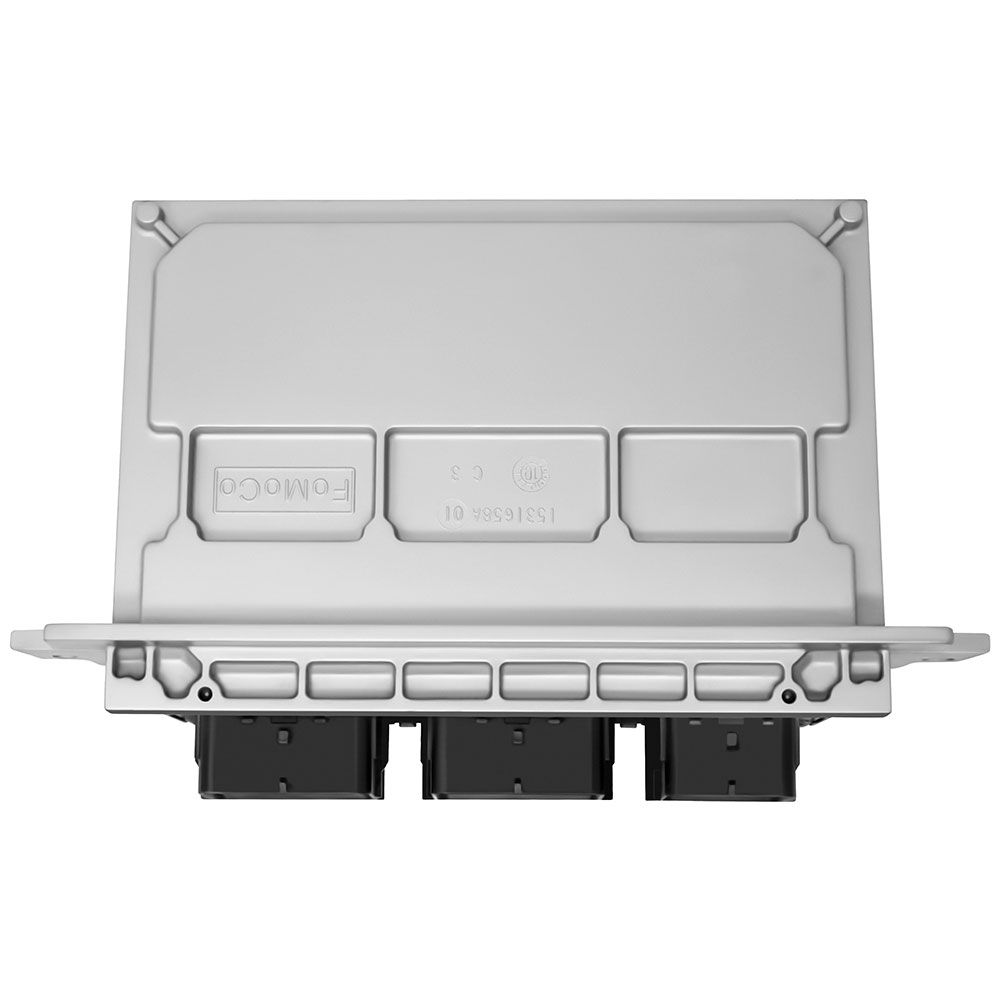
Flagship One stocks a refurbished, VIN-programmed PCM for the 2013 Mazda CX-9 with a lifetime warranty, free shipping and no core charge. The full Mazda CX-9 module lineup covers other engine configurations as well.
The 2013 Mazda CX-9 relies on its PCM to manage critical engine and transmission functions, and when it fails, the impact on drivability can be significant. Recognizing the symptoms early, understanding the replacement process, and choosing the right module can help you restore your vehicle’s performance efficiently. Whether you’re dealing with stalling, warning lights, or communication errors, addressing the issue promptly ensures your CX-9 remains reliable for the road ahead.