
Last updated on August 25th, 2026 at 01:06 pm
In the 2005 Mazda B3000, the Powertrain Control Module (PCM) manages fuel delivery, ignition timing, and transmission shift points. A failure typically disrupts communication with sensors, leading to no‑start conditions, erratic idle, or loss of power, and may trigger diagnostic trouble codes.
When a 2005 Mazda B3000 begins to exhibit hard‑starting or flooding during cold weather, the Powertrain Control Module is a common culprit. Understanding what the PCM does, how it is accessed, and what programming steps follow replacement can help you decide whether to repair or replace the unit. This guide walks you through the module’s role in your truck, the physical removal and installation process, the necessary relearn operation, and how Flagship One’s VIN‑programmed replacements simplify the job. By the end, you will know the typical labor involved, the factory‑issued service bulletin that addresses the symptom, and practical steps to protect the new PCM from future issues.
The Powertrain Control Module in the 2005 Mazda B3000 serves as the central computer that coordinates engine and transmission functions. It receives input from a network of sensors, calculates the optimal fuel mixture, ignition timing, and shift strategy, then commands actuators accordingly. Because the B3000 relies on precise timing for both power delivery and gear changes, a malfunctioning PCM can cause no‑start conditions, erratic shifting, or stalling under load. Maintaining correct PCM operation is essential for emissions compliance and drivability. The module also stores adaptive learning data that the vehicle uses to fine‑tune performance over time. replacement powertrain modules for the B3000 ensure that a new unit integrates seamlessly with existing wiring and sensor arrays.
2005 Mazda B3000
OEM programmed replacements — plug & play, no dealer visit.
Find yours by year, make & model →
Free shipping · Lifetime warranty
The PCM in the 2005 Mazda B3000 is mounted within the engine compartment, typically attached to the firewall near the intake manifold. Access requires removal of a few bolts and disconnecting the main power connector. According to the labor guide, removing and installing the PCM takes about 0.5 hours. After the old unit is withdrawn, the replacement is positioned in the same location, secured with the original fasteners, and the connector is reattached. No additional torque specifications are provided in the source material, so standard factory torque values for the bolts should be followed if available.
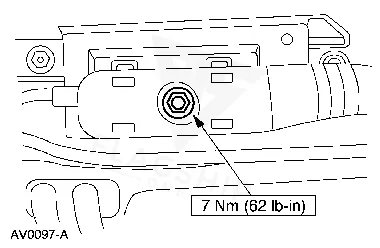
Work with the ignition off, and treat the module as static-sensitive: avoid touching the connector pins at any point.
| Operation | Configuration | Book Time |
|---|---|---|
| Powertrain Control Module R&R | B2300 | 0.5 hr |
| Powertrain Control Module R&R | B3000 | 0.5 hr |
| Powertrain Control Module R&R | B4000 | 0.5 hr |
| Powertrain Control Module Relearn | B2300 | 0.5 hr |
| Powertrain Control Module Relearn | B3000 | 0.5 hr |
| Powertrain Control Module Relearn | B4000 | 0.5 hr |
| Engine Control Module R&R | B2300 | 0.5 hr |
| Engine Control Module R&R | B3000 | 0.5 hr |
Once the PCM is physically installed, the factory procedure calls for a relearn operation that calibrates the module to the vehicle’s existing sensors and transmission. The service guide lists a separate 0.5‑hour PCM relearn step. Flagship One units arrive already VIN‑programmed, meaning the required calibration data is pre‑loaded, and the relearn can be completed quickly or may be unnecessary. a VIN-programmed replacement unit therefore reduces shop time and eliminates the need for a separate programming session.
A failing PCM in a 2005 Mazda B3000 may manifest as a hard start or flooding condition, especially in cold weather, as noted in the service bulletin. Other typical signs include the engine refusing to start, intermittent stalling while driving, rough idle, or erratic transmission shifting. Diagnostic trouble codes may appear on a scan tool, often indicating communication loss with the PCM or sensor mismatches. In some cases, the check engine light will illuminate, and the vehicle may enter a limp‑mode to protect the engine.
Factory Service Bulletin 01 012/05 for 2004‑2005 B Series Trucks, including the B3000, addresses hard‑start or flooding issues that occur during cold‑start PCM reprogramming. The bulletin recommends verifying PCM software version and performing the prescribed relearn procedure to resolve the condition.
| Bulletin | Subject | What It Addresses |
|---|---|---|
| — | 01 012/05 2004 2005 B Series Trucks B2300 Hard Start Or Flooding During Cold Start PCM Reprogra | — |
The labor guide lists 0.5 hours for removal and installation of the PCM, plus an additional 0.5 hours for the required relearn procedure.
A used PCM may lack the correct VIN‑specific calibration, which can require additional programming steps. A VIN‑programmed replacement eliminates that extra work.
The bulletin advises verifying the PCM software version and performing the PCM relearn after replacement to correct hard‑start or flooding symptoms.
Factory guidance calls for a 0.5‑hour relearn step, but a VIN‑programmed unit from Flagship One may already contain the necessary data, reducing the need for a separate procedure.
Common signs include hard starting, flooding during cold starts, engine stalling, erratic transmission shifts, and persistent check‑engine illumination with related trouble codes.
When the PCM in your 2005 Mazda B3000 shows signs of failure, you can choose between repairing the existing unit or installing a refurbished replacement. A refurbished module that arrives VIN‑programmed can streamline the job by removing the need for extensive reprogramming, while a repaired unit may be a cost‑effective alternative if the core hardware remains sound.
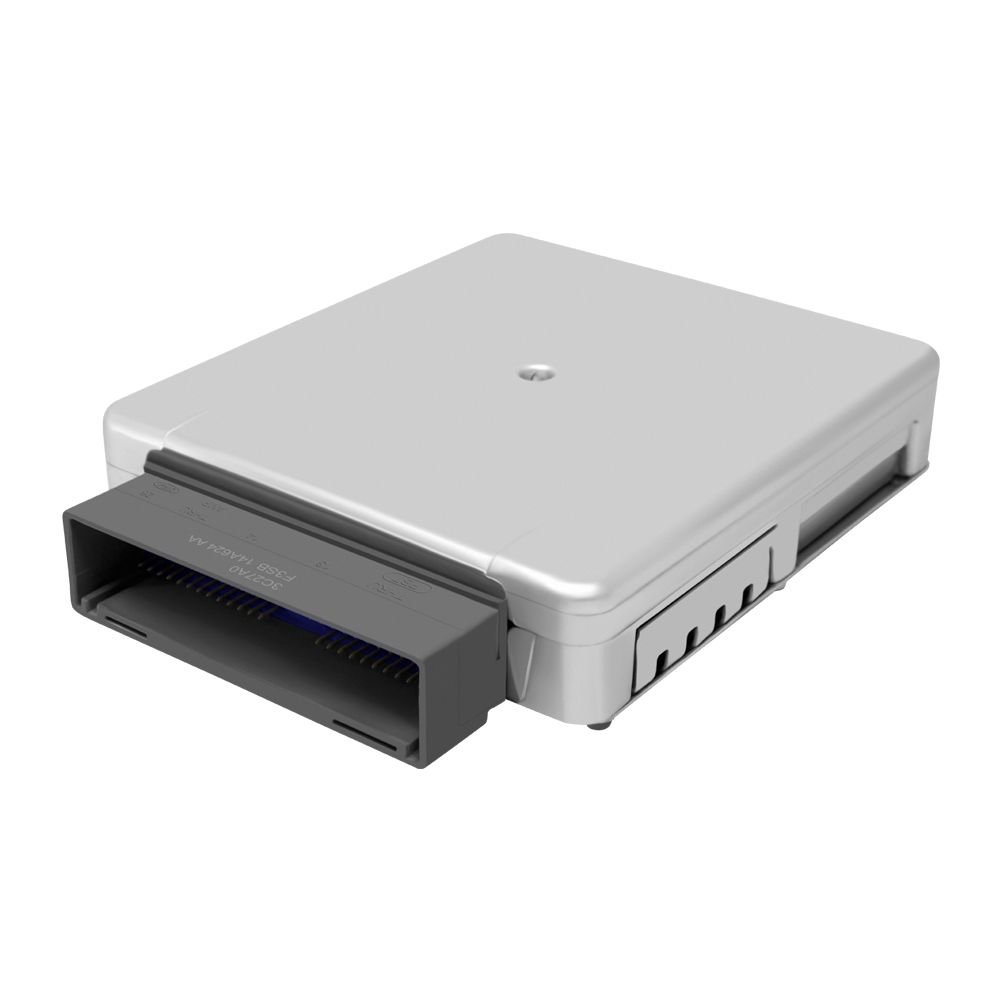
Flagship One stocks a refurbished, VIN-programmed PCM for the 2005 Mazda B3000 with a lifetime warranty, free shipping and no core charge. The full Mazda B3000 module lineup covers other engine configurations as well.
For owners of a 2005 Mazda B3000, addressing PCM issues promptly can restore reliable engine performance and prevent further drivability problems. Consider a VIN‑programmed replacement to simplify installation and ensure proper calibration.