
Last updated on August 25th, 2026 at 02:04 pm
The Engine Control Module (ECM) in your 2016 Lexus RC350 manages fuel delivery, ignition timing, and emissions systems. Failures may cause drivability issues, poor performance, or internal fault codes like P0606.
If your 2016 Lexus RC350 is experiencing unexplained stalling, rough idle, or a no-start condition, the Engine Control Module (ECM) may be at fault. This critical component acts as the brain of your vehicle’s powertrain, coordinating fuel injection, ignition timing, and emissions controls. When it fails, symptoms can range from subtle performance issues to complete engine shutdown. Replacing the ECM involves more than just swapping hardware—it requires precise programming to match your vehicle’s specifications. Understanding the factory procedures, labor times, and post-installation steps can help you make informed decisions about repairs. Whether you’re a DIY enthusiast or working with a professional, knowing what to expect ensures a smoother process and reduces the risk of complications down the road.
The Engine Control Module (ECM) in your 2016 Lexus RC350 is responsible for managing the engine’s performance by processing data from sensors throughout the vehicle. It adjusts fuel delivery, ignition timing, and idle speed to optimize efficiency and power while keeping emissions in check. Without a properly functioning ECM, your vehicle may struggle to start, run erratically, or even fail to meet emissions standards. The module also communicates with other systems, such as the transmission and stability control, to ensure smooth operation. When replacing the ECM, it’s crucial to use replacement engine computers for the RC350 that are compatible with your vehicle’s specifications. A faulty ECM can lead to a cascade of issues, including poor fuel economy, increased emissions, and potential damage to other components if left unaddressed.
2016 Lexus RC350
OEM programmed ECM for your 2016 Lexus RC350 — plug & play, no dealer visit.
Free shipping · Lifetime warranty
The ECM in your 2016 Lexus RC350 is located in the engine bay, though accessing it requires removing the cable from the negative battery terminal first. This step is critical to avoid electrical shorts or damage to sensitive components. According to factory labor estimates, replacing the ECM typically takes 0.7 hours. After installation, a relearn procedure is necessary, which adds another 0.5 hours to the process. The factory also specifies that you must wait a certain period after turning the engine switch off before disconnecting the battery cable. This waiting time helps prevent voltage spikes that could damage the new module or other electronic systems in your vehicle.
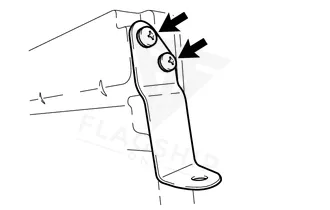
Work with the ignition off, and treat the module as static-sensitive: avoid touching the connector pins at any point.
| Operation | Configuration | Book Time |
|---|---|---|
| Powertrain Control Module Relearn | All configurations | 0.5 hr |
| Powertrain Control Module R&R | All configurations | 0.7 hr |
| Engine Control Module Reset | All configurations | 0.3 hr |
| Engine Control Module R&R | All configurations | 0.7 hr |
| Engine Control Module Relearn | All configurations | 0.5 hr |
After replacing the ECM in your 2016 Lexus RC350, the factory requires a VIN registration procedure to ensure the module recognizes your vehicle’s specific configuration. This step is essential for proper operation, as the ECM relies on the VIN to adjust settings like fuel maps and emissions controls. The process typically involves using a scan tool to input the VIN and may take up to 0.5 hours. However, if you install a VIN-programmed replacement unit from Flagship One, this step is already completed, saving you time and reducing the risk of programming errors. Always follow the factory guidelines for battery disconnection and reconnection to avoid voltage-related issues during the installation process.
A failing ECM in your 2016 Lexus RC350 may cause a variety of symptoms that can disrupt your driving experience. Common signs include intermittent stalling, especially at idle or during acceleration, as the module struggles to maintain proper fuel and ignition timing. You might also notice a no-start condition, where the engine cranks but fails to fire, often due to incorrect fuel delivery or spark signals. Rough idling, hesitation, or poor throttle response are other red flags, as the ECM may fail to adjust engine parameters in real time. In some cases, the vehicle may enter a limp mode, limiting power to prevent further damage. Internal faults like an internal processor error can trigger the check engine light and may be accompanied by other codes related to fuel trim or sensor performance. If your scan tool fails to communicate with the ECM, it could indicate a complete module failure or a wiring issue. Transmission shifting problems may also arise, as the ECM and transmission control module often share data to optimize gear changes.
The 2016 Lexus RC350 may log specific trouble codes when the ECM begins to fail. These codes can help diagnose the issue and determine whether replacement is necessary. Below are the documented module-internal trouble codes for this vehicle.
| Code | Meaning | Full Guide |
|---|---|---|
| P0606 | Module processor failure | Full P0606 guide → |
The factory service notices for the 2016 Lexus RC350 emphasize the importance of following proper procedures when replacing the ECM. Specifically, technicians are reminded to perform VIN registration after installation to ensure the module syncs with the vehicle’s systems. The notices also highlight the need to wait a specified period after turning the engine switch off before disconnecting the negative battery terminal. This precaution helps prevent voltage spikes that could damage the new ECM or other electronic components. Always refer to the latest factory guidelines to avoid complications during the replacement process.
The VIN registration ensures the new ECM recognizes your vehicle’s specific configuration, including fuel maps, emissions settings, and transmission parameters. Without this step, the module may not function correctly, leading to drivability issues or even a no-start condition. The process typically involves using a scan tool to input the VIN, which syncs the ECM with your vehicle’s systems.
Replacing the ECM in your 2016 Lexus RC350 typically takes 0.7 hours of labor, according to factory estimates. This includes removing the old module and installing the new one. However, you should also account for an additional 0.5 hours for the relearn procedure, which is necessary to ensure the new ECM operates correctly with your vehicle’s systems.
Failing to wait the required time before disconnecting the battery can cause voltage spikes, which may damage the ECM or other electronic components in your vehicle. The factory specifies this waiting period to allow capacitors in the system to discharge safely. Always follow the manufacturer’s guidelines to avoid unnecessary repairs.
While your vehicle may still run with a P0606 code, it’s not advisable to ignore it. This code indicates an internal processor error in the ECM, which can lead to drivability issues like stalling, poor acceleration, or even a no-start condition. Addressing the issue promptly can prevent further damage to the module or other systems.
If your scan tool can’t communicate with the ECM, it may indicate a complete module failure, a wiring issue, or a blown fuse. Start by checking the fuses and inspecting the wiring harness for damage or corrosion. If those appear intact, the ECM itself may need to be replaced. A professional diagnostic tool can help pinpoint the exact cause.
If your 2016 Lexus RC350 is experiencing ECM-related issues, you have options for repair or replacement. While a dealership may offer a new module, it often comes with a higher cost and longer wait times. A refurbished or remanufactured ECM from a reputable supplier can provide a cost-effective alternative without sacrificing quality. Flagship One units are pre-programmed with your vehicle’s VIN, eliminating the need for additional registration steps and ensuring a smoother installation process. Consider your budget, timeline, and long-term reliability when deciding on the best solution for your vehicle.
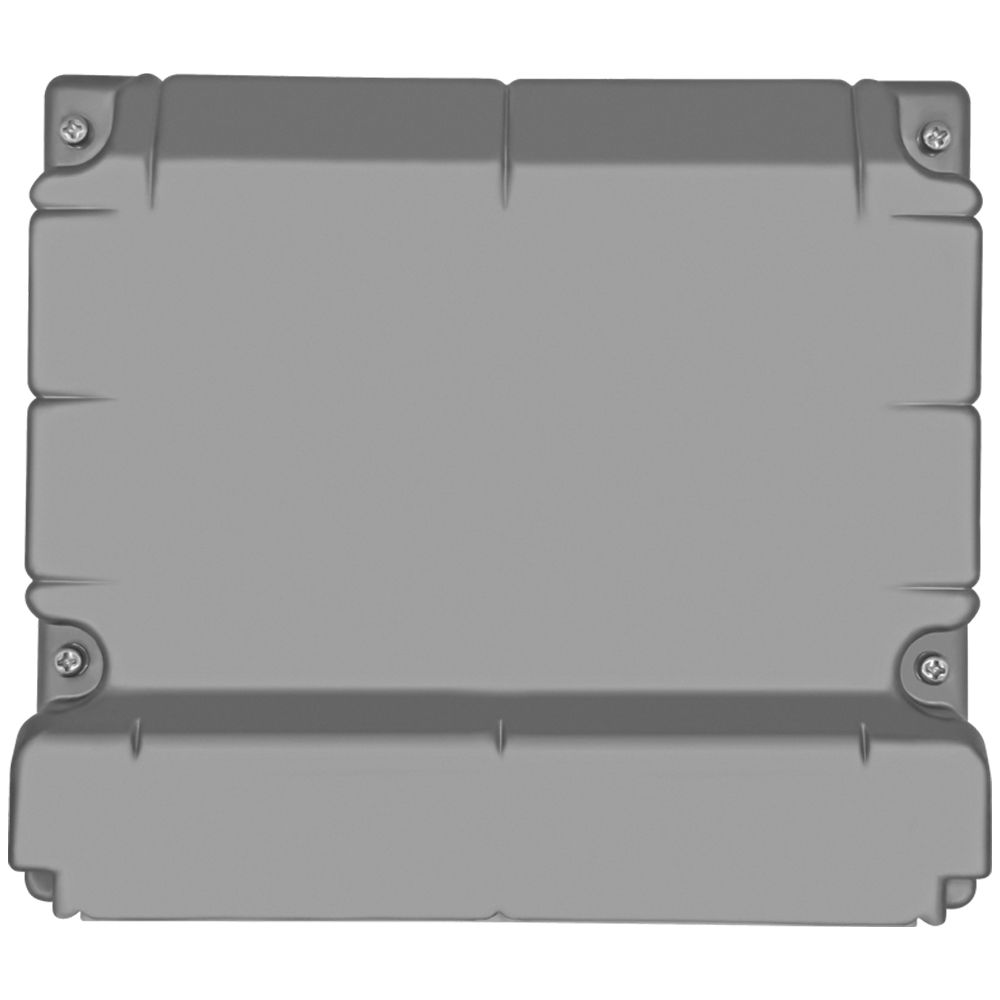
Flagship One stocks a refurbished, VIN-programmed PCM for the 2016 Lexus RC350 with a lifetime warranty, free shipping and no core charge. The full Lexus RC350 module lineup covers other engine configurations as well.
Replacing the ECM in your 2016 Lexus RC350 is a manageable task when you understand the factory procedures and labor requirements. Whether you’re dealing with a no-start condition, stalling, or an internal fault code like P0606, addressing the issue promptly can restore your vehicle’s performance and reliability. By following the recommended steps and using a pre-programmed replacement unit, you can minimize downtime and avoid common pitfalls. If you’re unsure about the process, consulting a professional can help ensure the job is done correctly the first time.