
Last updated on August 25th, 2026 at 01:07 pm
The Engine Control Module (ECM) in your 2013 Lexus RX350 manages fuel delivery, ignition timing, and emissions systems. Failures may cause erratic engine behavior, stored trouble codes, or a complete no-start condition.
If your 2013 Lexus RX350 has developed unexplained stalling, rough idling, or a refusal to start, the Engine Control Module (ECM) may be the culprit. This critical component acts as the brain of your vehicle’s engine, regulating everything from fuel injection to ignition timing. When it fails, symptoms can range from subtle drivability issues to a complete breakdown. Replacing the ECM isn’t as simple as swapping a fuse—it requires precise access, programming, and initialization to ensure your RX350 runs as intended. Understanding the process, from labor time to post-install steps, helps you make informed decisions about repairs. Whether you’re considering a dealer visit or a pre-programmed replacement, knowing what’s involved saves time and avoids surprises. This guide covers the essentials: where the ECM is located, what replacement entails, and how to recognize failure symptoms before they leave you stranded.
The Engine Control Module (ECM) in your 2013 Lexus RX350 is a sophisticated computer responsible for managing the engine’s performance. It processes data from sensors throughout the vehicle to optimize fuel delivery, ignition timing, and emissions control. Without a functioning ECM, your RX350 may struggle to start, run inefficiently, or even enter a fail-safe mode that limits power. This module is particularly critical in modern vehicles, where precise fuel-air mixtures and timing are essential for both performance and compliance with emissions standards. When the ECM fails, it often triggers warning lights on the dashboard and stores diagnostic trouble codes, such as replacement engine control modules for the RX350, which can help pinpoint the issue. Given its role in coordinating multiple systems, a faulty ECM can lead to a cascade of problems, from poor fuel economy to engine misfires. Replacing it isn’t just about restoring functionality—it’s about ensuring your vehicle operates as Lexus designed it to, with smooth acceleration and reliable starting every time.
2013 Lexus RX350
OEM programmed ECM for your 2013 Lexus RX350 — plug & play, no dealer visit.
Free shipping · Lifetime warranty
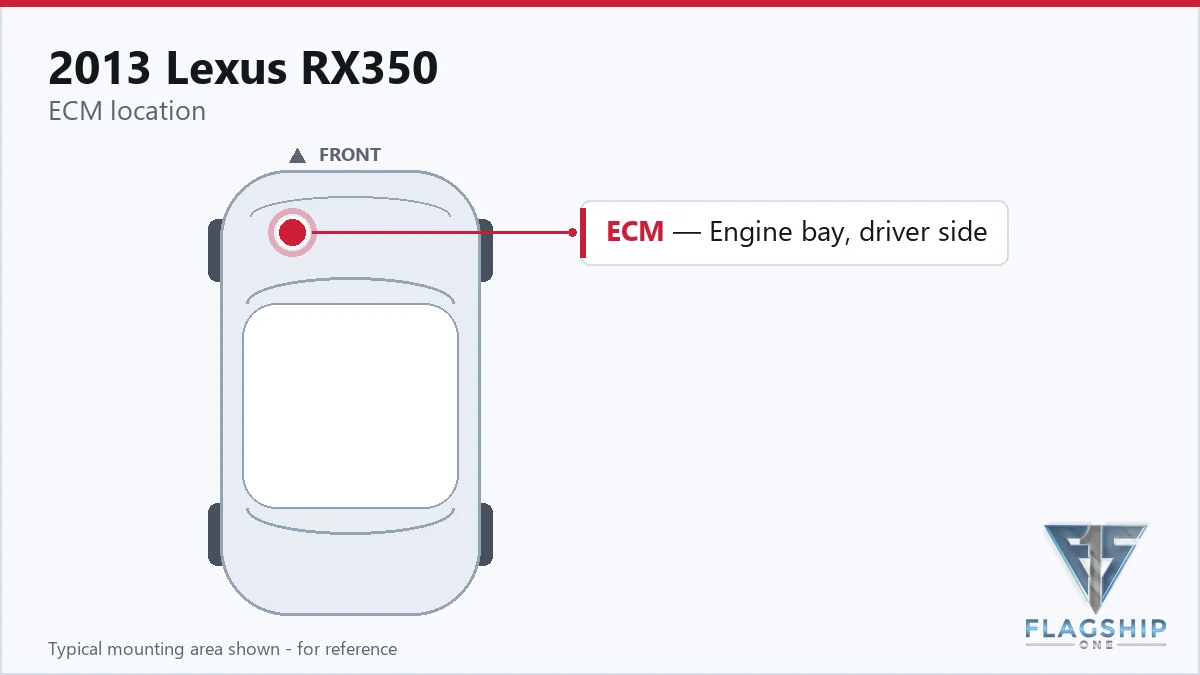
Work with the ignition off, and treat the module as static-sensitive: avoid touching the connector pins at any point.
| Operation | Configuration | Book Time |
|---|---|---|
| Powertrain Control Module R&R | All configurations | 1.4 hr |
| Engine Control Module R&R | All configurations | 1.4 hr |
| Engine Control Module Relearn | All configurations | 0.5 hr |
A failing ECM in your 2013 Lexus RX350 can manifest in several ways, often mimicking other issues like fuel system or ignition problems. Common symptoms include intermittent stalling, especially at idle or during deceleration, as the module struggles to maintain the correct air-fuel ratio. You may also notice the engine misfiring or hesitating under acceleration, which can feel like a lack of power or a rough idle. In some cases, the vehicle may fail to start altogether, leaving you with a cranking engine that refuses to fire. Warning lights on the dashboard, such as the Check Engine or VSC (Vehicle Stability Control) lights, are another red flag, often accompanied by stored trouble codes. One of the most telling signs is the presence of module-internal codes, such as an internal ECM processor fault, which indicates the computer itself is malfunctioning. Other potential symptoms include erratic shifting in the transmission, poor fuel economy, or even the engine entering a limp-home mode to prevent further damage. If your RX350 exhibits any of these behaviors, it’s worth having the ECM scanned for codes, as ignoring the issue could lead to more severe drivability problems or even a no-start condition.
When the ECM in your 2013 Lexus RX350 fails, it often stores specific trouble codes that can help diagnose the issue. These codes are typically module-internal, meaning they point directly to a problem within the ECM itself rather than a sensor or external component. Understanding these codes is key to determining whether the module needs replacement or if other repairs might resolve the issue.
| Code | Meaning | Full Guide |
|---|---|---|
| P0606 | Module processor failure | Full P0606 guide → |
Common signs include intermittent stalling, rough idling, or a no-start condition. The Check Engine light may illuminate, and a scan tool may reveal module-internal trouble codes like P0606. If the vehicle exhibits these symptoms, the ECM should be tested to rule out other potential issues.
While it’s possible for a skilled DIYer, the process involves removing the windshield wiper motor and link assembly, as well as disconnecting the battery with specific safety precautions. The ECM must also be programmed with the VIN, which requires specialized equipment. Most owners opt for professional installation to avoid complications.
The VIN programming ensures the ECM recognizes your specific vehicle’s configuration, including engine type, transmission, and emissions settings. Without this step, the module may not communicate properly with other systems, leading to poor performance or a no-start condition.
Failing to wait the full 90 seconds after disconnecting the negative battery cable may not fully disable the SRS (airbag) system. This could result in unintended airbag deployment or diagnostic errors, posing a safety risk during repairs.
A used ECM may physically fit, but it must be reprogrammed with your vehicle’s VIN to function correctly. Even then, there’s a risk of compatibility issues or hidden faults, making a new or remanufactured unit a more reliable choice.
If your 2013 Lexus RX350 is experiencing ECM-related issues, you have a few options. A dealer can provide a new module and handle the programming, but this often comes with higher costs and longer wait times. Alternatively, a pre-programmed replacement unit from Flagship One eliminates the need for post-install programming, saving you time and hassle. Whether you choose a new or remanufactured ECM, ensuring it’s properly matched to your vehicle’s VIN is critical for reliable performance. Consider your budget, timeline, and comfort level with DIY repairs when deciding the best path forward.
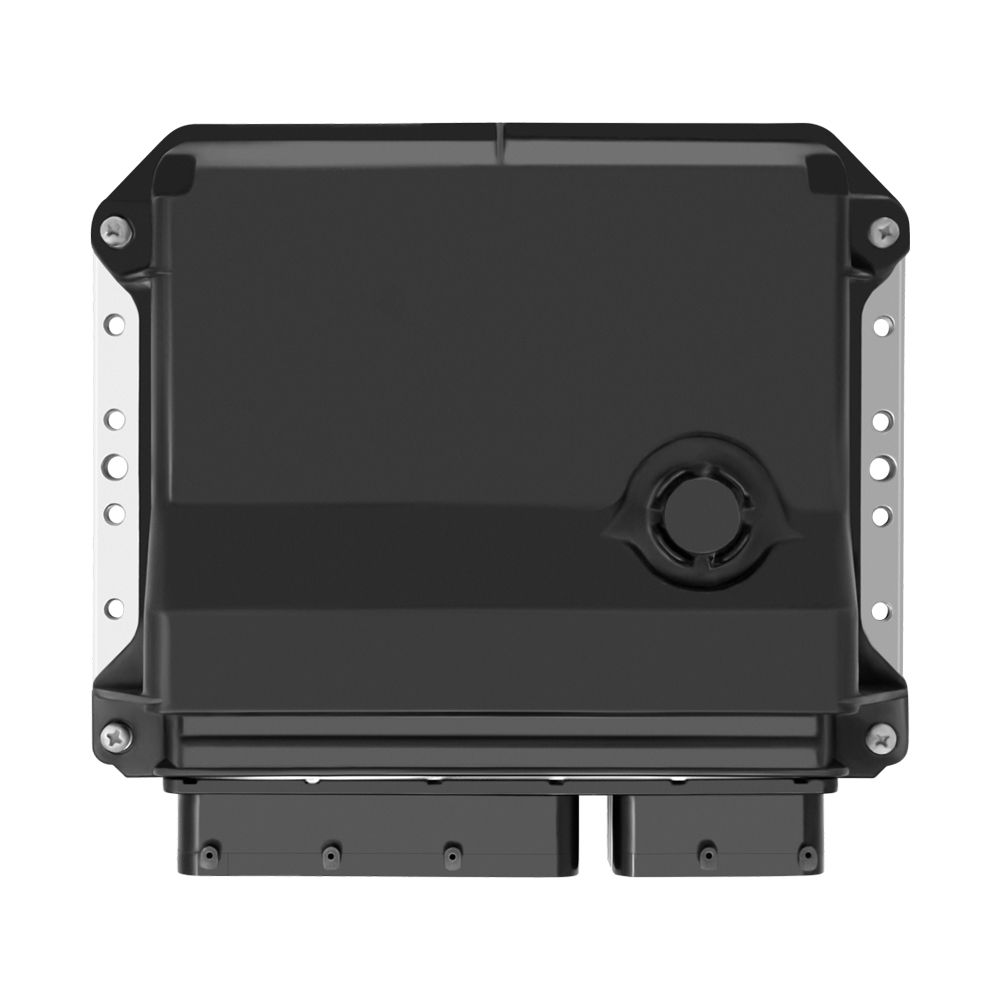
Flagship One stocks a refurbished, VIN-programmed PCM for the 2013 Lexus RX350 with a lifetime warranty, free shipping and no core charge. The full Lexus RX350 module lineup covers other engine configurations as well.
The ECM in your 2013 Lexus RX350 plays a vital role in keeping your engine running smoothly. When it fails, the symptoms can range from subtle drivability issues to a complete no-start condition. Understanding the replacement process, from labor time to programming requirements, helps you make informed decisions about repairs. Whether you opt for a dealer-installed unit or a pre-programmed replacement, addressing ECM issues promptly ensures your RX350 remains reliable and efficient. If you’re experiencing symptoms of failure, don’t delay—getting the module checked or replaced can save you from more costly repairs down the road.