
Last updated on August 25th, 2026 at 02:08 pm
The Engine Control Module (ECM) in your 2003 Lexus LS430 acts as the vehicle’s brain, processing sensor data to regulate fuel injection, ignition timing, and emissions. Failures may cause erratic engine behavior, poor performance, or complete no-start conditions.
If your 2003 Lexus LS430 has been experiencing unexplained stalling, rough idling, or a no-start condition, the Engine Control Module (ECM) may be the culprit. This small but critical component oversees nearly every aspect of engine performance, from fuel injection to ignition timing. When it fails, the effects can range from subtle drivability issues to complete immobilization. Replacing the ECM isn’t just about swapping a part—it involves careful installation and often a relearn procedure to ensure the new module communicates properly with the rest of the vehicle’s systems. Understanding the role of the ECM, how to identify failure symptoms, and what the replacement process entails can save you time and frustration. Whether you’re a DIY enthusiast or relying on a professional mechanic, knowing these details helps you make informed decisions about your vehicle’s health and avoid unnecessary complications during repairs.
The Engine Control Module (ECM) in your 2003 Lexus LS430 is essentially the command center for the engine’s operations. It continuously monitors data from sensors throughout the vehicle—such as the oxygen sensor, mass airflow sensor, and throttle position sensor—to make real-time adjustments to fuel delivery, ignition timing, and emissions controls. These adjustments ensure optimal performance, fuel efficiency, and compliance with emissions standards. Without a properly functioning ECM, your Lexus may struggle with poor acceleration, reduced fuel economy, or even fail to start. The module also plays a role in diagnosing issues, storing trouble codes that mechanics use to pinpoint problems. When the ECM fails, it can disrupt communication with other systems, leading to a cascade of drivability issues. If replacement becomes necessary, you’ll want to consider replacement engine computers for the LS430, which are designed to integrate seamlessly with your vehicle’s existing systems. The ECM’s importance cannot be overstated—it’s the difference between a smooth, responsive drive and a vehicle that feels sluggish or unreliable.
2003 Lexus LS430
OEM programmed ECM for your 2003 Lexus LS430 — plug & play, no dealer visit.
Free shipping · Lifetime warranty
In the 2003 Lexus LS430, the Engine Control Module (ECM) is located in the engine compartment, typically mounted near the firewall or on the passenger side of the vehicle. Accessing it involves removing a protective cover or panel, which may require disconnecting a few electrical connectors or fasteners. The labor time for removing and reinstalling the ECM is typically 0.8 hours, according to factory estimates. This includes the time needed to carefully disconnect the wiring harness, remove the old module, and secure the new one in place. Since the ECM is a sensitive electronic component, it’s important to handle it with care to avoid damaging the connectors or the module itself. Once installed, the module must be properly reconnected to the vehicle’s wiring harness to ensure reliable communication with the engine’s sensors and other systems.
Work with the ignition off, and treat the module as static-sensitive: avoid touching the connector pins at any point.
| Operation | Configuration | Book Time |
|---|---|---|
| Powertrain Control Module Relearn | All configurations | 0.5 hr |
| Engine Control Module R&R | All configurations | 0.8 hr |
| Engine Control Module Relearn | All configurations | 0.5 hr |
After replacing the Engine Control Module (ECM) in your 2003 Lexus LS430, a relearn procedure is often required to synchronize the new module with the vehicle’s systems. This process typically takes 0.5 hours and involves using a factory scan tool to reset the ECM’s memory and establish communication with the engine’s sensors. Without this step, the vehicle may experience drivability issues, such as rough idling or poor acceleration. However, if you opt for a VIN-programmed replacement unit, this relearn step is already completed before the module arrives. The unit is pre-configured to match your vehicle’s specific calibration, eliminating the need for additional programming at the time of installation. This not only saves time but also reduces the risk of errors during the setup process, ensuring your Lexus operates as intended from the moment the new ECM is installed.
When the Engine Control Module (ECM) in your 2003 Lexus LS430 begins to fail, the symptoms can vary widely but often include noticeable drivability issues. One of the most common signs is a no-start condition, where the engine cranks but refuses to fire up. This may be accompanied by intermittent stalling, particularly when the vehicle is idling or coming to a stop. You might also experience rough idling, where the engine feels unstable or vibrates excessively. Misfires are another frequent symptom, often triggering the check engine light and causing the vehicle to run poorly under acceleration. In some cases, the ECM may fail to communicate with a scan tool, making it difficult to retrieve trouble codes or diagnose other issues. If the module is partially failing, you may notice poor fuel economy or a lack of power during acceleration. One specific trouble code that may appear is an internal control module memory check sum error, which indicates a problem with the ECM’s memory or processing capabilities. This code, along with others like P0300 (random misfire) or P0171 (lean fuel mixture), often points to ECM failure when no other mechanical issues are present. Addressing these symptoms promptly can prevent further damage to the vehicle’s systems and restore reliable performance.
Lexus has issued service bulletins addressing ECM reprogramming procedures for the 2003 LS430 and other applicable models. Bulletin #SS001-01 outlines the ECU flash reprogramming process for 2001 and later vehicles, providing updated calibration data to improve performance and address known issues. Bulletin #SS002-07 details the Techstream ECU flash reprogramming procedure for 2001–2008 Lexus models, including the LS430. These bulletins are designed to ensure that the ECM operates with the latest software, which may resolve drivability concerns or prevent future failures. If your vehicle is experiencing symptoms related to ECM performance, these reprogramming procedures may be recommended as part of the diagnostic process.
| Bulletin | Subject | What It Addresses |
|---|---|---|
| SS001-01 | :SS001-01: ECU Flash Reprogramming Process: 2001 & Later Applicable Models (Revised) | — |
| SS002-07 | :SS002-07: 01-08 Applicable Lexus: Techstream ECU Flash Reprogramming Procedure | — |
Common signs include a no-start condition, intermittent stalling, rough idling, and misfires. You may also notice poor fuel economy, a lack of power during acceleration, or difficulty communicating with a scan tool. Trouble codes like P0601 or P0300 often accompany these symptoms.
Replacing the ECM typically takes 0.8 hours of labor for removal and installation. Additionally, a relearn procedure may be required, which takes an additional 0.5 hours. These times are based on factory estimates and may vary depending on the mechanic’s experience.
Yes, a relearn procedure is often necessary after replacing the ECM to ensure it communicates properly with the vehicle’s systems. This process typically takes 0.5 hours and requires a factory scan tool. However, using a pre-programmed unit eliminates this step.
While the ECM primarily controls engine functions, it also communicates with the transmission control module. A failing ECM may disrupt this communication, leading to shifting issues or erratic transmission behavior. If you notice transmission problems alongside engine symptoms, the ECM may be a contributing factor.
Driving with a failing ECM can be risky, as it may lead to sudden stalling or a no-start condition. Additionally, a malfunctioning ECM can cause poor engine performance, reduced fuel efficiency, or even damage to other components. If you suspect ECM failure, it’s best to address it promptly.
If your 2003 Lexus LS430 is exhibiting symptoms of ECM failure, you have a few options for repair. A dealership or independent mechanic can replace the module and perform the necessary relearn procedure, though this may involve additional labor time and costs. Alternatively, a pre-programmed replacement unit can simplify the process, eliminating the need for post-installation programming. This option ensures your vehicle is back on the road quickly, with minimal downtime. Consider the benefits of each approach based on your budget and timeline.
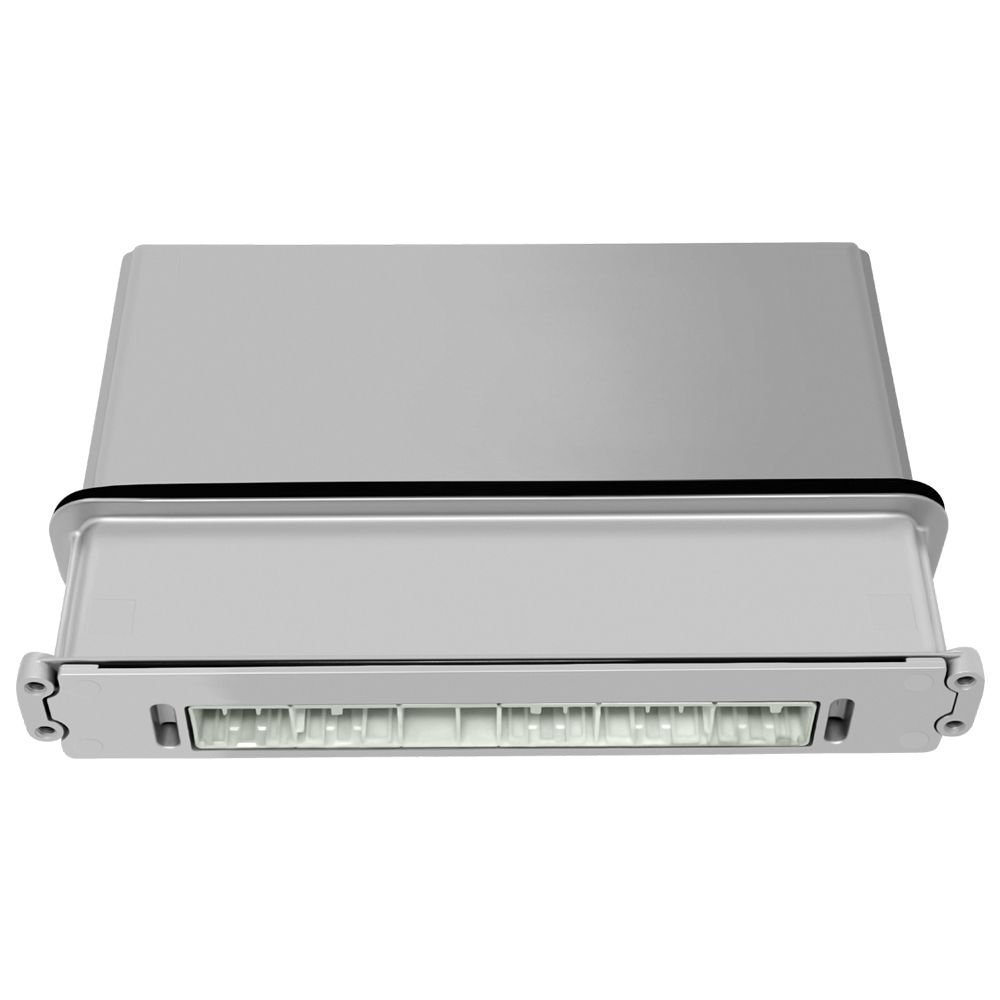
Flagship One stocks a refurbished, VIN-programmed PCM for the 2003 Lexus LS430 with a lifetime warranty, free shipping and no core charge. The full Lexus LS430 module lineup covers other engine configurations as well.
The Engine Control Module (ECM) is a critical component in your 2003 Lexus LS430, overseeing essential engine functions and ensuring smooth operation. When it fails, the symptoms can range from subtle drivability issues to complete immobilization. Understanding the role of the ECM, recognizing failure symptoms, and knowing the replacement process can help you make informed decisions about your vehicle’s care. Whether you choose to replace the module yourself or rely on a professional, addressing ECM issues promptly will restore your Lexus’s performance and reliability.