
Last updated on August 25th, 2026 at 01:15 pm
The Powertrain Control Module on your 2003 Ascender with the 5.3L V8 manages engine timing, fuel delivery, transmission shift points, and emissions systems. Internal processor failures often stem from voltage spikes, heat cycling, or corrupted software.
Your 2003 Isuzu Ascender equipped with the 5.3L V8 engine relies on electronic control modules to manage powertrain functions. When these modules fail, diagnostic trouble codes appear and drivability problems follow. This guide explains what the control modules do, where they are located, and what the replacement process involves. You will learn the factory-recommended procedures, why certain precautions matter, and how a properly programmed replacement unit saves time and potential issues. Whether you are diagnosing a no-start condition or planning a proactive replacement, the information here helps you understand the work ahead and make informed decisions about your vehicle’s repair.
The Powertrain Control Module (PCM) and its companion Engine Control Module (ECM) serve as the central nervous system for your Ascender’s powertrain. These processors communicate over a high-speed data bus to coordinate engine operation, transmission behavior, and emission controls. The ECM handles fuel injection quantity and duration, idle air control, and ignition timing based on inputs from the mass airflow sensor, throttle position sensor, coolant temperature sensor, and dozens of other sources. The PCM adds transmission shift logic, converter clutch engagement, and torque management to the equation. Together they continuously adjust mixture ratio, timing advance, and shift points to balance performance, fuel economy, and emissions compliance. When either module experiences an internal fault—common causes include voltage spikes from jump-starting, chronic low battery voltage, excessive heat under the hood, or gradual software corruption—the result is a vehicle that may not start, runs rough, stalls unexpectedly, or sets multiple trouble codes. Replacement engine computers for the Ascender must be matched to the specific VIN and calibrated for the 5.3L engine calibration to restore proper function.
Flagship One keeps Isuzu Ascender replacement engine computers in stock for exactly this failure pattern.
The factory service manual specifies that the control module is mounted directly on the intake manifold, requiring access from above after removing any interfering components. The removal procedure directs technicians to slide the module away from the manifold past the mounting studs before extracting it from the vehicle. This location places the PCM in a high-heat environment, which contributes to long-term reliability concerns. Book time allows 1.4 hours for ECM removal and installation, plus an additional 1.4 hours for PCM removal and installation—a total that reflects the careful routing of wiring harnesses and the need to avoid damaging surrounding components. The mounting studs must align precisely during reinstallation, and connectors should seat fully to ensure proper communication with engine sensors. No torque specifications were provided in the available documentation, but the procedure emphasizes secure mounting to prevent vibration-related failures.
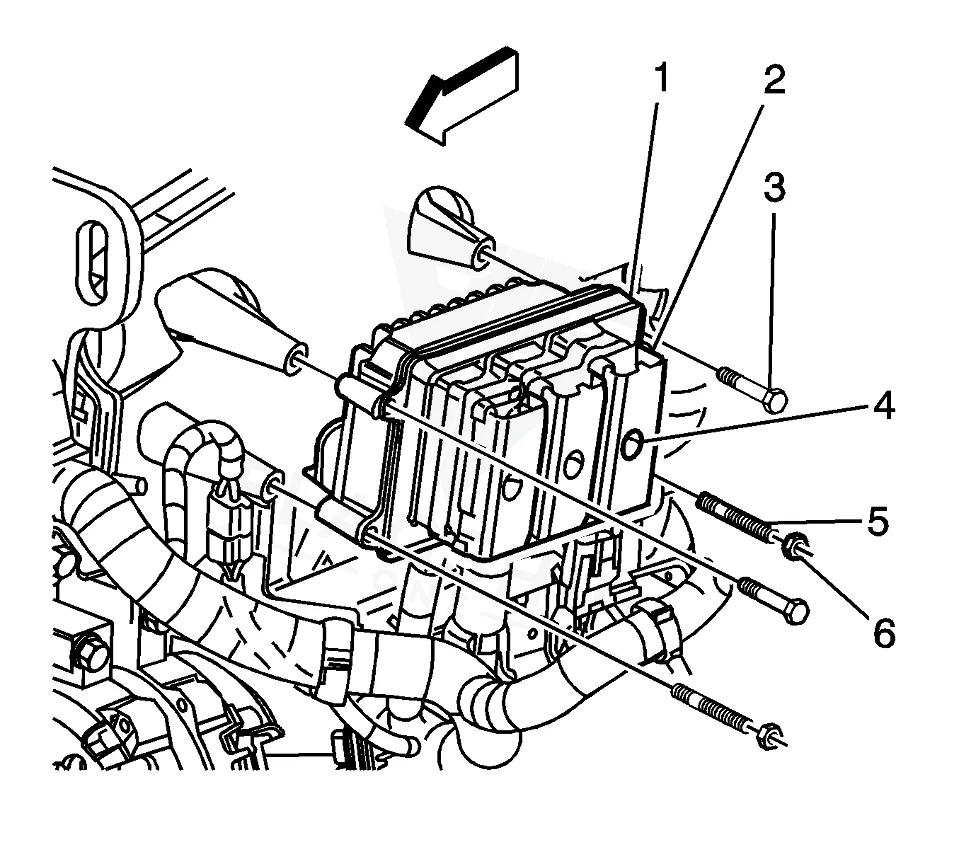
Work with the ignition off, and treat the module as static-sensitive: avoid touching the connector pins at any point.
| Operation | Configuration | Book Time |
|---|---|---|
| Engine Control Module R&R | All configurations | 1.4 hr |
| Engine Control Module Relearn | All configurations | 0.5 hr |
| Powertrain Control Module Relearn | All configurations | 0.5 hr |
| Powertrain Control Module R&R | All configurations | 1.4 hr |
2003 Isuzu Ascender
OEM programmed ECM for your 2003 Isuzu Ascender — plug & play, no dealer visit.
Free shipping · Lifetime warranty
When the control module on your 2003 Ascender begins to fail, the vehicle may exhibit a range of symptoms that often lead to diagnostic confusion. A no-start condition is common when internal processor memory becomes corrupted—the engine cranks but receives no fuel or spark commands. Stalling after startup or during deceleration frequently occurs when the module loses communication with the idle air control circuit or loses calibration data. Misfire codes (P0300 through P0308) may appear even though spark plugs and wires test good, because the module incorrectly interprets sensor inputs or fails to fire the correct injector. Some owners report that their scan tool cannot communicate with the module at all, indicating a failed data bus circuit within the PCM. Transmission shifting may become harsh, erratic, or stuck in a single gear when the PCM portion loses its calibration. In many cases, the check engine light illuminates with a P0601 code indicating internal memory check sum error, signaling that the processor has experienced a failure that compromises its ability to manage engine functions reliably.
The 2003 Isuzu Ascender with the 5.3L engine may store several module-internal diagnostic trouble codes when the PCM or ECM experiences internal faults. These codes span the P0600 series through P1683 and indicate various failure modes including memory checksum errors, processor faults, reference voltage problems, and communication failures within the control module itself.
Factory service bulletin #02-09-41-001 addresses a known issue where diagnostic trouble codes B1001, B1271, or B1780 set when replacing or reprogramming modules other than the PCM. This bulletin provides guidance to service technicians on proper module replacement procedures to avoid triggering false codes in non-PCM modules during the replacement process. The bulletin emphasizes that following the correct programming sequence prevents these spurious codes from appearing.
| Bulletin | Subject | What It Addresses |
|---|---|---|
| 02-09-41-001 | Info – DTCs B1001, B1271 or B1780 Set When Replacing/Reprogramming Other Modules – (May 24, 200 | — |
A used PCM may work if it is programmed for your specific VIN, but it likely contains the same internal flaws that caused the original unit to fail. Additionally, salvage units often arrive with unknown mileage and may have corrupted calibration data that causes drivability issues.
The factory procedure requires recording the remaining oil life percentage before disconnecting power. If this step was skipped during replacement, the new module defaults to 100% as a safety measure. Your technician can update this value using a scan tool.
Intermittent starting has many potential causes including the starter, ignition switch, fuel pump, and wiring issues. A failing PCM can cause this symptom, but proper diagnosis should rule out other sources before replacing the control module.
Not necessarily. Flagship One sends replacement units already programmed with your VIN, which means the module should communicate with your vehicle immediately after installation. A dealer visit may still be needed for certain specialized relearn procedures, but most technicians can complete the installation without dealer assistance.
Diagnosing a failed PCM typically requires checking for internal trouble codes like P0601, verifying that the module fails to respond to scan tool commands, and ruling out power and ground supply issues. A professional diagnostic approach saves money by confirming the module is actually faulty before replacing it.
When your 2003 Isuzu Ascender requires a replacement control module, you have two primary paths: repair the existing unit or install a refurbished replacement. Repair involves returning your original module for component-level service, which may take longer but ensures you receive your exact hardware. A refurbished replacement arrives ready to install with VIN programming already completed. Either option typically costs less than dealer pricing and avoids the wait times often associated with OEM parts orders. Your choice depends on your timeline, budget, and whether you prefer to keep your original hardware.
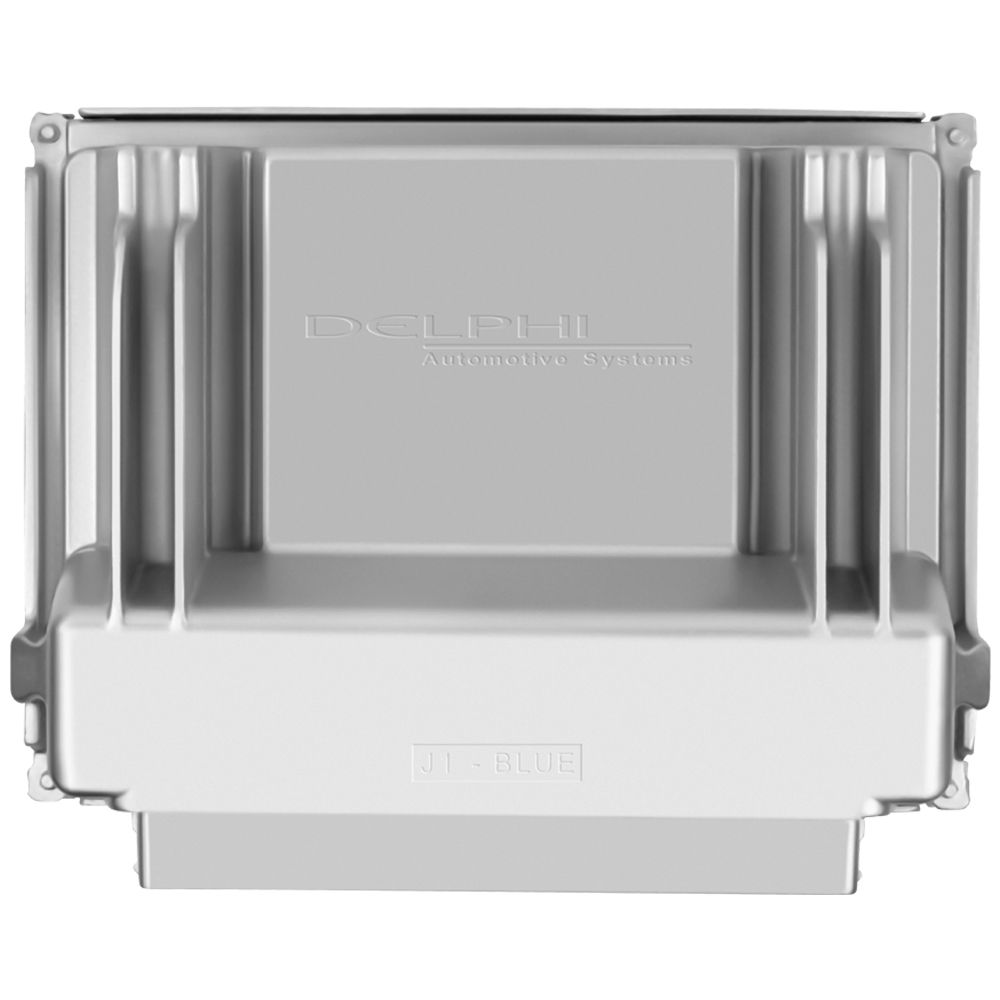
Flagship One stocks a refurbished, VIN-programmed PCM for the 2003 Isuzu Ascender with a lifetime warranty, free shipping and no core charge. The full Isuzu Ascender module lineup covers other engine configurations as well.
The 2003 Isuzu Ascender’s PCM and ECM manage critical functions across the powertrain, and failure of these modules creates drivability issues that strand drivers or trigger warning lights. Understanding the location at the intake manifold, the importance of proper programming, and the factory precautions helps you approach replacement with confidence. Whether you diagnose the fault yourself or rely on a professional shop, a properly programmed replacement unit restores your Ascender’s reliability and gets you back on the road.